Understanding Sciatica: How Ayurveda Can Help You Find Lasting Relief
A complete, research-based guide to sciatic nerve pain — its Ayurvedic roots, causes, and the proven ayurvedic treatment for sciatica in Pune offered at Ayusanjivani's Kharadi and Wagholi clinics.
What Is Sciatica?
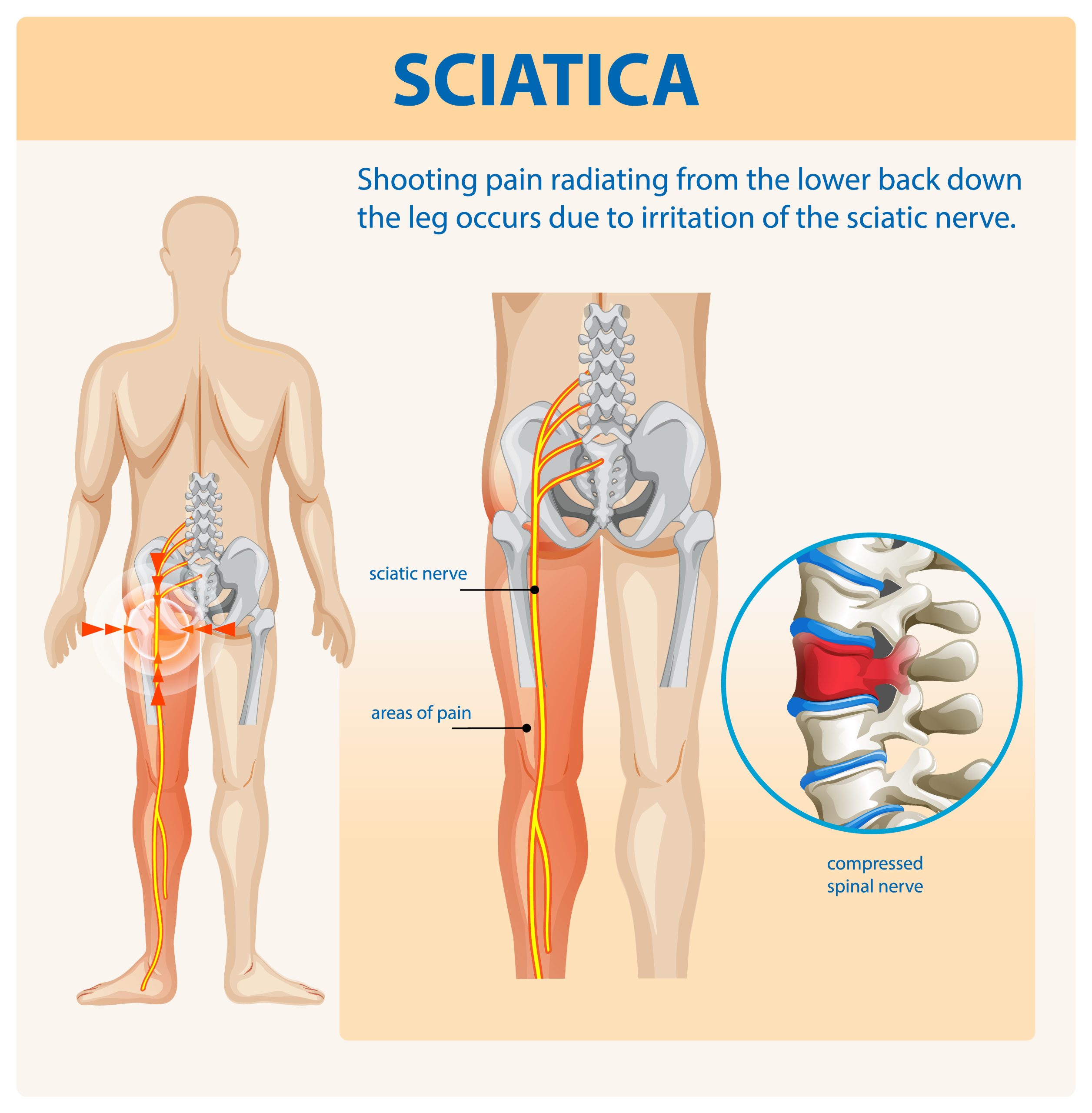
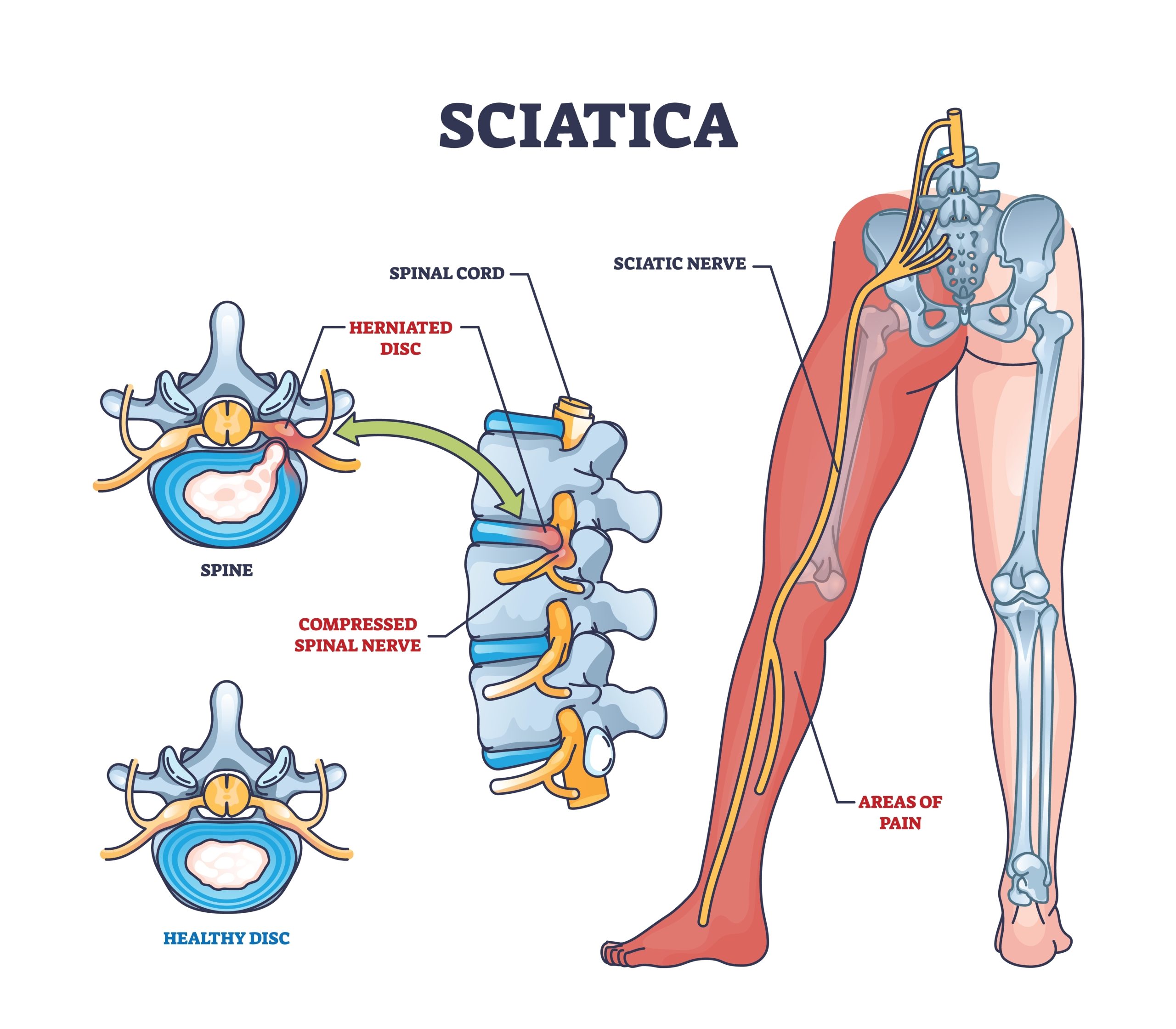
Sciatica is the sharp, burning, or shooting pain that travels along the path of the sciatic nerve — the longest and thickest nerve in the human body. It begins in the lower back, runs through the hips and buttocks, and branches down the back of each leg to the foot. When this nerve gets compressed, irritated, or inflamed, the result is often more than just backache: it's a radiating, electric-shock-like pain that can make sitting, standing, bending, or even sleeping difficult.
Sciatica itself is not a disease — it is a set of symptoms pointing to an underlying issue, most commonly a disc prolapse, spinal narrowing, or nerve-root irritation. Left unmanaged, it tends to worsen with prolonged sitting, poor posture, cold weather, and stress — all of which happen to be classic triggers described in Ayurveda thousands of years before modern spine imaging existed.
If you've been searching for a dependable ayurvedic treatment for sciatica nerve pain in Pune, this guide walks you through exactly how Ayurveda understands, diagnoses, and treats this condition — and what you can realistically expect from a structured course of care at Ayusanjivani Ayurveda Centre.
Sciatica in Ayurveda: Understanding Gridhrasi
In classical Ayurvedic texts, sciatica is described as Gridhrasi — a name derived from "Gridhra" (vulture), because the altered, limping gait of a person with severe sciatic pain was said to resemble the walk of a vulture. Gridhrasi is classified as a Vata Vyadhi, a disorder rooted in the aggravation of Vata dosha, the bio-energy responsible for all movement, nerve conduction, and transmission of sensation in the body. In long-standing or severe cases, Kapha dosha may also get involved, adding stiffness and heaviness to the pain.
According to Ayurveda, Vata governs the Asthi (bone) and Majja (nerve and marrow) dhatus (tissues). When Vata becomes vitiated — through irregular routines, excess cold or dry food, prolonged sitting, stress, or physical strain — it accumulates in the lower back and hip region (Kati-Sphik-Pradesh), obstructing the srotas (micro-channels) that nourish the nerve. This obstruction, combined with tissue dryness, produces the classic radiating, shooting pain of sciatica.
The Ayurvedic View, In Simple Terms
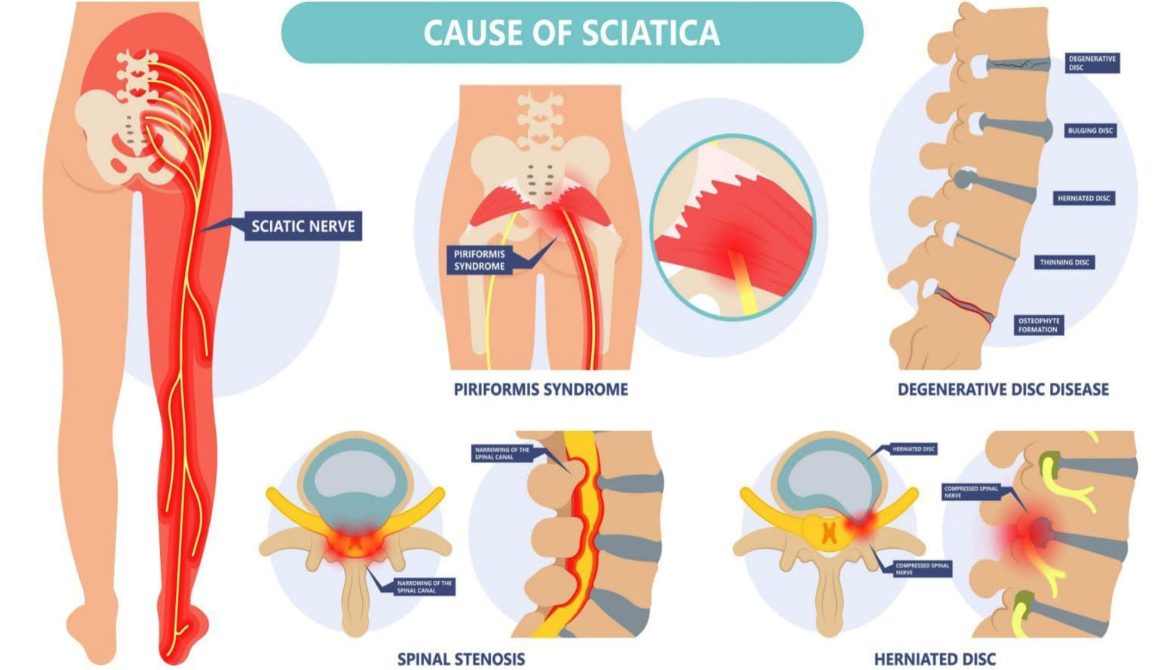
Modern medicine explains sciatica through mechanical nerve compression — a slipped disc, bone spur, or spinal stenosis pressing on a nerve root. Ayurveda arrives at a similar root understanding through the lens of Vata: dryness, blockage, and lack of nourishment to the nerve tissue. Because both systems agree on the underlying mechanism — compression, inflammation, and tissue degeneration — Ayurvedic therapies are specifically designed to lubricate, de-compress, strengthen, and calm the aggravated Vata around the sciatic nerve, rather than simply masking the pain.
Common Causes of Sciatic Nerve Pain
Understanding what triggers sciatica is the first step toward lasting relief. The most common causes we see at our Pune clinics include:
- Herniated or bulging lumbar disc: The single most common cause — when the soft cushion between vertebrae presses on a nearby nerve root. Read our detailed guide on Ayurvedic treatment for disc prolapse.
- Lumbar spinal stenosis: A narrowing of the spinal canal in the lower back that compresses nerve roots, common with age-related degeneration.
- Spondylolisthesis and spondylitis: When one vertebra slips over another or the vertebrae undergo chronic inflammatory change — explained further in our piece on cervical and lumbar spondylitis.
- Piriformis syndrome: Tightness or spasm of the piriformis muscle in the buttock irritating the sciatic nerve that runs beneath (or through) it.
- Prolonged sitting and sedentary work: Especially relevant for Pune's growing IT and desk-job population, where 8–10 hour sitting stretches aggravate Vata in the lower back.
- Obesity and weak core muscles: Extra load on the lumbar spine accelerates disc wear and nerve compression.
- Pregnancy: Postural shifts and pelvic pressure can irritate the sciatic nerve, especially in the third trimester.
- Trauma or injury: A fall, accident, or sudden heavy lift can directly injure the nerve root or surrounding disc.
Many of these mechanical causes overlap with other joint and spine conditions we regularly treat, including lumbar spondylitis and general joint disorders, which is why an accurate diagnosis before starting therapy is essential.
Symptoms You Shouldn't Ignore
Sciatica pain varies widely from person to person — from a mild, occasional ache to constant, debilitating pain. Watch for:
- Sharp, shooting, or burning pain radiating from the lower back through the buttock and down one leg
- Tingling, numbness, or a "pins and needles" sensation in the leg, calf, or foot
- Pain that worsens on sitting, coughing, sneezing, or standing for long periods
- Weakness in the affected leg or difficulty lifting the foot (foot drop in severe cases)
- Stiffness in the lower back with restricted forward bending
- A characteristic tilted, limping gait during acute flare-ups (the "Gridhrasi gait")
If pain is accompanied by loss of bladder or bowel control, or progressive weakness in both legs, seek emergency medical evaluation immediately — this can indicate a rare but serious condition called cauda equina syndrome that requires urgent care beyond Ayurvedic management.
How We Diagnose Sciatica at Ayusanjivani
Before starting any therapy, our approach combines classical Ayurvedic assessment with basic clinical evaluation:
- Nidan Parikshan (case history): Detailed history of onset, aggravating factors, occupation, and daily routine.
- Straight Leg Raise (SLR) and reflex tests: To confirm nerve root involvement and rule out other causes.
- Prakriti-Vikriti assessment: Identifying your natural constitution and the current dosha imbalance driving the pain.
- Review of imaging (MRI/X-ray): Where available, we review existing reports to understand disc or vertebral involvement — similar to how we evaluate cases of arthritis diagnosis before finalising a joint-pain protocol.
This combined approach ensures the therapy plan isn't generic — it's built around the specific structural cause and your individual dosha imbalance.
Why Choose Ayurveda Over Surgery First?
Most sciatica cases — even those linked to a disc bulge — improve with conservative, non-surgical management. Surgery is generally reserved for the small percentage of patients with progressive weakness, cauda equina red flags, or pain that fails to respond after a genuine, structured course of conservative treatment. This is exactly where Ayurveda plays its strongest role:
- It addresses the root cause (Vata aggravation, tissue dryness, and nerve compression) rather than only numbing pain signals
- Panchakarma therapies actively reduce local inflammation and improve circulation around the compressed nerve root
- There is no dependency risk associated with long-term painkiller or muscle-relaxant use
- Combined with targeted yoga and lifestyle correction, results tend to be more durable, reducing recurrence
- It can be safely combined with physiotherapy or used post-surgically for residual pain and recovery support
This is the same philosophy we apply across our joint and spine care — including knee arthritis treatment without surgery — treat the root, not just the symptom.
Ayurvedic Therapies & Panchakarma for Sciatica
Treatment for Gridhrasi is rarely a single therapy — it's a structured combination of internal medicines, external oleation therapies, and Panchakarma procedures, sequenced according to the severity and chronicity of your condition. The most commonly used therapies include:
Kati Basti
Warm medicated oil is retained in a dam built over the lower back for a fixed duration. This deeply nourishes the lumbar spine, relaxes muscle spasm, and reduces stiffness around the nerve root — one of the most effective single therapies for lower-back-origin sciatica.
Abhyanga & Swedana
Full-body or localised medicated oil massage followed by herbal steam fomentation improves circulation, softens tissue dryness, and pacifies aggravated Vata along the entire nerve pathway.
Patra Pinda Sweda (Navarakizhi)
Heated herbal-leaf boluses are used to massage the lower back and leg, reducing inflammation and improving flexibility. See our detailed procedure notes on Navarakizhi (Shastik Shali Pinda Swedan).
Basti (Medicated Enema)
Considered the single best therapy for Vata disorders in classical Ayurveda. Herbal-oil and decoction enemas are administered in a specific sequence to cleanse and pacify Vata at its root site in the colon. Learn more about Basti therapy at Ayusanjivani.
Elakizhi / Dhanyamla Dhara
Fermented herbal liquid or bolus therapies applied over the lower back and leg to reduce swelling, stiffness, and localised nerve irritation.
Agnikarma (select cases)
A precise thermal therapeutic technique occasionally used for chronic, localised pain points that haven't responded adequately to oil-based therapies, applied only after careful clinical evaluation.
These same Basti and Sweda-based protocols are also central to how we manage related spinal conditions such as slip disc without surgery, since the underlying Vata-driven mechanism is closely related.
Herbal Medicines Used in Gridhrasi Chikitsa
Alongside external therapies, internal herbal formulations play a key role in pacifying Vata, reducing nerve inflammation, and strengthening the Majja Dhatu (nerve tissue). Commonly used herbs and formulations include:
- Nirgundi (Vitex negundo): A potent anti-inflammatory and analgesic herb widely used for nerve and joint pain
- Rasna (Pluchea lanceolata): Traditionally used to relieve Vata-type pain, stiffness, and swelling
- Bala (Sida cordifolia) and Ashwagandha: Nervine tonics that strengthen tissue and support nerve repair
- Punarnava (Boerhavia diffusa): Helps reduce inflammation and fluid retention around compressed structures
- Eranda (Castor oil / Ricinus communis): A classical Vata-pacifying agent, often used in Basti preparations
- Dashmoolarishta and Yograj Guggulu: Classical compound formulations frequently prescribed for Vata-Vyadhi and joint-nerve disorders
- Mahanarayan Taila and Dhanwantharam Tailam: Medicated oils used externally for Abhyanga and Kati Basti to nourish and lubricate the affected region
Note: Herbal formulations should always be prescribed after a proper consultation. Self-medicating for nerve pain, especially with unverified over-the-counter products, can mask a progressing structural problem.
Ayurvedic Diet for Sciatica
Since Gridhrasi is fundamentally a Vata disorder, diet plays a direct role in either aggravating or pacifying your symptoms.
Foods That Help
- Warm, freshly cooked, and lightly oiled meals over cold, raw, or leftover food
- Whole grains such as wheat and rice, moong dal, and seasonal cooked vegetables
- Adequate healthy fats — ghee and sesame oil — to counter Vata's inherent dryness
- Warm milk with a pinch of turmeric or dry ginger at bedtime
- Warm water or herbal teas through the day instead of chilled beverages
Foods & Habits to Avoid
- Cold, refrigerated, and carbonated drinks
- Excess raw salads, dry snacks (chips, crackers), and stale or reheated food
- Heavy consumption of caffeine and processed sugar
- Skipping meals or eating at irregular times
- Prolonged fasting, which further aggravates Vata
Yoga & Exercises for Sciatic Nerve Relief
Gentle, guided movement is essential to prevent stiffness and support nerve gliding, but must be introduced carefully and only once acute inflammation has settled. Commonly recommended practices include:
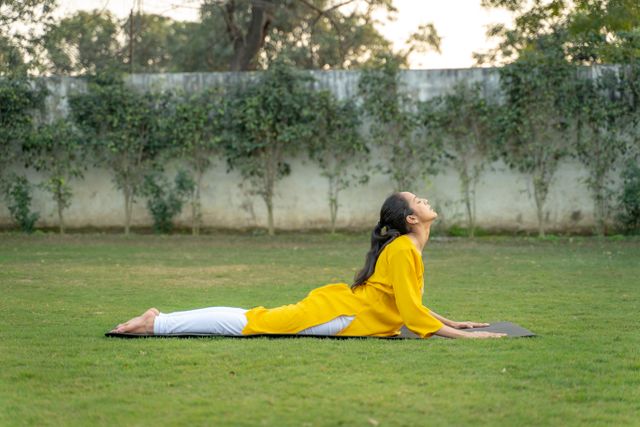
- Bhujangasana (Cobra Pose): Strengthens the lower back and improves spinal extension
- Pawanmuktasana (Wind-Relieving Pose): Gently mobilises the lower back and hip
- Setu Bandhasana (Bridge Pose): Builds glute and lower-back strength to support the spine
- Supta Padangusthasana (Reclining Hand-to-Big-Toe Pose): A controlled hamstring and sciatic-nerve stretch
- Nadi Shodhana Pranayama: Calms the nervous system and reduces Vata-driven pain perception
Avoid deep forward bends, heavy weight training, high-impact running, or twisting postures during an active flare-up. A therapist-guided routine, adjusted to your specific disc or nerve involvement, gives far safer and faster results than generic online exercise videos.
Lifestyle Modifications That Support Recovery
- Avoid sitting continuously for more than 45–60 minutes — stand, stretch, or walk briefly between long desk hours
- Use a firm mattress and supportive seating with proper lumbar support
- Maintain correct posture while lifting — bend at the knees, not the waist
- Keep the lower back warm, especially during monsoon and winter months in Pune
- Manage body weight to reduce mechanical load on the lumbar spine
- Practice stress-reduction techniques, since chronic stress directly aggravates Vata
Treatment Timeline: What to Expect
Every case of Gridhrasi is different, but as a general guide:
- Acute/mild cases: Noticeable pain relief is often reported within 7–14 days of starting Basti and Sweda-based therapy alongside internal medicines
- Moderate, disc-related cases: A structured course of 3–4 weeks, often including Panchakarma, is typically recommended for meaningful and lasting improvement
- Chronic or recurrent cases: May require 2–3 months of phased treatment, combined with yoga and strict lifestyle correction, to reduce recurrence long-term
Your exact protocol and expected timeline will be discussed clearly during your first consultation, based on your MRI findings (if available), pain severity, and constitution.
Sciatica Treatment in Kharadi & Wagholi, Pune
Ayusanjivani Ayurveda Centre, led by Dr. Shailesh Shamkant Phalle (BAMS, M.D. Kayachikitsa), offers a dedicated ayurvedic treatment for sciatica in Pune across two accessible clinic locations, so patients from both the eastern IT corridor and surrounding areas can access consistent, follow-up-based Panchakarma care.
📍 Ayusanjivani — Kharadi
Our primary centre offering full Panchakarma facilities, Basti therapy, and consultation for Gridhrasi and related spine conditions. Learn more about our Ayurvedic clinic in Kharadi and our Panchakarma treatments in Kharadi, Pune.
Call Kharadi Clinic📍 Ayusanjivani — Wagholi
Our Wagholi clinic extends the same evidence-informed Ayurvedic protocols for sciatica, joint pain, and spine disorders to patients across Wagholi and the Nagar Road belt.
WhatsApp Wagholi ClinicBoth clinics follow the same treatment philosophy and are supervised directly by Dr. Phalle, ensuring consistent quality of care regardless of which location is more convenient for you.

Reviewed by Dr. Shailesh Shamkant Phalle
BAMS, M.D. (Kayachikitsa) — Ayurvedic Physician & Panchakarma Specialist, Ayusanjivani Ayurveda Centre, Kharadi & Wagholi, Pune.
Frequently Asked Questions
Ayurvedic treatment can bring significant, often complete relief in most sciatica cases caused by muscular spasm, mild-to-moderate disc bulge, or Vata aggravation, especially when treated early. In cases with significant structural compression, Ayurveda can still greatly reduce pain, improve mobility, and in many cases help patients avoid or delay surgery, though results vary by individual case.
Certain therapies like Basti and gentle Abhyanga can be used even in acute phases when administered by a trained physician, while more vigorous procedures are introduced only once the intense pain phase settles. This is exactly why a proper clinical assessment before starting therapy matters.
Many patients notice initial relief within 1–2 weeks of starting therapy. A complete, lasting resolution for moderate to chronic cases typically requires a structured 3–8 week protocol, depending on severity and consistency of follow-up.
Yes. Ayurvedic therapy is commonly combined with physiotherapy, and many patients gradually reduce painkiller dependence as inflammation and spasm settle. Any change to existing medication should be discussed with both your treating doctors.
No. Kati Basti is a localised external oil-retention therapy over the lower back, while Basti refers to the classical Panchakarma medicated-enema procedure. Both are frequently used together in a Gridhrasi treatment protocol for complementary effects.
Surgery becomes necessary if there is progressive muscle weakness, loss of bladder/bowel control, or no meaningful improvement after a genuine, supervised course of conservative treatment. These red-flag symptoms should always be evaluated urgently.
Yes, Ayusanjivani Ayurveda Centre offers the same Gridhrasi treatment protocols, under Dr. Shailesh Phalle's supervision, at both our Kharadi and Wagholi clinics in Pune. Call +91 84323 29371 or message us on WhatsApp to book a consultation at your preferred location.