
Lep Therapy (Lepan) Ayurvedic Treatment in Pune – Herbal Paste Therapy for Skin & Joint Disorders
At Dr. Phalle's Ayusanjivani Ayurveda Centre, we offer Lep Therapy (Lepan/Lepa) — a classical Ayurvedic external therapy that applies medicated herbal pastes directly to the skin or joints, helping manage psoriasis, eczema, acne, pigmentation, arthritis, gout, and swelling naturally.
Ayurvedic External Therapy
What is Lep Therapy (Lepan) in Ayurveda?
Lep Therapy, also called Lepan or Lepa, is a classical Ayurvedic external treatment (Bahirparimarjana Chikitsa) in which a medicated herbal paste is applied directly onto the skin, a wound, or an affected joint. The paste — the Lepa — is prepared by grinding herbal powders, roots, or minerals with a liquid medium such as water, herbal oil, milk, rice-wash water, or a medicinal decoction, chosen specifically to suit the patient's dosha imbalance and condition.
Lep Therapy is one of the oldest documented forms of topical Ayurvedic medicine. The classical text Sharangdhara Samhita describes as many as 94 types of Lepa, including 26 formulations specifically for skin disorders, while Sushruta Samhita classifies Lepa into three functional varieties based on thickness and temperature. The therapy works by allowing the active herbal constituents to penetrate through the hair follicles (Romakupa), sweat channels (Swedavahi Srotas), and superficial blood vessels (Siramukha) of the skin, delivering a concentrated, localised therapeutic effect exactly where it is needed.
If you are searching for Ayurvedic Lep Therapy in Pune or an experienced Ayurvedic doctor in Wagholi or Kharadi for skin conditions like psoriasis and eczema, or joint conditions like knee pain and gout, our team at Dr. Phalle's Ayusanjivani Ayurveda Centre offers personalised Lepan therapy using authentic herbal formulations under clinical hygiene standards.
Book a Lep Therapy Consultation →
Why Choose Us
Why Choose Ayusanjivani for Lep Therapy in Pune?
Whether you're looking for an Ayurvedic clinic in Wagholi or an Ayurvedic doctor in Kharadi, we provide authentic Lepa Kalpana therapy using traditional protocols, condition-specific herbal formulations, and strict clinical hygiene.
Condition-Specific Formulations
Every Lepa at our Panchakarma centre in Pune is custom-prepared based on your specific skin or joint condition and dosha imbalance — not a one-size-fits-all paste.
Classical Diagnostic Approach
Our doctors assess whether your condition needs a Pitta-cooling Pralepa, a Vata-Kapha warming Pradeha, or a balanced Alepa before selecting your herbal combination.
Wagholi & Kharadi Locations
With clinics in Wagholi and Kharadi, Dr. Phalle's Ayusanjivani Ayurveda Centre makes authentic Lep Therapy easily accessible across East Pune.
🌿 Consult an Ayurvedic Skin & Joint Specialist in Pune Today
Get a personalised Lep Therapy plan from Dr. Phalle's experienced Panchakarma specialists.
Types of Lep Therapy
Lep Therapy & Its Classical & Clinical Types
Ayurveda classifies Lepa in several ways — by thickness and temperature (Sushruta Samhita), and by therapeutic purpose (clinical application). Our doctors select the right type based on your specific skin or joint condition.
Pralepa
Applied cold in a thin layer, Pralepa is left to dry naturally or is removed before it fully dries. It is specifically indicated for conditions of aggravated Pitta and Rakta (blood) dosha — such as burning sensations, redness, and inflammatory skin conditions — where cooling is the priority.
Pradeha
Applied as a thick paste, either warm or cold depending on the dosha, Pradeha is allowed to remain on the skin even after drying to exert sustained pressure. It pacifies Vata and Kapha dosha and is the preferred choice for swelling (Shopha), pain (Vedana), and joint stiffness.
Alepa
Neither as thin as Pralepa nor as thick as Pradeha, Alepa is a balanced, medium-consistency application, primarily used for Raktapitta prasadana — calming and clarifying conditions related to blood and Pitta dosha, including pigmentation and discoloration.
Vishaghna Lepa
A detoxifying application traditionally used to neutralise localised toxicity, insect bites, and certain inflammatory skin reactions, using herbs known for their Vishaghna (anti-toxic) properties.
Vranashodhana Lepa
A wound-cleansing paste applied to chronic ulcers, non-healing wounds, or infected skin lesions to clear out debris (Dushta Vrana) and prepare the tissue bed for healthy healing.
Vranaropana Lepa
Applied after Vranashodhana, this healing-promoting paste encourages tissue regeneration, faster closure, and scar-minimised recovery of wounds, cuts, and post-surgical sites.
Shopahara (Anti-Swelling) Lepa
A specific paste formulated to reduce Shopha (localised swelling) around joints and soft tissue, commonly used in arthritis, gout, and post-injury inflammation. Often paired with knee pain care at our centre.
Varnya Lepa (Mukha Lepa)
Applied to the face and visible skin, Varnya Lepa (also called Mukhalepam) brightens complexion, evens out pigmentation, and treats acne, blemishes, and early signs of ageing using skin-nourishing herbs like Manjistha, Haridra, and Chandan.
Kandughna Lepa
A soothing anti-pruritic paste that relieves persistent itching (Kandu) associated with allergic skin reactions, hives, fungal infections, and eczema flare-ups.
Lep Therapy is also applied regionally with special names depending on the body part treated: Sarvanga Lepa (full-body application for generalised dryness or inflammation), Kati/Janu Vasti with Lepam (paste retained in a dough-dam over the lower back or knee for deeper joint penetration — similar in principle to our Janu Basti therapy), and Mukha Lepa (facial application). Our doctors at Dr. Phalle's Ayusanjivani Ayurveda Centre determine the right type, thickness, and herbal combination for your specific condition.
The Ayurvedic Perspective
How Ayurveda Understands Skin & Joint Disorders
Dosha-Based Logic of Lep Therapy
Ayurveda views skin and joint disorders as the visible expression of an underlying dosha imbalance, most often involving Pitta (heat, inflammation, redness), Kapha (swelling, heaviness, stickiness), or Vata (dryness, stiffness, pain). Skin conditions such as psoriasis, eczema, and acne are frequently understood as manifestations of Kushtha — a broad classical category of skin disease rooted in vitiated Pitta and Rakta (blood) dosha combined with accumulated Ama (toxins).
Joint conditions like arthritis and gout, on the other hand, often involve Vatarakta or Sandhivata — a combination of aggravated Vata dosha and vitiated blood settling in the joints, causing pain, stiffness, and swelling. This is why the same therapy — Lep Therapy — can treat such different-looking conditions: the paste is chosen and formulated specifically to correct the dosha imbalance driving each condition.
Acharya Sushruta's guidance on Sneha Dravya (oil content) in Lepa formulation reflects this precision: Vata disorders require roughly a quarter part of oil in the paste, Pitta disorders a sixth, and Kapha disorders only an eighth — a level of formulation detail our doctors follow when preparing your Lepa.
The Procedure
How Lep Therapy is Performed
A gentle, structured process performed under expert supervision — here's what to expect during a Lep Therapy session at Dr. Phalle's Ayusanjivani Ayurveda Centre.
Our Ayurvedic doctor evaluates your skin or joint condition, dosha imbalance, and general health to determine the right Lepa type and herbal combination for you.
The prescribed herbs are freshly ground with the appropriate liquid medium — oil, milk, water, or decoction — to the correct consistency for your condition.
The affected area is gently cleansed and, where indicated, lightly oiled to help the active herbal compounds penetrate more effectively.
The paste is applied against the direction of body hair growth (Pratiloma), as classical texts describe this as facilitating quicker absorption through the hair follicles and skin channels.
The Lepa is left in place for a specific duration — typically 30 to 60 minutes — determined by whether it is a Pralepa, Pradeha, or Alepa application.
The paste is removed with lukewarm water or a prescribed herbal wash, and the area is gently cleaned without vigorous rubbing.
Our doctors provide specific instructions on diet, sun exposure, and follow-up sessions to help you sustain and build on the results of the therapy.
Conditions Treated
Lep Therapy is Specifically Indicated For
Lep Therapy is recommended for the following skin and joint conditions, as assessed by our Ayurvedic doctors at Dr. Phalle's Ayusanjivani Ayurveda Centre in Pune.
Chronic scaly plaques managed with targeted Shodhana and cooling Lepa applications.
Itching, redness, and inflammation soothed with Kandughna and Pitta-pacifying pastes.
Purifying Varnya Lepa formulations to clear breakouts and even out skin tone.
Brightening Alepa applications to reduce dark patches and uneven complexion.
Warm Pradeha applications to reduce swelling, stiffness, and Vata-driven joint pain.
Anti-inflammatory pastes to ease acute gouty inflammation and joint tenderness.
Vranashodhana and Vranaropana Lepa to cleanse and accelerate tissue healing.
Antimicrobial herbal pastes to manage stubborn fungal skin conditions.
Looking for Ayurvedic skin or joint treatment in Pune? Dr. Phalle's Ayusanjivani Ayurveda Centre offers expert Lep Therapy tailored to your specific condition, including for vitiligo, rheumatoid arthritis, and uric acid-related joint pain. Our Ayurvedic doctors in Wagholi & Kharadi will assess your dosha imbalance and recommend the right Lepa type for safe, lasting results.
🏥 Ready for Authentic Lep Therapy?
Speak to our expert Ayurvedic doctors at Dr. Phalle's Ayusanjivani — Wagholi & Kharadi.
Our Panchakarma Centre in Pune
Benefits of Lep Therapy at Our Panchakarma Centre in Pune
Experience the full spectrum of Lep Therapy benefits under expert Ayurvedic care at Dr. Phalle's Ayusanjivani Ayurveda Centre — Wagholi & Kharadi.
Diet & Lifestyle
Ayurvedic Diet & Lifestyle Guidance for Skin & Joint Health
Since most skin and joint disorders stem from an underlying dosha imbalance, daily habits play a major role in supporting and sustaining the results of Lep Therapy.
✅ What Helps
🚫 What to Avoid
Since skin and joint disorders often need deeper correction beyond the surface, our doctors frequently pair Lep Therapy with complementary treatments such as Virechana to cleanse excess Pitta from within, Basti for chronic Vata-driven joint pain, or Raktamokshana for deeply seated inflammatory skin conditions — all part of a personalised Panchakarma protocol built around your specific condition.
Safety First
Who Should Be Cautious with Lep Therapy?
Lep Therapy is a gentle, non-invasive therapy, but as with any medical procedure, it should always be performed after proper evaluation by a qualified Ayurvedic physician.
⚠️ Important Precautions
Related Topics
More on Lep Therapy, Skin & Joint Care
Go deeper into the conditions Lep Therapy addresses, and what to expect from Panchakarma at our centre.
Skin ConditionsCommon Questions
Frequently Asked Questions About Lep Therapy
Have questions about Lep Therapy at our Ayurvedic clinic in Pune? Clear answers from our Panchakarma specialists at Dr. Phalle's Ayusanjivani.
Meet Your Doctor
Expert Ayurvedic Care, Led by Dr. Shailesh Phalle
Every Lep Therapy treatment plan at Ayusanjivani is personally assessed and supervised by our founding Ayurvedic physician.
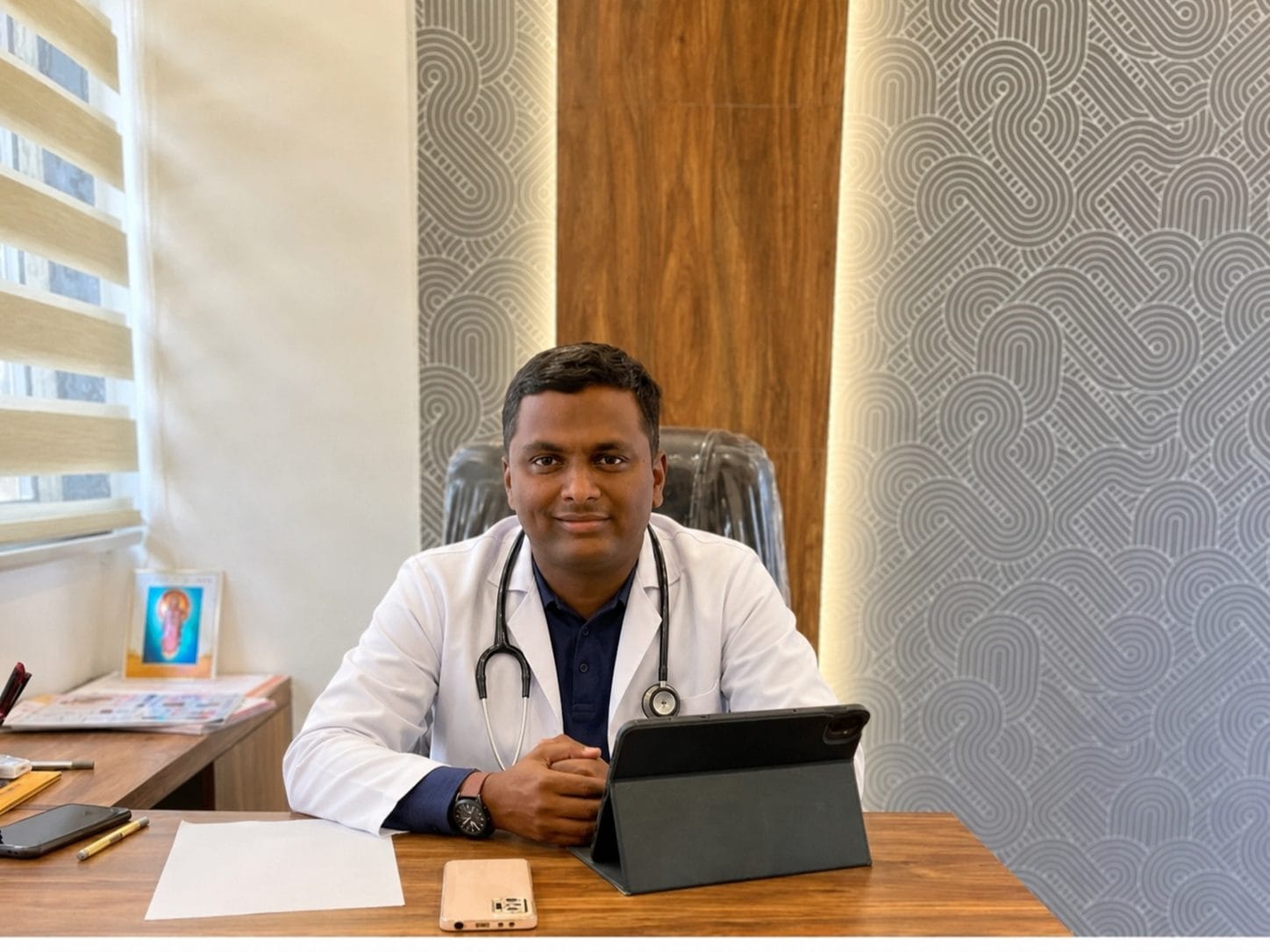
Dr. Shailesh Phalle is the founder of Ayusanjivani Ayurveda Centre and an Ayurvedic MD with over 18 years of clinical experience across Panchakarma, dermatological care, and chronic joint disease management. He has personally supervised thousands of external therapy and Panchakarma sessions, combining classical Ayurvedic diagnosis with a modern, hygiene-first clinical approach. His treatment philosophy centres on identifying the precise dosha imbalance behind each patient's skin or joint condition and building a plan around genuine root-cause correction rather than temporary relief. He personally oversees complex cases across the Wagholi and Kharadi clinics.
Book Your Lep Therapy Consultation at Ayusanjivani Ayurveda Centre
Consult with Dr. Phalle's expert Ayurvedic practitioners today. We provide authentic Lep Therapy and complete Lepa Kalpana treatment in Wagholi and Kharadi, tailored to your individual skin and joint health needs.