
Agnikarma Treatment in Pune – Ayurvedic Thermal Cautery for Chronic Pain Relief
At Dr. Phalle's Ayusanjivani Ayurveda Centre, we offer Agnikarma — a classical para-surgical fire therapy described by Acharya Sushruta for sciatica, spondylosis, frozen shoulder, knee osteoarthritis, and stubborn Vata-Kapha pain conditions that don't respond to medicines alone.
Ayurvedic Fire Therapy
What is Agnikarma Treatment?
Agnikarma is a classical Ayurvedic para-surgical procedure in which controlled therapeutic heat is applied to precise points on the body using a specially prepared, heated instrument. The word breaks down into "Agni" (fire) and "Karma" (procedure) — together meaning a treatment performed using the therapeutic energy of controlled heat. Documented in extraordinary detail by Acharya Sushruta in the Sushruta Samhita over 2,500 years ago, Agnikarma occupies its own dedicated chapter, the Agnikarma Vidhi Adhyaya, and is described as the supreme (Sarvashreshtha) among all para-surgical procedures for the management of Vata and Kapha disorders.
Unlike internal medicines that work gradually, or invasive surgery that requires prolonged recovery, Agnikarma delivers targeted micro-cauterization directly to the affected site — stimulating local circulation, breaking the cycle of chronic pain, and, according to classical texts, offering relief that rarely recurs once the underlying condition is fully addressed. It is especially valued for musculoskeletal conditions such as sciatica, spondylosis, and osteoarthritis that have become resistant to standard medication.
If you are searching for Ayurvedic Agnikarma treatment in Pune or an experienced Ayurvedic doctor in Wagholi or Kharadi, our team at Dr. Phalle's Ayusanjivani Ayurveda Centre performs Agnikarma using sterilized instruments, precise classical technique, and full pre- and post-procedure care under strict clinical hygiene standards.
Book an Agnikarma Consultation →
Why Choose Us
Why Choose Ayusanjivani for Agnikarma in Pune?
Whether you're looking for an Ayurvedic clinic in Wagholi or an Ayurvedic doctor in Kharadi, our team performs Agnikarma with classical precision, sterile instruments, and complete safety protocols.
Trained Shalya Tantra Expertise
Agnikarma at our Panchakarma centre in Pune is performed only by practitioners trained in classical Shalya Tantra technique, since incorrect application can cause complications — precision and training matter.
Sterile, Controlled Procedure
Every instrument is sterilized, every application point is marked precisely, and heat intensity is carefully controlled to achieve Samyak Dagdha — the ideal, correctly-calibrated burn — for safe, effective results.
Wagholi & Kharadi Locations
With clinics in Wagholi and Kharadi, Dr. Phalle's Ayusanjivani Ayurveda Centre makes authentic Agnikarma therapy easily accessible across East Pune.
🔥 Consult an Ayurvedic Pain Specialist in Pune Today
Get a personalised Agnikarma therapy plan from Dr. Phalle's experienced Panchakarma specialists.
Types of Agnikarma
Agnikarma & Its 7 Classical Application Patterns (Akriti)
Acharya Sushruta and Acharya Vagbhata classified Agnikarma by the shape or pattern (Akriti) in which heat is applied, chosen according to the specific disease, tissue, and site being treated. Our doctors select the right pattern for your condition.
Valaya
A circular or ring-shaped application of heat, classically used around swellings, tumours, and growths (Granthi, Arbuda) to encircle and contain the affected tissue.
Bindu
A precise, dot-like point application — the most commonly used pattern for musculoskeletal pain, used over specific trigger points, small blood vessels, and localized areas of Vata-Kapha aggravation such as joint lines and tender points.
Vilekha
A linear, stroke-like application used when the affected area or lesion runs along a greater length — commonly applied along muscle bands, ligaments, and elongated areas of chronic stiffness.
Pratisarana
A gentle rubbing or smearing-type application, generally used with milder Dahanopakarana such as medicated pastes or herbal preparations, suited to sensitive areas or delicate constitutions (Sukumara Prakriti).
Ardhachandra
A half-moon or crescent-shaped application, added by Acharya Vagbhata, used for curved anatomical sites and specific joint margins where a rounded contour of heat application is required.
Swastika
A cross- or swastika-shaped pattern applied over broader areas requiring heat distribution in multiple directions from a central point, used in select chronic Kapha-dominant conditions.
Ashtapada
An eight-spoked, star- or wheel-shaped application used for larger, more resistant lesions and growths where a wider distribution of cauterization points achieves a more thorough therapeutic effect.
Beyond shape, classical texts also classify Agnikarma by the Dahanopakarana (heating instrument) used — metallic Shalaka rods (gold, silver, copper, iron, or Panchadhatu alloy) for firm, controlled cautery; and gentler substances like medicated ghee, wax, honey, or herbal pastes (Pippali, Yashtimadhu) for sensitive individuals and delicate tissue. Our doctors at Dr. Phalle's Ayusanjivani Ayurveda Centre select both the instrument and the application pattern based on your specific condition, tissue depth, and constitution.
The Ayurvedic Perspective
How Ayurveda Understands Agnikarma's Effect
Vata-Kapha & the Logic of Fire
Most chronic pain conditions treated with Agnikarma — sciatica, spondylosis, frozen shoulder, osteoarthritis — arise from a combined imbalance of Vata dosha (governing movement and nerve conduction) and Kapha dosha (governing structure, lubrication, and heaviness). Both Vata and Kapha are cold (Sheeta), heavy (Guru), and static (Sthira) in quality. Agni, by contrast, is hot (Ushna), sharp (Teekshna), and mobile (Sara) — its qualities are the direct opposite of what is aggravated, making it a uniquely powerful corrective tool.
When controlled heat is applied precisely to the affected site, it counteracts coldness and stagnation, stimulates local Agni (digestive and metabolic fire at the tissue level), improves Rakta (blood) and Vata circulation, and breaks the cycle of stiffness and pain that keeps a Vata-Kapha disorder locked in place. This is why Agnikarma is classically reserved for conditions that other therapies have failed to fully resolve.
Sushruta himself emphasized the unique, lasting nature of this effect — a principle still quoted by Agnikarma practitioners today.
The Procedure
How Agnikarma is Performed
A precise, structured process performed under expert supervision — here's what to expect during an Agnikarma session at Dr. Phalle's Ayusanjivani Ayurveda Centre.
Our Ayurvedic doctor examines your condition, reviews any imaging or reports, and confirms that Agnikarma is appropriate — along with the exact site, instrument, and application pattern needed.
The precise treatment points are identified and marked, carefully avoiding vital points (Marma) and major blood vessels as described in classical anatomy.
The chosen Dahanopakarana — typically a metallic Shalaka — is sterilized and heated to the correct therapeutic temperature under controlled conditions.
The treatment area is cleansed, and in some cases a thin layer of ghee or medicated oil is applied to protect the surrounding skin.
The heated instrument is applied in brief, precise touches at the marked points, in the Akriti (Bindu, Vilekha, etc.) suited to your condition, until Samyak Dagdha — the correct depth of cauterization — is achieved.
Honey, ghee, or a cooling medicated paste is applied immediately to the treated points to soothe the site and support proper healing.
Our doctors provide clear wound-care instructions, dietary guidance, and a follow-up schedule to track your progress across sessions.
Conditions Treated
Agnikarma is Specifically Indicated For
Agnikarma is recommended for the following Vata-Kapha conditions, as assessed by our Ayurvedic doctors at Dr. Phalle's Ayusanjivani Ayurveda Centre in Pune.
Shooting nerve pain radiating from the lower back into the leg, classically termed Gridhrasi.
Learn more →Chronic neck and lower back stiffness from age-related spinal degeneration.
Learn more →Janu Sandhigata Vata — one of the most common indications for Agnikarma in classical practice.
Learn more →Stiff, painful shoulder with restricted movement, often resistant to standard therapy.
Learn more →Chronic inflammatory spinal stiffness benefiting from targeted heat therapy alongside Panchakarma.
Learn more →Painful, swollen joints linked to elevated uric acid, managed alongside dietary correction.
Learn more →Arsha and Bhagandara — classical indications where Agnikarma is used post-surgically to prevent recurrence.
Learn more →Persistent heel pain on standing or walking, often resolved with a short course of sessions.
Learn more →Agnikarma is also classically indicated for tennis elbow, myofascial and fibromyalgia-type pain, ganglion cysts, corns (Kadara), warts, and certain hard, non-healing growths. Our doctors at Dr. Phalle's Ayusanjivani Ayurveda Centre in Wagholi & Kharadi will assess whether Agnikarma is right for your specific condition, or whether it should be combined with other Panchakarma therapies for a complete treatment plan.
🏥 Ready for Authentic Agnikarma Therapy?
Speak to our expert Ayurvedic doctors at Dr. Phalle's Ayusanjivani — Wagholi & Kharadi.
Our Panchakarma Centre in Pune
Benefits of Agnikarma at Our Panchakarma Centre in Pune
Experience the full spectrum of Agnikarma benefits under expert Ayurvedic care at Dr. Phalle's Ayusanjivani Ayurveda Centre — Wagholi & Kharadi.
Diet & Lifestyle
Ayurvedic Diet & Aftercare Guidance for Agnikarma
Since Agnikarma treats Vata-Kapha conditions, diet and aftercare directly influence how well the treated area heals and how long the results last.
✅ What Helps
🚫 What to Avoid
For chronic joint and spine conditions, Agnikarma is often combined with complementary therapies such as a course of Basti to correct the deeper Vata imbalance, or Raktamokshana where localized inflammation needs additional support — all part of a personalised Panchakarma protocol built around your specific condition.
Safety First
Who Should Be Cautious with Agnikarma?
Agnikarma is a precise para-surgical procedure. As with any procedure involving controlled heat, it should only be performed after proper evaluation by a qualified, trained Ayurvedic physician.
⚠️ Important Precautions
Related Topics
More on Agnikarma & Ayurvedic Pain Care
Go deeper into the conditions Agnikarma helps with most, and what to expect from Panchakarma at our centre.
Common Questions
Frequently Asked Questions About Agnikarma
Have questions about Agnikarma at our Ayurvedic clinic in Pune? Clear answers from our Panchakarma specialists at Dr. Phalle's Ayusanjivani.
Meet Your Doctor
Expert Ayurvedic Care, Led by Dr. Shailesh Phalle
Every Agnikarma treatment plan at Ayusanjivani is personally assessed and supervised by our founding Ayurvedic physician.
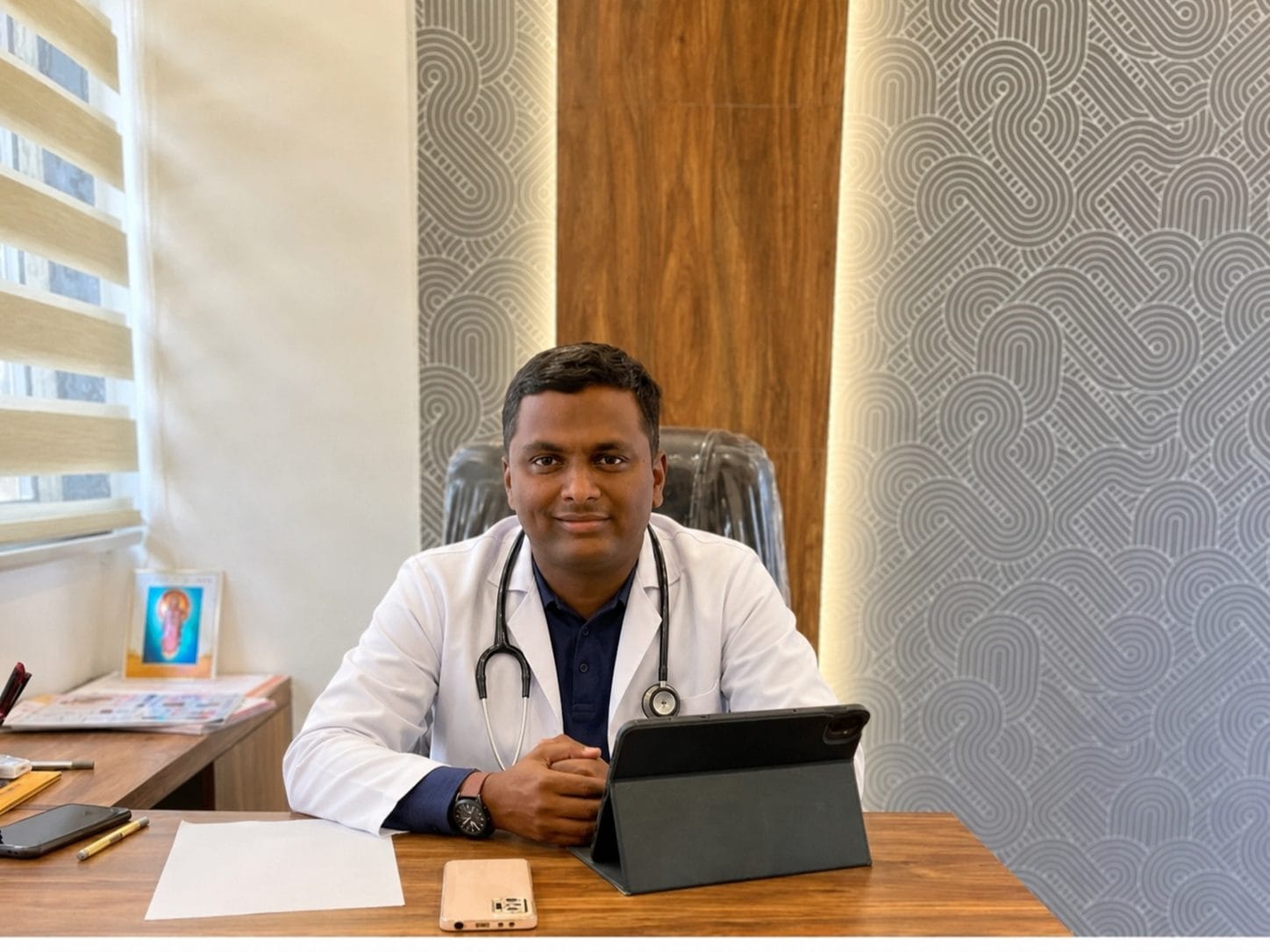
Dr. Shailesh Phalle is the founder of Ayusanjivani Ayurveda Centre and an Ayurvedic MD with over 18 years of clinical experience across Panchakarma, Shalya Tantra (para-surgical procedures including Agnikarma), and chronic musculoskeletal disease management. He has personally supervised thousands of Agnikarma and Panchakarma sessions, combining classical Ayurvedic diagnosis with a modern, hygiene-first clinical approach. His treatment philosophy centres on identifying the precise dosha imbalance behind each patient's condition — including chronic Vata-Kapha pain — and building a plan around genuine root-cause correction rather than temporary relief. He personally oversees complex cases across the Wagholi and Kharadi clinics.
Book Your Agnikarma Consultation at Ayusanjivani Ayurveda Centre
Consult with Dr. Phalle's expert Ayurvedic practitioners today. We provide authentic, classically trained Agnikarma therapy in Wagholi and Kharadi, tailored to your individual pain condition.