
Ankylosing Spondylitis Treatment – Ayurvedic Care for Spine & Joint Health
At Dr. Phalle's Ayusanjivani Ayurveda Centre, a trusted Ayurvedic clinic in Wagholi and Kharadi, Pune, we offer a personalized Ankylosing Spondylitis Ayurvedic treatment protocol combining Panchakarma therapies, herbal medicine, and lifestyle correction to relieve spinal stiffness, reduce inflammation, and restore mobility naturally.
Understanding the Condition
What is Ankylosing Spondylitis?
Ankylosing Spondylitis (AS) is a chronic inflammatory condition that primarily affects the spine, leading to pain, stiffness, and progressively reduced mobility. It belongs to a family of rheumatic diseases known as spondyloarthritis, and while it targets the spine most severely — particularly the sacroiliac joints where the spine meets the pelvis and the vertebrae of the lower back — it can also cause inflammation in other joints, tendons, ligaments, and even organs such as the eyes, gut, and skin.
Over time, ongoing inflammation at the site of ligament and tendon attachments to bone (called entheses) triggers new bone formation. In advanced, long-standing cases, this can cause adjacent vertebrae to fuse together, a process called ankylosis — the origin of the disease's name. Once fused, the spine loses flexibility and may develop a characteristic forward-stooped posture if the condition is left unmanaged for years.
AS is classified as an autoimmune or immune-mediated disease: the immune system mistakenly triggers inflammation in healthy joint tissue instead of protecting the body. It typically begins in late adolescence or early adulthood — most commonly between ages 17 and 45 — and is strongly linked to a genetic marker called HLA-B27, although not everyone who carries this gene develops the condition. If you are searching for ankylosing spondylitis treatment in Ayurveda near Wagholi or Kharadi, our doctors provide a structured, dosha-based assessment before recommending any therapy.
Book an AS Consultation →
Classification
Types of Ankylosing Spondylitis & Related Spondyloarthritis
Ankylosing Spondylitis exists on a spectrum of related conditions grouped under axial spondyloarthritis. Correctly identifying the type helps our Ayurvedic doctors in Wagholi & Kharadi design the right Panchakarma and herbal protocol for you.
Axial Spondyloarthritis
This type primarily affects the axial skeleton — the spine and sacroiliac joints. Axial Spondyloarthritis (Axial SpA) is the broader umbrella term for chronic inflammatory rheumatic diseases that target the spine and related structures. AS itself is considered the most advanced, radiographically visible form of Axial SpA.
Non-Radiographic Axial Spondyloarthritis
In this subtype, the classic symptoms of AS — inflammatory back pain, morning stiffness, and reduced spinal mobility — are present, but clear X-ray evidence of sacroiliitis has not yet developed. MRI and blood markers such as CRP and ESR are often used to confirm early inflammatory activity before structural bone changes appear.
Radiographic Axial Spondyloarthritis (AS)
Radiographic Axial Spondyloarthritis (r-AxSpA) shares many clinical features with classic Ankylosing Spondylitis. What sets it apart is the presence of visible structural changes on X-ray in the sacroiliac joints and spine — this is the stage most commonly diagnosed as "Ankylosing Spondylitis" in clinical practice.
Peripheral Spondyloarthritis
Some patients experience inflammation predominantly in peripheral joints — hips, knees, ankles, shoulders — along with enthesitis (inflammation where tendons attach to bone), rather than axial spine involvement alone. This overlaps clinically with Reactive Arthritis and Psoriatic Arthritis.
Juvenile-Onset Ankylosing Spondylitis
When AS begins before the age of 16, it is termed juvenile-onset AS. It often presents differently from adult-onset disease, with a higher likelihood of peripheral joint involvement, particularly in the hips and knees, and requires careful, age-appropriate Ayurvedic management focused on gentle Panchakarma and nourishing therapies.
Enteropathic & Undifferentiated SpA
Spondyloarthritis can also occur alongside inflammatory bowel conditions (enteropathic arthritis) or present without meeting the full criteria for any specific subtype (undifferentiated SpA). Both are evaluated alongside AS since they share the same underlying Vata-Ama pathology in Ayurveda and often respond to similar Panchakarma protocols.
🌿 Not Sure Which Type of AS You Have?
Our Ayurvedic doctors in Wagholi & Kharadi assess your dosha, symptoms & history before treatment.
Causes & Risk Factors
What Causes Ankylosing Spondylitis?
AS is considered a multifactorial disease — its development likely involves a complex interplay between genetics, the immune system, and environmental factors, which our Ayurvedic doctors evaluate through your Prakriti (constitution) and lifestyle history.
🧬 Genetic Predisposition (HLA-B27)
The majority of people with AS carry the HLA-B27 gene, though most people with this gene never develop the disease. Genetics play a significant role in susceptibility, and a family history of AS or related spondyloarthritis meaningfully raises individual risk.
🛡️ Autoimmune Dysfunction
AS is considered an autoimmune disease — the immune system mistakenly attacks the body's own joint and connective tissue, leading to chronic inflammation. In AS, this misdirected immune response specifically targets the joints of the spine, sacroiliac joints, and entheses.
🌍 Environmental Triggers
While genetics set the stage, environmental factors can trigger the onset of AS in genetically susceptible individuals. Gut infections, microbial imbalance, and other environmental stressors are believed to activate the inflammatory cascade in predisposed people.
👤 Gender & Age
AS tends to affect more men than women, with a male-to-female ratio of approximately 2:1 to 3:1. It most often manifests in early adulthood, typically between the ages of 17 and 45, though it can also occur in adolescents (juvenile-onset AS) and, less commonly, in older individuals.
🍽️ Ayurvedic View — Ama & Agnimandya
In Ayurveda, weak digestive fire (Agnimandya) leads to the formation of Ama — undigested metabolic toxins that circulate and lodge in the Asthi (bone) and Sandhi (joint) tissues, aggravating Vata dosha and setting the stage for chronic joint and spinal inflammation.
Recognising the Signs
Symptoms of Ankylosing Spondylitis
AS symptoms usually develop gradually and can range from mild discomfort to significantly disabling stiffness. Early recognition allows our Ayurvedic doctors in Wagholi & Kharadi to begin treatment before structural spinal changes progress.
Axial & Spinal Symptoms
Peripheral & Extra-Articular Symptoms
⚠️ Important: Early diagnosis can prevent significant spinal deformity and helps in controlling pain and stiffness far more effectively. If you experience inflammatory back pain lasting more than 3 months along with morning stiffness that improves with activity, consult our Ayurvedic doctors in Wagholi or Kharadi promptly for a full assessment.
The Ayurvedic Perspective
How Ayurveda Understands Ankylosing Spondylitis
In classical Ayurvedic texts, a condition matching the presentation of Ankylosing Spondylitis is understood as a Vata Vyadhi — a disorder of aggravated Vata dosha — with specific involvement of the Asthi (bone) and Sandhi (joint) Dhatus. It is frequently correlated with Asthi-Sandhigata Vata, where vitiated Vata lodges in the spinal joints, causing dryness, stiffness (stambha), pain (shoola), and restricted movement (sankocha).
The root cause, per Ayurveda, begins with weak digestive fire (Agnimandya), which fails to fully metabolize food, generating Ama — a sticky, toxic byproduct. This Ama circulates through the body and, when it combines with aggravated Vata, lodges deep in the bone and joint tissues of the spine and sacroiliac region. Over time, this Ama-Vata combination hardens tissue, restricts synovial lubrication, and drives the progressive fusion process associated with advanced AS.
Treatment therefore follows two simultaneous goals: first, Ama Pachana — digesting and eliminating toxins through diet, herbs, and detoxifying Panchakarma; and second, Vata Shamana — pacifying aggravated Vata through oleation (Snehana), sudation (Swedana), medicated enemas (Basti), and nourishing therapies that lubricate and strengthen the Asthi and Sandhi Dhatus. This root-cause approach is what our Ayurvedic doctors in Wagholi & Kharadi apply for every AS patient.
Get Your Dosha Assessed →
🏥 Ready to Begin Root-Cause Ayurvedic Treatment?
Speak to Dr. Phalle's expert Ayurvedic team — Wagholi & Kharadi, Pune.
Ayurvedic & Panchakarma Treatments
Every Ayurvedic Treatment We Use for Ankylosing Spondylitis
Our Ayurvedic doctors in Wagholi & Kharadi build a sequenced, individualised protocol from the following classical therapies — selected and combined based on your dosha, disease stage, and severity.
Basti (Medicated Enema)
Considered the single most important therapy for Vata disorders, Basti delivers medicated oils and herbal decoctions through the colon, directly pacifying aggravated Vata at its root (the large intestine). It forms the backbone of AS management, improving spinal flexibility and reducing deep-seated stiffness.
Learn about Basti →Virechana (Therapeutic Purgation)
Virechana is used when there is a clear need to reduce inflammatory load through the digestive route. This controlled purgation therapy clears accumulated Ama and Pitta-Vata toxins from the gut and bloodstream, easing the systemic inflammation that drives AS flare-ups.
Learn about Virechana →Kati Vasti (Lower Back Oil Pooling)
A dam of dough is built around the lower back and filled with warm medicated oil, which is retained for a set duration. Kati Vasti is especially relieving for lower back stiffness and sacroiliac joint pain, deeply nourishing the lumbar spine and reducing local Vata aggravation.
Abhyanga–Swedana (Oil Massage & Steam)
Full-body warm oil massage (Abhyanga) followed by herbal steam therapy (Swedana) loosens stiff musculature, improves circulation to the spine and joints, and prepares the body for deeper Panchakarma procedures like Basti and Virechana.
Patra Pinda Sweda (Elakizhi)
Warm herbal-leaf boluses stuffed with anti-inflammatory medicinal leaves are used to massage the spine and affected joints. This therapy strengthens muscles, relieves aching joints, increases local blood flow, and reduces stiffness and discomfort along the spine.
Shalishastika Pinda Sweda (Njavarakizhi)
A specialised bolus massage using medicinal rice (Shashtika Shali) cooked in milk and herbal decoction. It is extremely effective for strengthening weakened tissues, improving spinal flexibility, and nourishing the Asthi Dhatu (bone tissue) affected by chronic AS.
Nasya (Nasal Medication)
Herbal oils or medicated preparations are administered through the nostrils to help pacify Vata dosha at a systemic level, particularly useful for AS patients with associated neck stiffness, headaches, or cervical spine involvement alongside classic AS symptoms.
Learn about Nasya →Internal Herbal Medicines
Classical anti-inflammatory, Vata-pacifying herbs are prescribed based on your constitution — including Ashwagandha, Guggulu, Shallaki (Boswellia), Turmeric, Triphala, Punarnava, Dashamoola, and Rasna — to reduce joint inflammation, support digestion, and nourish bone tissue from within.
Pichu & Lepam (Oil Pooling & Herbal Paste)
Pichu involves a thick, cotton pad soaked in warm medicated oil applied over the affected spine or joint for deep, sustained oleation. Lepam is a topical herbal paste — such as Rasnadi Lepam — applied directly to inflamed joints to reduce swelling and localised pain.
Diet & Lifestyle
Ayurvedic Diet & Lifestyle for Ankylosing Spondylitis
In Ayurveda, diet is not a side note — it is part of the treatment itself. A Vata-pacifying, Ama-reducing diet supports every Panchakarma therapy recommended by our doctors.
✓ Recommended
Warm, freshly cooked, lightly spiced meals; ghee and healthy warming oils; whole grains like rice and wheat; cooked vegetables; ginger, turmeric, and garlic; warm milk with turmeric; adequate hydration with warm water; and a consistent daily routine (Dinacharya) with fixed meal and sleep timings to stabilise Vata.
✕ To Avoid
Cold, raw, and stale foods; excess curd and fermented foods; red meat and heavy processed foods; deep-fried and refrigerated items; irregular eating and sleeping patterns; prolonged sitting without movement; and habits that aggravate Vata such as skipping meals, excess travel, or overexertion during a flare-up.
🧘 Movement matters: Gentle, regular movement and posture-focused stretching are strongly encouraged even during treatment — complete immobility aggravates Vata further. Our doctors guide you on safe, spine-friendly yoga and stretching routines appropriate for your current stage of AS.
Why Timely Care Matters
Complications of Untreated Ankylosing Spondylitis
Left unmanaged, AS can progress well beyond back pain. Early Ayurvedic intervention at our Wagholi & Kharadi clinics aims to slow this progression and preserve mobility.
Progressive ankylosis can permanently fuse vertebrae, leading to a fixed, stooped posture and loss of spinal flexibility.
Inflammation at the rib-spine junctions can restrict chest wall movement, affecting breathing capacity over time.
Recurrent inflammation of the eye's uveal tract is common in AS and needs prompt attention to prevent vision complications.
Chronic inflammation in the hips, knees, and shoulders can cause lasting joint restriction if not addressed early.
Long-standing systemic inflammation has been associated with increased cardiovascular risk in some AS patients.
Persistent inflammation and disturbed sleep from nighttime pain often lead to ongoing fatigue and reduced quality of life.
Chronic inflammation can reduce bone density over time, increasing fracture risk — see our Osteoporosis care.
Advanced, untreated AS can significantly limit daily activities, work capacity, and overall independence.
Why Choose Us
Why Choose Our Ayurvedic Clinic in Wagholi & Kharadi for AS?
If you're searching for an Ayurvedic doctor in Wagholi or an Ayurvedic clinic in Kharadi for Ankylosing Spondylitis, our root-cause, dosha-based approach is designed for lasting relief — not just symptom masking.
Individualised Assessment
Every AS treatment plan at Dr. Phalle's Ayusanjivani begins with an in-depth evaluation of your Prakriti, dosha imbalance, disease stage, and lifestyle — not a one-size-fits-all protocol.
Authentic Panchakarma Protocols
We combine classical Panchakarma therapies — Basti, Virechana, Kati Vasti, and more — with modern hygiene standards and experienced, hands-on supervision at every step.
Wagholi & Kharadi Locations
With clinics in Wagholi and Kharadi, Dr. Phalle's Ayusanjivani Ayurveda Centre makes authentic Ayurvedic AS care easily accessible across East Pune.
Our Ayurveda Centre in Pune
Benefits of Ayurvedic Treatment for Ankylosing Spondylitis
Experience the full spectrum of relief under expert Ayurvedic care at Dr. Phalle's Ayusanjivani Ayurveda Centre — Wagholi & Kharadi.
Meet Your Ayurvedic Doctor
Expert Care from Dr. Shailesh
Every Ankylosing Spondylitis treatment plan at Ayusanjivani is personally assessed and guided by our lead Ayurvedic physician.
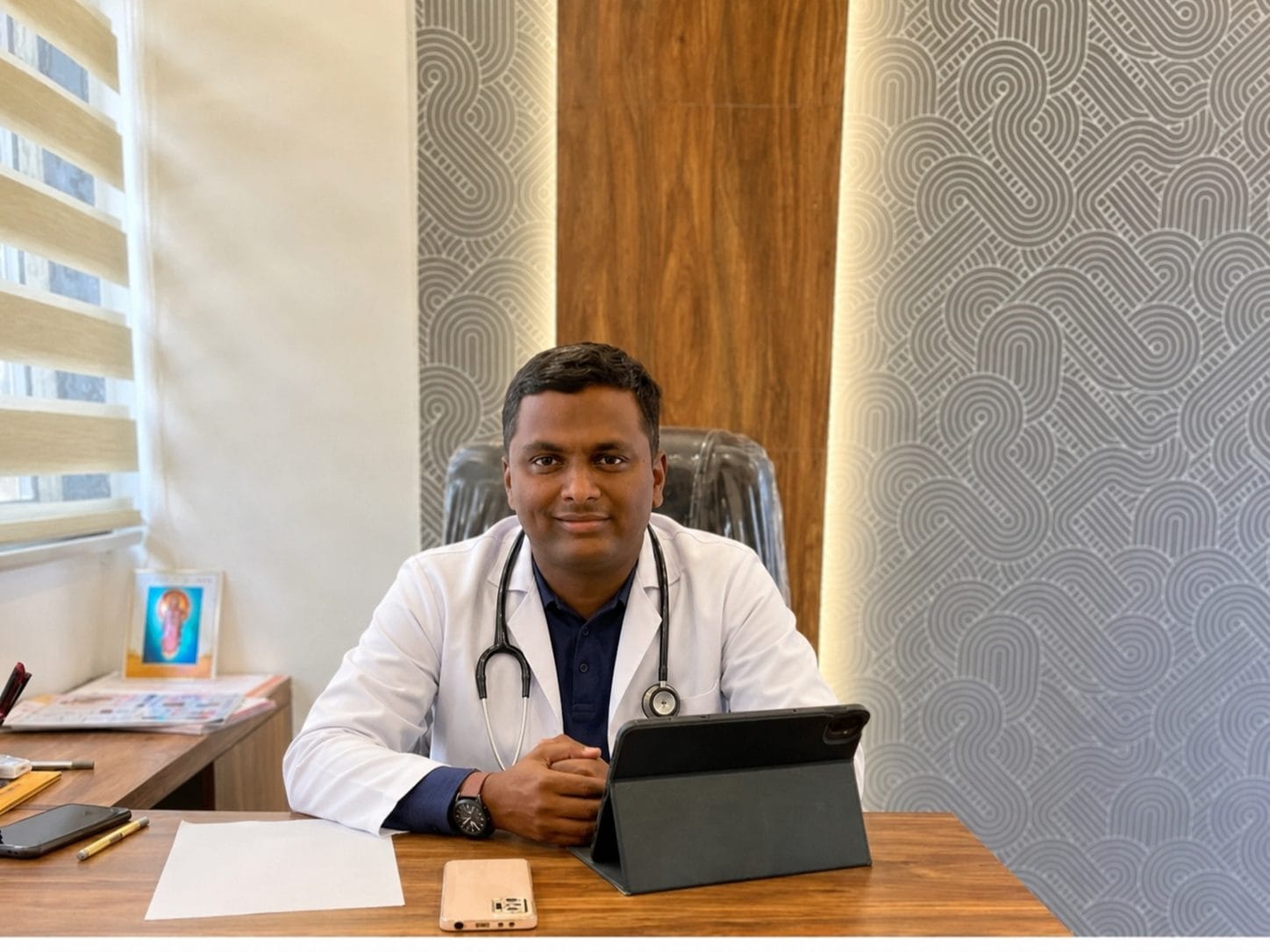
Dr. Shailesh Phalle
Founder & Lead Ayurvedic Physician, Ayusanjivani Ayurveda Centre
Dr. Shailesh Phalle is a qualified Ayurvedic physician (BAMS) specialising in Panchakarma-based management of chronic spine and joint disorders, including Ankylosing Spondylitis, Rheumatoid Arthritis, and other autoimmune conditions. With years of clinical experience treating patients across Pune, Dr. Phalle combines classical Ayurvedic diagnostics — Prakriti and dosha assessment — with structured, evidence-informed Panchakarma protocols to deliver safe, personalised, root-cause care at the Wagholi and Kharadi clinics.
Common Questions
Frequently Asked Questions About AS Ayurvedic Treatment
Have questions about Ankylosing Spondylitis treatment at our Ayurvedic clinic in Wagholi or Kharadi? Clear answers from Dr. Phalle's team.
Book Your Ankylosing Spondylitis Treatment at Our Ayurveda Centre in Pune
Consult with Dr. Shailesh Phalle's expert Ayurvedic team today. We provide authentic, root-cause Ankylosing Spondylitis treatment — Panchakarma, herbal medicine, and lifestyle guidance — at our Wagholi and Kharadi clinics.