
Irritable Bowel Syndrome (IBS) Ayurvedic Treatment in Pune – Calm Your Gut, Naturally
At Dr. Phalle's Ayusanjivani Ayurveda Centre, we treat IBS-D, IBS-C, IBS-M, and stress-triggered bowel disturbances at the root cause — weakened Agni (digestive fire) and doshic imbalance — not just the symptoms. Using classical Panchakarma therapies like Virechana, Basti, and Shirodhara alongside personalised diet correction, our Ayurvedic doctors in Wagholi and Kharadi help you regain a calm, predictable gut without long-term dependency on antispasmodics.
Understanding the Condition
What is Irritable Bowel Syndrome (IBS)?
Irritable Bowel Syndrome (IBS) is a common, chronic gastrointestinal disorder affecting the large intestine, marked by recurring abdominal pain along with a change in the frequency, form, or consistency of bowel movements. Unlike inflammatory bowel diseases, IBS does not cause visible damage to the intestinal lining, yet it can significantly disrupt daily life — meals become unpredictable, travel and social plans revolve around bathroom access, and many patients silently endure bloating, cramping, and fatigue for years before seeking proper treatment. Modern medicine diagnoses IBS using symptom-pattern criteria such as the Rome IV criteria, since there is no single definitive lab test for the condition, and its exact cause remains multifactorial — involving gut motility, gut-brain signalling, microbiome imbalance, and psychological stress.
In Ayurveda, this condition closely corresponds to Grahani Roga — a disorder of the Grahani, the functional seat of digestion located between the stomach and the small intestine that governs the timing and quality of digestion. Ayurveda attributes Grahani dysfunction to a weakened Agni (digestive fire). When Agni becomes irregular due to erratic eating habits, incompatible food combinations, cold or stale food, and chronic mental stress, undigested food (Ama) accumulates in the gut, disturbing the natural rhythm of digestion and elimination. Depending on which dosha — Vata, Pitta, or Kapha — dominates this imbalance, the presentation shifts between constipation, diarrhoea, or a fluctuating mixed pattern, which is precisely why classical Ayurveda describes distinct sub-types of Grahani rather than treating IBS as one uniform condition.
If you are searching for an experienced Ayurvedic doctor for IBS in Pune, our team at Ayusanjivani Ayurveda Centre — with clinics in Wagholi and Kharadi — offers a complete diagnostic and treatment protocol combining Panchakarma therapies, internal Ayurvedic medicines, gut-brain calming treatments, and personalised Pathya-Apathya (diet and lifestyle) guidance to restore lasting digestive balance rather than temporary symptom relief.
Book an IBS Consultation →
Why Choose Us
Why Choose Ayusanjivani for IBS Treatment in Pune?
Whether you're looking for an Ayurvedic clinic in Wagholi or an experienced Ayurvedic doctor in Kharadi, we provide a personalised, dosha-based approach to IBS — combining classical Panchakarma with modern clinical hygiene and honest diagnosis.
Root-Cause Diagnosis
Every case is assessed through Nadi Pariksha, detailed dietary history, and bowel-pattern analysis to identify the exact dosha imbalance and Agni status behind your IBS, before designing a treatment plan.
Classical Panchakarma Therapies
From Virechana and Basti to Shirodhara and Takradhara, our therapists follow authentic Ayurvedic protocols performed under strict hygiene and expert supervision — tailored to IBS-D, IBS-C, or IBS-M.
Wagholi & Kharadi Locations
With two accessible clinics in Wagholi and Kharadi, Dr. Phalle's Ayusanjivani Ayurveda Centre makes authentic IBS treatment convenient across East Pune.
🌿 Consult an Ayurvedic Doctor for IBS Today
Get a personalised Ayurvedic IBS treatment plan from Dr. Phalle's specialists in Wagholi & Kharadi.
Understanding Your Pattern
Types of IBS We Treat
IBS isn't one single condition — it shows up differently depending on the predominant bowel pattern and trigger. Identifying the exact type is the first step our Ayurvedic doctors take before recommending a therapy.
IBS-D (Diarrhoea-Predominant)
Marked by frequent loose stools, urgency, and cramping, often worse after meals or under stress. Usually correlates with a Pitta-dominant pattern with aggravated digestive heat.
IBS-C (Constipation-Predominant)
Infrequent bowel movements, straining, hard dry stools, and bloating. This pattern is closely linked to aggravated Vata dosha drying out the colon. Related: Constipation treatment.
IBS-M (Mixed Type)
Patients alternate between constipation and diarrhoea, sometimes within the same week. This unpredictable pattern reflects a fluctuating Vata-Pitta imbalance that needs a dual-dosha approach.
Mucus-Predominant / Sluggish IBS
Presents with heaviness, mucus in the stool, sluggish digestion, and a feeling of fullness even after light meals — linked to Kapha accumulation and slow Agni.
Post-Infectious IBS (PI-IBS)
Develops after a bout of food poisoning, gastroenteritis, or travel-related infection that leaves the gut lining sensitised and Agni weakened for months afterward.
Stress-Triggered / Gut-Brain IBS
Symptoms flare visibly with anxiety, poor sleep, or emotional stress, reflecting the strong Ayurvedic understanding of the gut-mind connection. Related: Anxiety Disorder treatment.
Ayurvedic Perspective
How the Three Doshas Influence IBS
Ayurveda classifies Grahani by the doshic pattern behind it. Correctly identifying whether Vata, Pitta, or Kapha is dominant helps our doctors choose the right combination of therapies and diet for you.
Vata-Type IBS
The most common presentation. Marked by bloating, gas, constipation, dry hard stools, abdominal cramping, and anxiety. Symptoms worsen with irregular meal timing, cold food, and stress, and improve with warm, oily, well-cooked meals and routine.
Pitta-Type IBS
Presents with loose or frequent stools, urgency, burning sensation around the anus, acidity, and irritability. This pattern tends to flare with spicy, oily, or fermented foods and responds well to cooling, Pitta-pacifying therapy and diet.
Kapha-Type IBS
Presents as heaviness after meals, sluggish digestion, mucus in stool, and a dull, persistent bloated feeling. Often seen in individuals with a sedentary routine and excess intake of heavy, oily, or dairy-rich food.
⚠️ Important: If your bowel symptoms are accompanied by rectal bleeding, unexplained weight loss, fever, persistent vomiting, or symptoms that started suddenly after age 50, please seek an urgent medical evaluation to rule out other conditions before starting Ayurvedic therapy. Our doctors will guide you on the right course of action during your consultation.
Root Causes
Common Causes of IBS
Understanding what triggered your IBS helps our Ayurvedic doctors design a treatment plan that addresses the actual cause, not just the discomfort.
A chronically low digestive fire fails to fully process food, leaving undigested residue (Ama) that disturbs bowel rhythm.
Skipping meals, eating late at night, or erratic meal timing confuses the body's natural digestive clock.
Dairy, caffeine, spicy or fried food, and incompatible food combinations commonly trigger flare-ups in susceptible individuals.
The gut and brain are closely linked; emotional stress directly disturbs gut motility and sensitivity via the gut-brain axis.
An overgrowth of unfavourable gut bacteria can trigger bloating, gas, and altered bowel movements.
A previous gastrointestinal infection can leave the gut lining hypersensitive for months, triggering post-infectious IBS.
Prolonged sitting and lack of movement slow gut motility and aggravate both Vata and Kapha imbalance.
Excess tea, coffee, packaged snacks, and carbonated drinks aggravate Pitta and irritate an already sensitive gut lining.
Recognise the Signs
Symptoms of IBS to Watch For
IBS can present differently from person to person. Recognising these symptoms early allows our doctors to intervene before the condition becomes chronic and diet-restrictive.
Recurring pain or cramping in the lower abdomen, often relieved temporarily after passing stool.
A visibly distended, tight abdomen and excessive gas, especially in the afternoon and evening.
Unpredictable shifts between loose stools and constipation, making meal planning and travel stressful.
Visible mucus without blood is a hallmark sign of IBS, distinguishing it from more serious bowel conditions.
A sudden, urgent need to reach a bathroom, particularly common in Pitta-type and diarrhoea-predominant IBS.
A persistent feeling that the bowels haven't fully emptied, even right after a bowel movement.
Heaviness, sluggishness, or low energy after eating, reflecting poor digestive processing of food.
Growing anxiety around eating out or trying new foods, due to fear of triggering a flare-up.
If your symptoms match any of the above, an early consultation with an Ayurvedic doctor for IBS in Pune can prevent the condition from progressing into a chronic Grahani disorder. Our doctors at Wagholi & Kharadi will examine your Agni, dietary history, and pulse (Nadi Pariksha) to build your personalised treatment plan.
🏥 Ready for Authentic IBS Treatment in Pune?
Speak to our expert Ayurvedic doctors at Dr. Phalle's Ayusanjivani — Wagholi & Kharadi.
Our Treatment Protocol
Ayurvedic & Panchakarma Treatments for IBS
Our doctors combine one or more of the following classical therapies based on your dosha type, IBS sub-type, and the severity of your condition.
A supervised medicated purgation therapy that clears accumulated Pitta and Ama from the gut, making it one of the most effective treatments for Pitta-type and diarrhoea-linked IBS. Learn about Virechana →
Considered the most powerful Panchakarma therapy for Vata disorders — medicated enema therapy lubricates the colon, corrects constipation-predominant IBS, and pacifies deep-seated Vata imbalance. Learn about Basti →
A therapeutic emesis procedure used in Kapha-dominant IBS with heaviness and mucus, clearing excess Kapha from the upper digestive tract. Learn about Vamana →
Nasal administration of medicated oils that supports the gut-brain axis, easing stress-triggered flare-ups linked to Manasika Grahani. Learn about Nasya →
Full-body medicated oil massage that calms the nervous system, improves circulation, and reduces overall Vata aggravation before deeper therapies.
Gentle herbal fomentation that improves circulation to the abdomen, eases bloating, and enhances the effect of internal medicines.
A continuous stream of warm medicated oil poured over the forehead, deeply calming the nervous system — highly effective for stress-triggered IBS.
A cooling variant of Shirodhara using medicated buttermilk, particularly beneficial for Pitta-type IBS with burning and irritability.
Internal herbal formulations that kindle Agni and digest accumulated Ama — the foundational step in nearly every IBS treatment plan.
A fermented medicated liquid poured or massaged over the abdomen to relieve bloating, gas, and sluggish digestion.
Post-recovery rejuvenation herbs that restore gut lining strength and immunity, helping prevent relapse after the acute phase settles.
Targeted breathing techniques and gentle asanas that regulate the gut-brain axis and reduce stress-induced flare-ups between clinic visits.
Alongside these Panchakarma therapies, our Ayurvedic doctor for IBS in Pune will prescribe internal medicines such as Hingvastak Churna, Bilva, and Kutaja-based formulations, and guide you on a personalised Pathya-Apathya (diet do's and don'ts) plan — a complete protocol designed for lasting gut balance, not just temporary comfort.
Our Panchakarma Centre in Pune
Benefits of Ayurvedic IBS Treatment at Ayusanjivani
Experience the full spectrum of relief under expert Ayurvedic care at Dr. Phalle's Ayusanjivani Ayurveda Centre — Wagholi & Kharadi.
Meet Your Doctor
Your IBS Treatment, Guided by an Expert
Every treatment plan at Ayusanjivani is personally overseen by our founder and lead Ayurvedic physician.
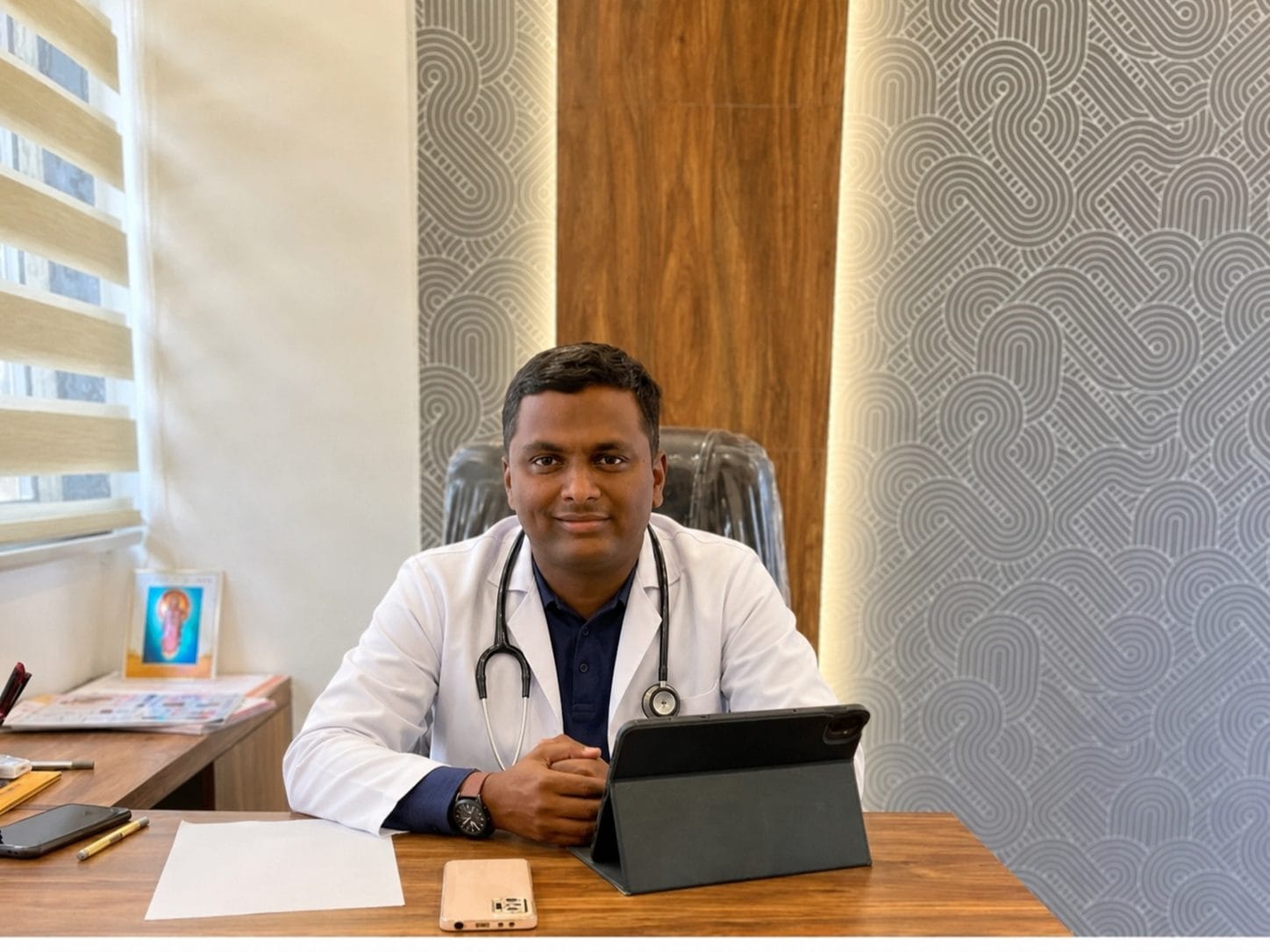
Dr. Shailesh Phalle
Dr. Shailesh Phalle is the founder of Ayusanjivani Ayurveda Centre, with clinics in Wagholi and Kharadi, Pune. With years of clinical experience in Kayachikitsa and digestive disorders, Dr. Phalle has helped hundreds of patients recover from IBS, Grahani Roga, acidity, and chronic bloating through authentic, dosha-based Ayurvedic protocols — combining Virechana, Basti, Shirodhara, and internal medicines tailored to each patient's Agni and constitution. He personally supervises every IBS treatment plan at the centre, ensuring safe, effective, and lasting outcomes.
Common Questions
Frequently Asked Questions About IBS Treatment
Have questions about Ayurvedic IBS treatment at our clinic in Pune? Clear answers from Dr. Phalle's Ayurvedic specialists.
Book Your IBS Treatment at Our Ayurvedic Clinic in Pune
Consult with Dr. Phalle's expert Ayurvedic practitioners today. We provide authentic, dosha-based IBS treatment — Virechana, Basti, and Shirodhara — at our clinics in Wagholi and Kharadi.