Before Booking Panchakarma in Pune: 12 Questions to Ask About Assessment, Preparation, Procedures and Follow-Up
A practical pre-booking checklist for anyone researching ayurvedic Panchakarma treatment in Pune — the exact questions that separate a doctor-led, best Ayurvedic clinic in Pune-type centre from a generic wellness package.
Clinics in Wagholi and Kharadi, Pune
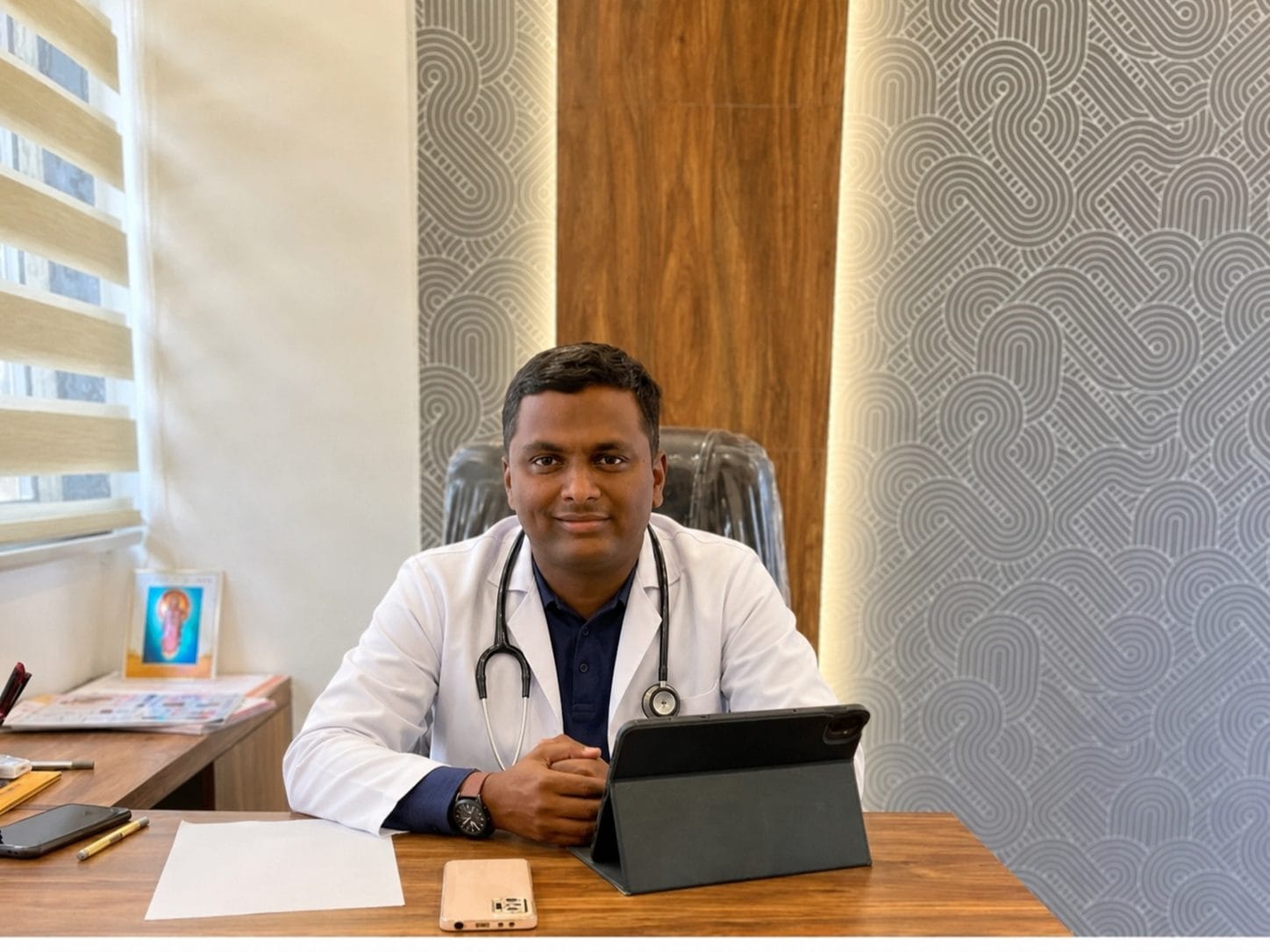
Medically reviewed by Dr. Shailesh Shamkant Phalle, BAMS, M.D. (Kayachikitsa) — Ayurvedic Physician & Panchakarma Specialist, Ayusanjivani Ayurveda Centre.
Written for patient education. This article does not replace an in-person consultation.
Quick Answer
Before booking any ayurvedic Panchakarma treatment in Pune, ask the clinic 12 things across four stages: how they assess you (doctor-led or not), what preparation (Purvakarma) is required, exactly which procedure — Vamana, Virechana, Basti, Nasya, or Raktamokshana — you actually need and why, and what follow-up care (Paschatkarma) is included. A clinic that can answer all 12 clearly, in writing, with an itemised cost breakdown, is generally a safer choice than one offering a fixed package with no individual assessment.
Why These Questions Matter Before You Book
Search for "Panchakarma in Pune" and you'll find everything from single-room massage parlours to hospital-style Panchakarma units run by BAMS doctors — often with near-identical websites and near-identical package names. Patient forums and clinic directories are full of the same recurring themes: people asking who will actually examine them, whether a centre screens for contraindications like pregnancy or active menstruation before starting oil-based therapies, and why one "7-day package" costs three times another with no explanation of what's different.
The honest answer is that Panchakarma is not a single standardised product — it is a graded medical protocol with a preparatory phase (Purvakarma), a main procedure (Pradhankarma — Vamana, Virechana, Basti, Nasya, or Raktamokshana), and a recovery phase (Paschatkarma). A clinic that skips explaining any of these three phases, or can't answer basic questions about your specific case, is not giving you a genuine ayurvedic Panchakarma treatment in Pune — it's giving you a generic wellness session with an Ayurvedic label. The 12 questions below are grouped by these same three phases, plus the assessment step that should come before all of them, so you know exactly what to ask and in what order.
Assessment: What to Ask Before Treatment Begins
1Will a Qualified Ayurvedic Doctor Personally Assess Me, or Only a Therapist?
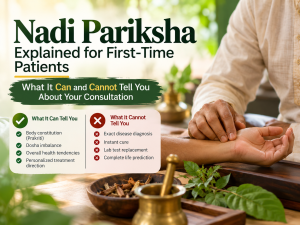
This is the single most important question, and it should have a simple, direct answer. A BAMS or MD-qualified Ayurvedic doctor should examine you — including pulse diagnosis (Nadi Pariksha) and case history — before any procedure is finalised. If the person you're speaking to at the front desk can already tell you what package you "need" without a doctor involved, that's a sign the centre is selling a fixed product rather than practising individualised medicine.
2Will You Check My Prakriti, Current Health Conditions, and Medications First?
A proper assessment includes your Prakriti (natural constitution) and Vikriti (current imbalance), along with a review of existing conditions — diabetes, blood pressure, cardiac history, pregnancy status, and current medication. This isn't a formality: several core Panchakarma procedures have specific contraindications tied to exactly these factors, and skipping this step is one of the most common signs of an under-supervised centre.
3Will I Get a Written, Individualised Treatment Plan — Not a Generic Package?
Ask for your plan in writing: which procedures, over how many days, and why. A written plan tied to your specific case is very different from a printed brochure listing "Panchakarma Package A/B/C" that every visitor is handed regardless of their complaint. If two different patients with two different conditions are offered the identical plan, that plan wasn't built around either of them.
Preparation: What to Ask About Purvakarma
4What Preparatory Therapies Will I Need, and How Long Will That Take?
Ask specifically how many days of internal or external oleation and steam therapy will precede your main procedure. A Vamana or Virechana attempted without adequate Purvakarma is both less effective and less safe — this is one of the most frequently skipped steps when a centre is trying to compress a course into fewer, cheaper days.
5Are There Dietary or Lifestyle Restrictions I Need to Follow Beforehand?
A classical Panchakarma protocol typically requires a light, easily digestible diet in the days leading up to the main procedure, along with adjustments to sleep, exercise, and in some cases sexual activity. If a clinic doesn't mention any pre-treatment guidance at all, ask directly — this preparation phase measurably affects outcomes.
6What Are the Contraindications for Me Specifically, and How Will You Screen for Them?
Common contraindications across Panchakarma procedures include active menstruation, pregnancy, uncontrolled diabetes or hypertension, recent surgery, open wounds, and certain bleeding disorders. Ask the clinic to walk you through how they specifically screen for these in your case — a vague "don't worry, it's all natural" answer is not the same as a clinical screening process.
Procedures: What to Ask About the Treatment Itself
7Which of the Five Panchakarma Procedures Do I Actually Need, and Why?
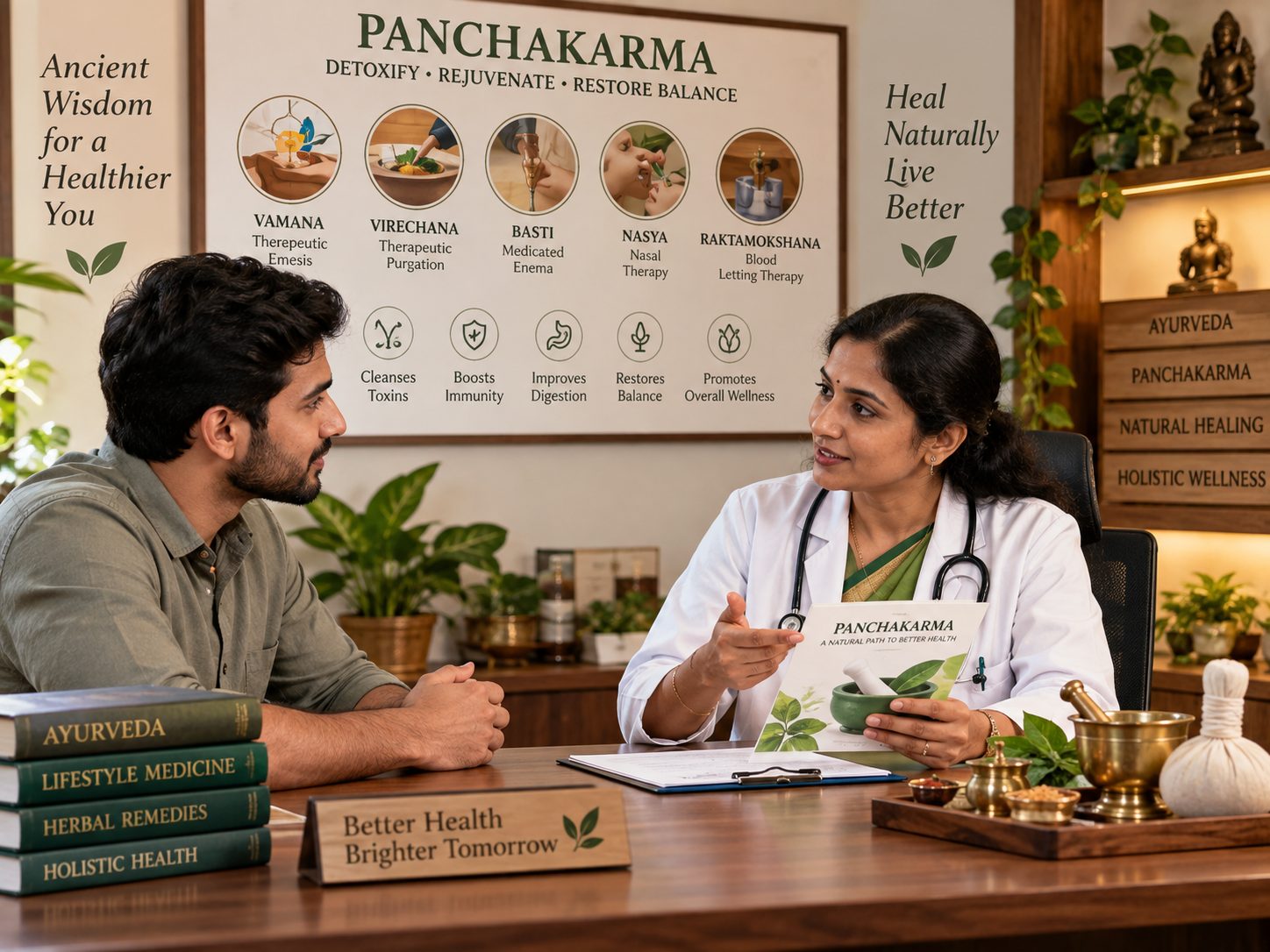
Panchakarma refers to five distinct procedures, each targeting a different dosha and route of elimination. Ask the doctor to explain, in plain terms, why a specific one has been chosen for your case rather than simply being told "the Panchakarma package."
Vamana
Therapeutic emesis for Kapha-dominant conditions like asthma or certain skin disorders.
Virechana
Therapeutic purgation for Pitta-related conditions such as chronic skin issues or hyperacidity.
Basti
Medicated enema, widely used for Vata disorders including joint and spine conditions.
Nasya
Nasal administration used for sinusitis, migraine, and certain ENT or neurological complaints.
Raktamokshana
Blood-purification therapy, commonly performed today as Jalaukavacharan (leech therapy).
8Who Will Perform the Procedure, and What Safety and Hygiene Protocols Are Followed?
Ask specifically whether the doctor is present or reachable during the procedure — not just at the initial consultation — and what hygiene standards apply: single-use consumables, sterilised equipment, and clean therapy rooms. The Ministry of AYUSH, through NABH, has published Gold-Leaf and Silver-Leaf infrastructure standards specifically for Panchakarma centres; a clinic doesn't need to be formally accredited to be good, but it should be able to answer hygiene questions confidently.
9What Will Each Session Cost, and Can I Get an Itemised Breakdown Before I Commit?
There is no single fair price for Panchakarma treatment in Pune — cost depends on which procedures you need, the duration of the course, whether it's outpatient or residential, and the medicines used. Ask for a written, itemised quote covering consultation, procedures, medicines, and any stay, rather than accepting one flat number. For a broader look at how pricing is typically structured, see our detailed page on Panchakarma treatment cost in India and AYUSH rate references.
Follow-Up: What to Ask About Aftercare
10What Post-Treatment Diet and Lifestyle Guidance Will I Receive?
A completed Panchakarma course should end with a written Pathya-Apathya (diet do's and don'ts) plan specific to your condition and the procedure performed — not a generic "eat healthy" comment on your way out. The days immediately following treatment are when the body is most sensitive, and diet during this window has a direct bearing on results.
11Is There a Follow-Up Plan, and What Should I Do if Symptoms Return?
Ask whether a follow-up consultation or check-in call is built into your package, and what the process is if your symptoms recur or don't improve as expected. A clinic with a genuine long-term treatment philosophy will have a clear answer here rather than treating your last session as the end of the relationship.
12What Results Can I Realistically Expect, and in What Timeframe?
Be cautious of any centre promising guaranteed or absolute results for every patient — Ayurvedic treatment outcomes vary by individual constitution, condition severity, and how closely pre- and post-care guidance is followed. A doctor who gives you a realistic, individualised timeframe — rather than a blanket promise — is generally being more transparent with you.
A Quick Checklist to Take With You
Before You Book, Confirm You Have:
- A written, individualised treatment plan explaining exactly which procedure you need and why
- Confirmation of doctor-led assessment and supervision throughout your course
- A clear explanation of the preparatory (Purvakarma) phase and its expected duration
- An itemised cost breakdown covering consultation, procedures, medicines, and stay
- A documented post-treatment diet and follow-up plan (Paschatkarma)
Panchakarma in Kharadi & Wagholi, Pune
Ayusanjivani Ayurveda Centre operates two clinics in Pune — in Wagholi and Kharadi — and every Panchakarma plan at either location follows the same doctor-led process described above: an in-person assessment, a written individualised plan, transparent itemised pricing, and structured post-treatment follow-up.
📍 Ayusanjivani — Kharadi
Full Panchakarma facilities and doctor consultation for joint, spine, digestive, and lifestyle conditions. See more about our Ayurvedic clinic in Kharadi and Panchakarma treatments in Kharadi, Pune.
Call Kharadi Clinic📍 Ayusanjivani — Wagholi
The same doctor-supervised Panchakarma protocols extended to patients across Wagholi, Vadgaon Sheri, and the Nagar Road belt.
WhatsApp Wagholi Clinic
Reviewed by Dr. Shailesh Shamkant Phalle
BAMS, M.D. (Kayachikitsa) — Ayurvedic Physician & Panchakarma Specialist, Ayusanjivani Ayurveda Centre, Kharadi & Wagholi, Pune.
This article is for general health education and does not replace an in-person medical evaluation. Panchakarma procedures carry contraindications and should only be undergone after assessment by a qualified Ayurvedic doctor.
Frequently Asked Questions
It's best to book your initial doctor consultation at least a few days before you'd like to start treatment, since the doctor may recommend a short preparatory diet or lifestyle adjustment before the main procedure begins.
Yes — and a confident, doctor-led clinic should have no concern about this. If a centre discourages you from seeking a second opinion or pressures you to book immediately, treat that as a red flag.
Yes, and this is expected — cost depends on the specific procedures, duration, medicine quality, and whether the course is outpatient or residential. This is exactly why an itemised quote matters more than comparing one headline price.
Bring any recent medical reports or imaging (such as MRI or blood test results), a list of current medications, and a clear description of your main complaint and how long you've had it.
Yes. Reputable clinics will pause or adjust a course if you experience unexpected discomfort — ask about this policy before you begin, so you know what to expect if it comes up.
Yes, both Ayusanjivani clinics follow the same doctor-led assessment, preparation, procedure, and follow-up process under Dr. Shailesh Phalle's supervision. Call +91 84323 29371 or message us on WhatsApp to book at your preferred location.