Endometriosis in Ayurveda: Causes, Treatment & the Best Ayurvedic Doctor in Pune
A complete, research-based guide to understanding endometriosis through Ayurveda — and how endometriosis treatment in Ayurveda in Pune is approached at Ayusanjivani, one of the best Ayurvedic clinics in Pune, under doctor-led care.
Clinics in Wagholi and Kharadi, Pune

Medically reviewed by Dr. Shailesh Shamkant Phalle, BAMS, M.D. (Kayachikitsa) — widely regarded as one of the best Ayurvedic doctors in Pune for chronic and gynaecological conditions, Ayusanjivani Ayurveda Centre.
Written for patient education. This article does not replace an in-person gynaecological or Ayurvedic consultation.
Quick Answer
Classical Ayurveda doesn't describe "endometriosis" as a single named disease — it predates modern laparoscopic diagnosis. But its core features (painful periods, retrograde-flow pain, chronic pelvic pain, and infertility) closely correlate with classical conditions like Udavarta Yonivyapad and Artava Dushti. Ayurvedic management of endometriosis typically combines Panchakarma procedures (especially Virechana and >Uttar Basti), internal herbal formulations, a Pitta-Vata pacifying diet, and lifestyle correction — planned individually by a qualified doctor rather than sold as a fixed package. It can often be used alongside conventional gynaecological care, not only as a replacement for it.
What Is Endometriosis?
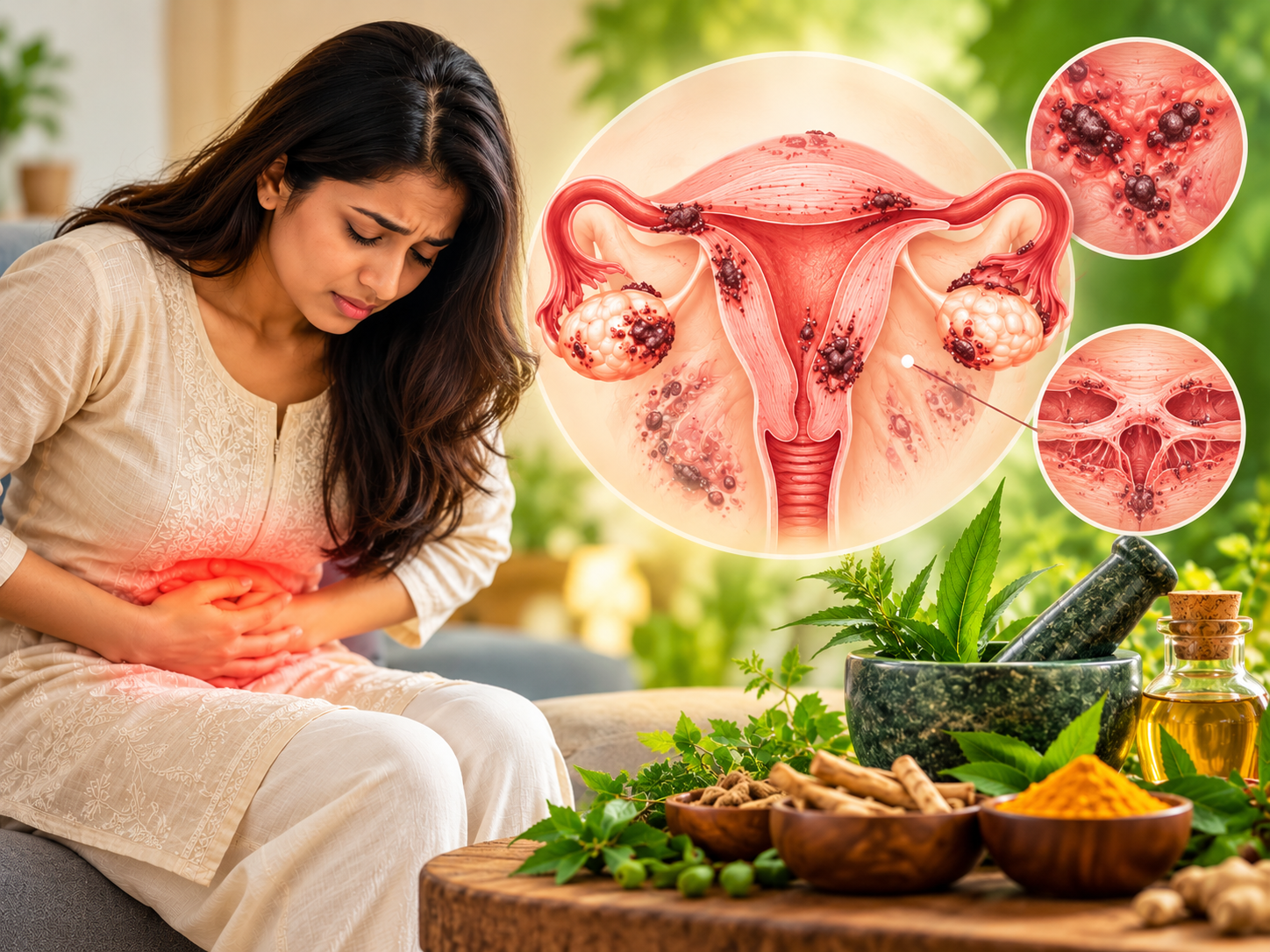
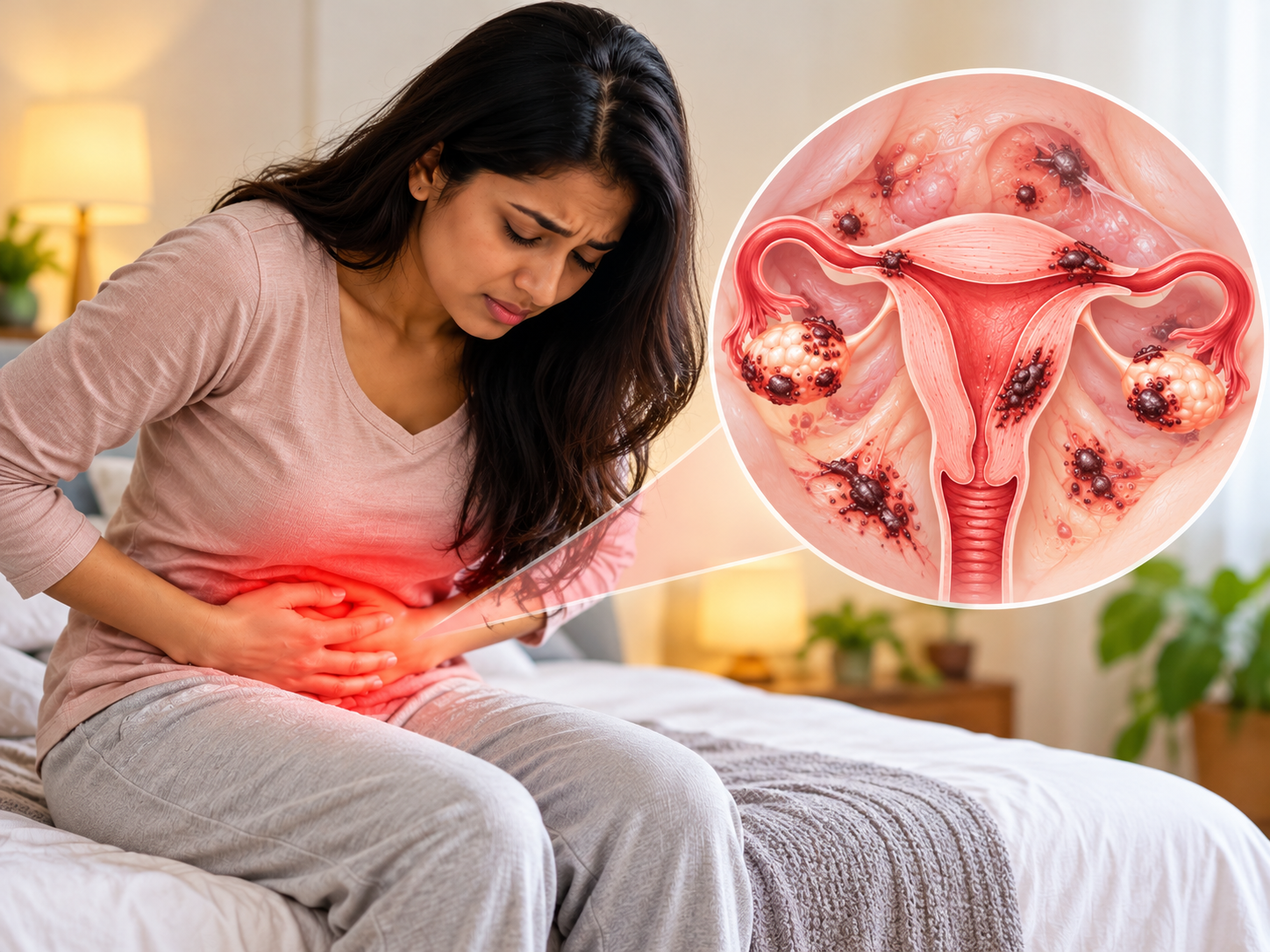
Endometriosis is a chronic condition in which tissue similar to the lining of the uterus (the endometrium) grows outside the uterine cavity — most commonly on the ovaries, fallopian tubes, and the pelvic lining. Like the normal uterine lining, this displaced tissue responds to the monthly hormonal cycle: it thickens, breaks down, and bleeds, but unlike a normal period, this blood has no way to leave the body. Over time, this leads to inflammation, scar tissue (adhesions), and in some cases, cysts on the ovaries known as endometriomas.
Endometriosis is a significant contributor to chronic pelvic pain and infertility in women of reproductive age — research estimates that a substantial proportion of women with the condition, often cited around 30–50%, experience difficulty conceiving. If you've been researching endometriosis treatment in Ayurveda in Pune, this guide covers how Ayurveda understands the condition, what a genuine treatment protocol involves, and realistic cost expectations in the Pune market.
Why Endometriosis Is Often Missed or Misdiagnosed
One of the biggest challenges with endometriosis is how long it typically takes to get diagnosed. Because its hallmark symptom — painful periods — is so often normalised as "just bad period cramps," many women live with the condition for years before a proper gynaecological evaluation, ultrasound, or laparoscopy confirms it. This diagnostic delay is one of the main reasons the condition is frequently more advanced by the time treatment begins, which is why persistent, worsening period pain should never simply be managed with painkillers alone, cycle after cycle.
Endometriosis in Ayurveda: Understanding Artava Dushti & Udavarta Yonivyapad
Classical Ayurvedic texts such as the Charaka Samhita and Sushruta Samhita were written long before laparoscopic diagnosis existed, so they do not describe "endometriosis" as a single named disease. What they do describe in detail, however, is a category of gynaecological disorders called Yoni Vyapad, along with a condition called Udavarta Yonivyapad — painful, obstructed menstruation caused by the reversal (Pratiloma Gati) of Apana Vata, the downward-moving energy responsible for menstruation. Contemporary Ayurvedic scholarship has drawn a close correlation between Udavarta Yonivyapad and the retrograde-flow, pain-dominant pattern seen in endometriosis, alongside the broader concept of Artava Dushti — vitiation of the menstrual tissue (Artava) itself.
It's worth being precise here, in the interest of accurate information: this is a clinical correlation drawn by Ayurvedic practitioners and researchers to map a modern diagnosis onto classical disease categories — not a literal one-to-one classical definition. Most Ayurvedic physicians today treat endometriosis as a multi-factorial Vata-Pitta disorder involving impaired digestive fire (Agni), accumulation of metabolic toxins (Ama), and blockage of the reproductive channels (Artavavaha Srotorodha) — which is why treatment addresses digestion, circulation, and the reproductive channels together, not just the site of pain.
The Ayurvedic View, In Simple Terms
Modern medicine explains endometriosis through hormone-driven tissue growth and inflammation outside the uterus. Ayurveda arrives at a related picture through Apana Vata reversal, Pitta-driven inflammation, and blocked reproductive channels (Srotorodha). Because both frameworks point toward obstruction and inflammation as central features, Ayurvedic therapy is built to clear the obstruction, calm the inflammation, and restore normal downward flow of Apana Vata — rather than only numbing period pain each month.
Causes & Risk Factors
The exact cause of endometriosis is still not fully understood in modern medicine, but several contributing factors are well documented, and Ayurveda adds its own lens on top of these:
- Retrograde menstruation: Menstrual blood flowing backward through the fallopian tubes into the pelvic cavity instead of leaving the body — the leading modern theory, and closely mirrored by the "reversed Apana Vata" concept in Udavarta Yonivyapad.
- Hormonal factors: Oestrogen-dominant states can promote the growth of displaced endometrial-like tissue.
- Immune system factors: A reduced ability of the immune system to recognise and clear misplaced endometrial tissue.
- Genetic predisposition: A family history of endometriosis raises individual risk.
- Ayurvedic contributing factors (Nidana): Impaired Agni (digestive fire) leading to Ama (toxin) accumulation, chronic stress, irregular sleep and meals, and a Vata-Pitta aggravating diet and lifestyle — all seen as accelerating Srotorodha (channel blockage) in the reproductive system.
Symptoms You Shouldn't Ignore
Endometriosis symptoms vary widely — some women have extensive disease with mild symptoms, while others have severe pain with minimal visible tissue. Watch for:
- Severe menstrual cramps (Kashta Artava) that worsen over time rather than staying the same
- Chronic pelvic pain that isn't limited to the days of your period
- Pain during or after intercourse (dyspareunia) — read more on our Ayurvedic approach to dyspareunia
- Heavy or irregular menstrual bleeding (Artava Dushti)
- Pain with bowel movements or urination, especially during periods
- Fatigue, bloating, nausea, or digestive disturbance around menstruation
- Difficulty conceiving — sometimes the first sign a woman seeks evaluation for
If pain is severe enough to interfere with daily activity, or if periods have progressively worsened over several cycles, this warrants a proper gynaecological evaluation rather than ongoing self-management with painkillers alone.
How We Diagnose Endometriosis at Ayusanjivani
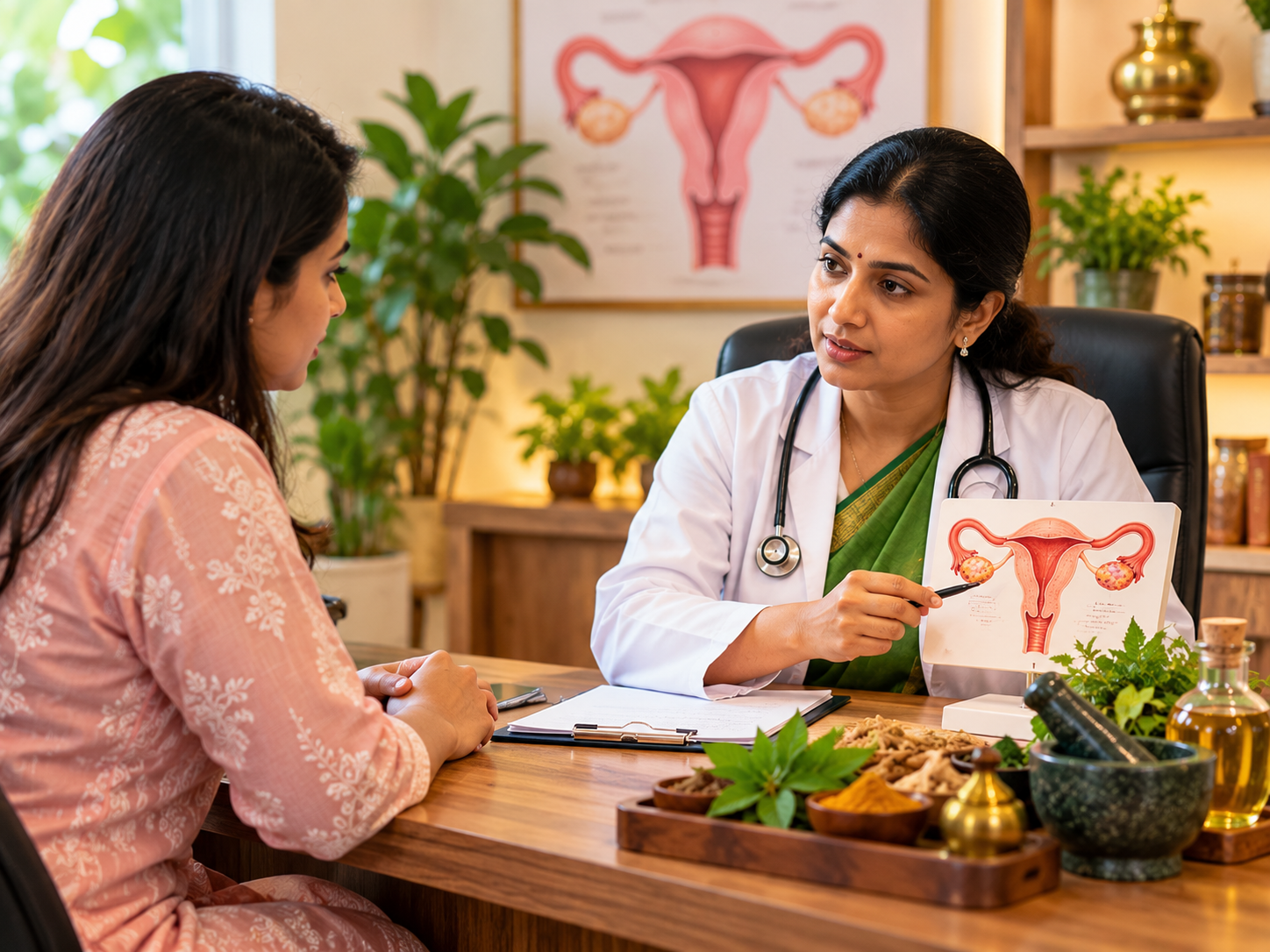
- Nidan Parikshan (case history): Detailed history of menstrual pattern, pain timing and severity, fertility goals, and daily routine.
- Prakriti-Vikriti assessment: Identifying your natural constitution and the current Vata-Pitta imbalance driving the condition.
- Review of existing reports: Where available, we review ultrasound, MRI, CA-125, or laparoscopy findings to understand the extent of the condition before finalising a protocol.
- Referral when needed: If red-flag findings (such as a large endometrioma or suspected organ involvement) are present, we coordinate with or refer to a gynaecologist, since Ayurvedic care works best alongside — not instead of — appropriate medical evaluation in such cases.
Why Consider Ayurveda for Endometriosis
Conventional management of endometriosis typically involves pain medication, hormonal therapy, or surgery — each of which can be effective but also carries limitations: hormonal therapy requires ongoing use and has side effects, while surgery is associated with a meaningful chance of symptom recurrence over time. This is where an Ayurvedic approach is often considered as a complementary or longer-term management strategy:
- It addresses the broader picture — digestion (Agni), toxin load (Ama), and channel blockage (Srotorodha) — rather than only the pain signal
- Panchakarma therapies aim to reduce pelvic inflammation and improve circulation to the reproductive organs
- There is no dependency risk associated with long-term painkiller use
- It can be used safely alongside gynaecological care, including after surgery, to support recovery and reduce recurrence risk
- A structured diet and lifestyle protocol tends to improve overall hormonal and digestive health, not just the targeted symptom
Our doctors at Ayusanjivani also manage a range of other chronic, dosha-driven conditions using this same root-cause approach — including vitiligo, psoriasis, and eczema, where the same principles of treating Agni, Ama, and dosha imbalance — rather than only the visible symptom — apply.
Ayurvedic Therapies & Panchakarma for Endometriosis
Treatment is rarely a single therapy — it's a structured combination of internal medicines and Panchakarma procedures sequenced according to severity, menstrual cycle timing, and whether fertility is a current goal. Most protocols draw from the broader Panchakarma framework.
Virechana — Therapeutic Purgation
Used to clear aggravated Pitta dosha and reduce the inflammatory load associated with endometriosis — often the first Panchakarma procedure considered in a structured protocol.
Uttar Basti
A specialised Basti procedure administered directly into the reproductive tract, widely used in Ayurvedic gynaecology for pelvic pain, blocked channels, and endometriosis-related infertility — considered one of the more targeted therapies for this condition.
Basti (General)
Medicated enema therapy to pacify Apana Vata — the downward-moving energy directly implicated in painful, obstructed menstruation.
Snehana & Swedana
Preparatory oil therapy and localised fomentation over the lower abdomen to ease pelvic congestion and muscular tension before deeper procedures.
Yoni Prakshalana / Pichu
Local therapeutic applications used in select cases to support pelvic tissue health, administered only under clinical supervision.
Nasya (Supportive)
In cases with significant stress-driven symptom flares, Nasya may be included as a supportive therapy for overall Vata balance.
Herbal Medicines Used in Endometriosis Management
Alongside Panchakarma, internal herbal formulations play a central role in pacifying Vata-Pitta, reducing inflammation, and supporting healthy menstrual flow. Commonly used herbs and formulations include:
- Ashoka (Saraca asoca): A classical uterine tonic traditionally used for heavy bleeding and menstrual pain
- Lodhra (Symplocos racemosa): Used to support healthy uterine tissue and regulate abnormal bleeding
- Shatavari (Asparagus racemosus): A nourishing reproductive tonic used to support hormonal balance
- Kanchnar Guggulu: Classically used to address Granthi (nodular/cystic tissue growth), relevant where endometriomas are present
- Rajapravartini Vati: A classical formulation for painful and irregular menstruation
- Dashmoolarishta: A fermented decoction frequently prescribed for Vata-Vyadhi affecting the reproductive system
Note: These formulations should always be prescribed after a proper consultation and are dosed individually. Self-medicating for a condition as complex as endometriosis, especially alongside hormonal medication, can mask disease progression or interact with existing treatment.
Ayurvedic Diet for Endometriosis
Since endometriosis is understood as a Vata-Pitta disorder with an inflammatory (Ama) component, diet plays a direct role in symptom severity.
Foods That Help
- Warm, freshly cooked, lightly spiced meals that are easy to digest
- Cooling, Pitta-pacifying foods during the luteal and menstrual phase — coconut, pomegranate, leafy greens
- Healthy fats such as ghee to counter Vata dryness and support hormonal health
- Warm herbal teas (fennel, coriander, cumin) to support digestion and reduce bloating
- Iron-rich foods if bleeding is heavy, to offset nutrient loss
Foods & Habits to Avoid
- Excess caffeine, alcohol, and processed sugar, which can worsen inflammation
- Fried, heavy, or reheated food that burdens Agni and promotes Ama
- Excess red meat and highly processed foods linked to inflammatory load
- Skipping meals or irregular eating times, which aggravates Vata
- Chronic sleep deprivation and unmanaged stress, both of which aggravate Vata-Pitta
Yoga & Lifestyle Modifications
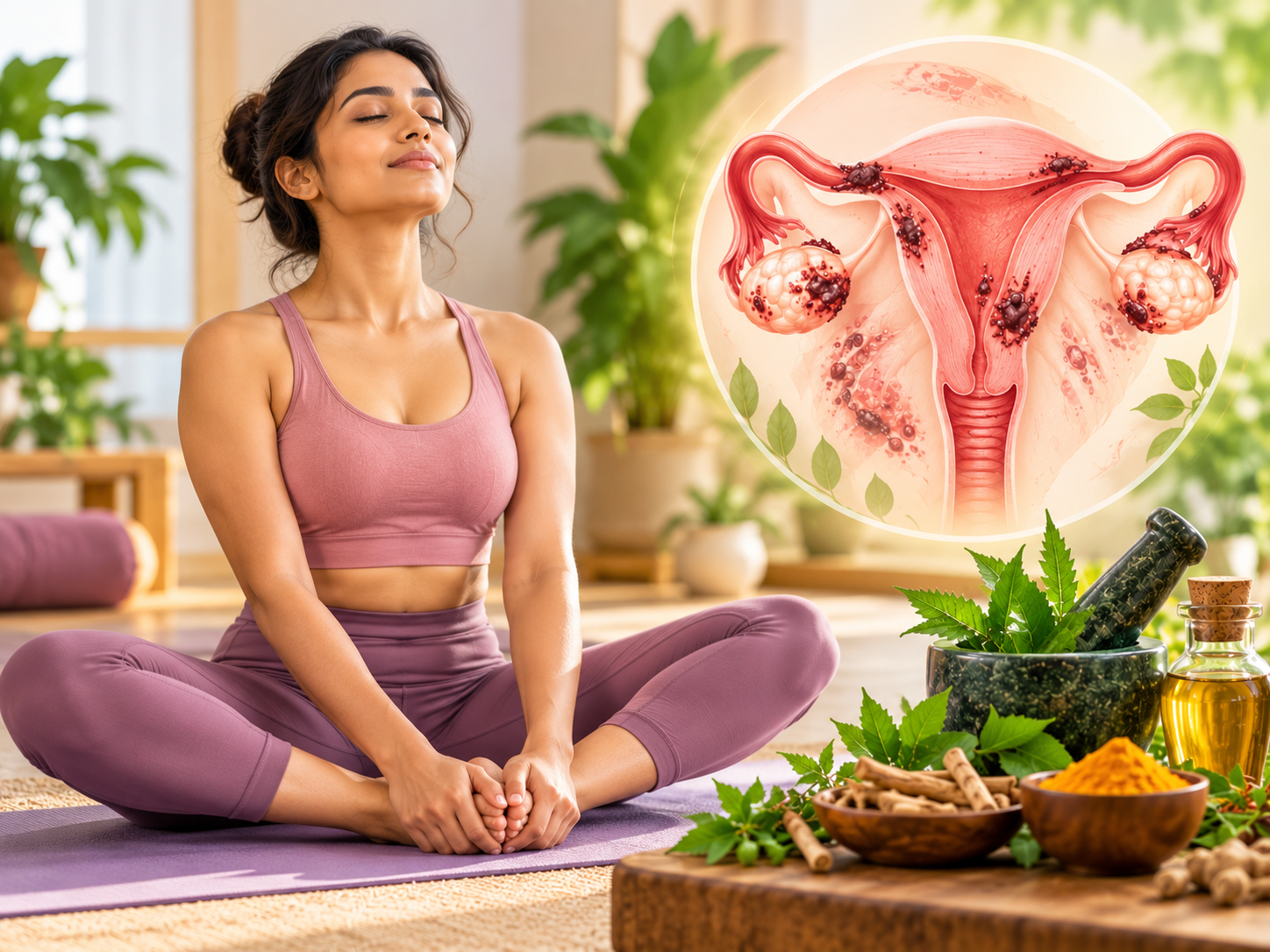
Gentle, consistent movement supports pelvic circulation and stress reduction, both relevant to endometriosis management. Commonly recommended practices include:
- Supta Baddha Konasana (Reclining Bound Angle Pose): Gently opens the pelvis and reduces tension
- Balasana (Child's Pose): Relieves lower back and pelvic discomfort
- Viparita Karani (Legs-Up-The-Wall Pose): Supports pelvic circulation and relaxation
- Nadi Shodhana Pranayama: Calms the nervous system and helps manage chronic pain perception
Avoid intense core work, deep twists, and inversions during active heavy bleeding or acute pain flares. A doctor- or therapist-guided routine, adjusted to your cycle and symptom severity, is safer than a generic online programme.
Endometriosis & Fertility
Endometriosis is one of the more common contributors to difficulty conceiving, largely due to inflammation, scar tissue, and disruption of normal ovarian and tubal function. If fertility is a current goal, treatment is usually planned with that in mind from the outset — often combining Panchakarma with a structured Preconception Panchakarma Shodhan protocol. For a broader look at how we approach reproductive health, see our guides on female infertility causes and Ayurvedic infertility treatment in Pune.
Pune Pricing Comparison: Consultation & Treatment Cost
One of the most common questions women ask before choosing a treatment path is simply: what will it cost? Here's an honest, general reference based on typical Pune market rates across both conventional and Ayurvedic care — actual fees vary by clinic, doctor experience, and what your specific case needs, so always confirm current pricing directly.
Gynaecologist Consultation (Pune)
Typical consultation fees for endometriosis evaluation with a gynaecologist in Pune, varying by the doctor's experience and clinic.
Ayurvedic Doctor Consultation (Pune)
Typical range for an initial consultation with an Ayurvedic physician in Pune, before any procedure or package is recommended.
Full Panchakarma Course (7–21 Days)
A general national reference range for a structured Panchakarma course addressing endometriosis, depending on duration, procedures included, and whether residential stay is involved.
Ongoing Herbal Medicines
Approximate monthly cost of herbal formulations during an extended management protocol, varying by brand and specific prescription.
Surgical/Hormonal Treatment
Laparoscopic surgery or long-term hormonal therapy costs depend heavily on disease extent and are best quoted directly by a gynaecologist after evaluation.
What We'd Recommend
Whichever path you choose, ask for an itemised breakdown — consultation, procedures, medicines, and duration — rather than comparing a single headline number.
For a deeper breakdown of how Panchakarma pricing works more broadly, see our dedicated page on Panchakarma treatment cost in India and AYUSH rate references.
Best Ayurvedic Doctor & Clinic in Pune: Kharadi & Wagholi
Ayusanjivani Ayurveda Centre, led by Dr. Shailesh Shamkant Phalle (BAMS, M.D. Kayachikitsa), is recognised as one of the best Ayurvedic clinics in Pune for chronic and gynaecological conditions, offering endometriosis treatment in Ayurveda in Pune across two accessible locations.
📍 Ayusanjivani — Kharadi
Our primary centre offering full Panchakarma facilities, Uttar Basti, and doctor-led consultation for endometriosis and related reproductive health conditions. Learn more about our Ayurvedic clinic in Kharadi and Panchakarma treatments in Kharadi, Pune.
Call Kharadi Clinic📍 Ayusanjivani — Wagholi
The same doctor-supervised endometriosis and women's health protocols, extended to patients across Wagholi, Vadgaon Sheri, and the Nagar Road belt.
WhatsApp Wagholi ClinicBoth clinics follow the same treatment philosophy and are supervised directly by Dr. Phalle, ensuring consistent quality of care regardless of which location is more convenient for you.
Reviewed by Dr. Shailesh Shamkant Phalle
BAMS, M.D. (Kayachikitsa) — Ayurvedic Physician & Panchakarma Specialist, Ayusanjivani Ayurveda Centre, Kharadi & Wagholi, Pune.
This article is for general health education and does not replace an in-person medical evaluation. Endometriosis should be diagnosed and monitored with appropriate gynaecological assessment; Ayurvedic therapies should only be undergone after evaluation by a qualified Ayurvedic doctor.
Frequently Asked Questions
Ayurvedic treatment can meaningfully reduce pain, inflammation, and bleeding irregularity in many endometriosis cases, and is often used to support fertility outcomes as well. Endometriosis is a chronic, recurrence-prone condition in any treatment system, so the realistic goal of Ayurvedic care is long-term management and symptom control, planned individually by your doctor, rather than a guaranteed outcome.
Many women use Ayurvedic protocols, particularly Uttar Basti and preconception Panchakarma, as part of their fertility journey alongside or before assisted reproduction. Outcomes vary by individual case, and a doctor's assessment is needed to set realistic expectations.
Certain therapies are timed around your cycle rather than performed during heavy active bleeding. A proper clinical assessment determines which procedures are appropriate and when — this is exactly why self-directed Panchakarma without a doctor's guidance isn't advisable.
Many patients notice some reduction in pain within 1–2 menstrual cycles of starting a structured protocol. Because endometriosis is chronic, a meaningful, lasting improvement typically requires a longer course of 3–6 months, often combining Panchakarma with ongoing herbal support and diet correction.
Yes, many patients combine Ayurvedic management with ongoing gynaecological care, including post-surgical recovery support. Any change to existing hormonal medication should always be discussed with both your treating doctors together.
Uttar Basti is a specialised Panchakarma procedure in which medicated oils or decoctions are administered directly into the reproductive tract. In classical Ayurvedic gynaecology it is considered one of the more targeted therapies for pelvic pain, blocked channels, and fertility support, and is performed only by a trained doctor under strict hygiene protocol.
Yes, Ayusanjivani Ayurveda Centre offers the same doctor-led endometriosis management protocols at both our Kharadi and Wagholi clinics in Pune. Call +91 84323 29371 or message us on WhatsApp to book at your preferred location.