Is Virechana Worth It?
Benefits & Treatment Cost Explained
Discover how this 5,000-year-old Ayurvedic detox is transforming lives across Pune and India — and find out if it’s the right treatment for you.
Get Consultation on WhatsAppQuick Summary — What You’ll Learn
Every day, thousands of people across India are turning to Virechana — an ancient Ayurvedic detoxification therapy. — to address deeply modern health challenges. From stubborn skin conditions and chronic digestive disorders to hormonal imbalances and unexplained fatigue, patients from Pune to Delhi are discovering what Ayurvedic physicians have known for 5,000 years: the body heals best when it’s truly clean from within.
But is Virechana truly worth the time, commitment, and cost? Is it safe? And how does this traditional therapy compare to modern medicine for conditions like psoriasis, fatty liver, or PCOS?
In this comprehensive, research-backed guide — written by Panchakarma experts serving Pune — we break down everything you need to know about virechana treatment benefits, the step-by-step procedure, honest cost details, and who should (and shouldn’t) consider this powerful therapy.
What is Virechana Ayurveda Treatment?
The word Virechana (विरेचन) comes from Sanskrit, meaning “purging” or “cleansing.” It is one of the five core therapies of Panchakarma — Ayurveda’s most comprehensive and clinically validated detoxification system.

Traditional Ayurvedic herbs and medicated ghee form the foundation of Virechana therapy
Specifically, Virechana is a physician-supervised, medicated therapeutic purgation procedure that systematically expels accumulated toxins (ama) and excess Pitta dosha from the body — primarily through the intestines, liver, and gallbladder.
Unlike commercial laxatives or trendy “detox” supplements, Virechana follows a precise multi-day protocol with three distinct phases: a preparatory phase, the main treatment day, and a carefully monitored recovery period. Each phase is essential and cannot be skipped.
The Pitta Dosha Connection
In Ayurvedic philosophy, Pitta dosha governs digestion, metabolism, and transformation. When Pitta becomes imbalanced — due to stress, spicy foods, irregular sleep, emotional heat, or environmental factors — it accumulates in the liver, small intestine, blood, and skin.
🔥 Common Signs of Pitta Imbalance
- Chronic acidity, acid reflux, or heartburn
- Skin rashes, psoriasis, eczema, acne, or vitiligo
- Excessive body heat or burning sensations
- Irritability, anger, or emotional reactivity
- Liver dysfunction or elevated liver enzymes
- Inflammatory joint conditions (gout, arthritis)
- Blood disorders or pigmentation issues
- Chronic loose stools, diarrhea
Virechana is specifically designed to expel this excess Pitta and restore the body’s natural doshic equilibrium — addressing root causes rather than suppressing symptoms with ongoing medication.
Virechana vs. Vamana — Key Differences
| Feature | Virechana | Vamana |
|---|---|---|
| Primary Dosha | Pitta | Kapha |
| Route | Lower GI (purgation) | Upper GI (emesis) |
| Organs Targeted | Liver, small intestine, gallbladder | Stomach, lungs |
| Best For | Skin, liver, hormones | Respiratory, obesity, Kapha disorders |
| Complexity | Less demanding | More physically demanding |
Not Sure if Virechana is Right for You?
Our Ayurvedic physicians will assess your Prakriti, dosha imbalance, and health history — and recommend the exact treatment plan your body needs. First consultation is completely on WhatsApp.
· No obligation · Quick response
10 Proven Virechana Treatment Benefits
The virechana treatment benefits extend far beyond simple “detox.” This is a clinically structured Ayurvedic therapy that creates measurable, lasting improvements in physical and mental health. Here are the 10 most significant benefits backed by both classical Ayurvedic texts and modern clinical observation:
Deep Cellular Detoxification
Virechana eliminates ama (metabolic waste and accumulated toxins) from the intestines, liver, gallbladder, and blood — toxins that build up over years due to processed foods, pollution, chronic stress, and poor lifestyle habits.
Unlike superficial “cleanses” or supplements that only touch the surface, Virechana works at the cellular level — systematically mobilizing and expelling deeply embedded toxins that conventional methods simply cannot reach.
Dramatic Improvement in Skin Conditions
Skin is a direct mirror of internal health. Chronic conditions like psoriasis, eczema, vitiligo, and acne often have roots in blood toxicity and Pitta imbalance — not merely in the skin itself.
Virechana cleanses the blood by purifying the liver and intestines — eliminating the very toxins that manifest as skin disorders. Many patients in Pune report significant, lasting improvement in stubborn skin conditions after just one complete course of treatment.
Complete Digestive System Reset
If you suffer from GERD, chronic constipation, bloating, or sluggish digestion, Virechana can deliver relief that years of medication often cannot. By eliminating excess Pitta and toxins from the GI tract, it resets your Agni (digestive fire) — improving nutrient absorption, regularising bowel movements, and eliminating root causes rather than managing symptoms.
Liver & Gallbladder Cleansing
The liver is the body’s primary Pitta organ in Ayurveda. Virechana specifically targets and cleanses the liver and gallbladder — improving bile secretion, enhancing fat metabolism, and supporting healthy liver enzyme levels.
This makes Virechana particularly valuable for conditions like fatty liver (NAFLD), elevated cholesterol, jaundice, and early-stage liver dysfunction.
Effective Weight Management
Virechana addresses the metabolic root cause of weight gain rather than merely its symptoms. By improving liver function, resetting digestive fire (Agni), and eliminating accumulated Pitta and Kapha toxins, it supports healthy, sustainable weight loss.
Many patients experience significant reduction in abdominal fat, water retention, and food cravings following treatment, alongside measurable metabolic improvement.
Mental Clarity & Emotional Balance
The gut-brain connection is not merely modern science — Ayurveda recognised it millennia ago. By deeply cleansing the digestive system, Virechana has a profound impact on mental clarity, mood stability, and emotional regulation.
Patients consistently report reduced brain fog, sharper concentration, calmer emotional responses, and decreased anxiety and irritability following treatment.
Relief from Chronic Inflammatory Conditions
Virechana is highly effective for conditions rooted in systemic inflammation — including gout, rheumatoid arthritis, chronic fever, and certain autoimmune disorders. By eliminating the Pitta toxins that drive inflammation, it provides lasting relief where conventional anti-inflammatory medications often offer only temporary suppression of symptoms.
Hormonal Regulation & PCOS Support
Excess Pitta and accumulated toxins interfere with hormonal signalling in the body. Since the liver is responsible for metabolising and clearing excess hormones, Virechana’s deep hepatic detox can help regulate hormonal imbalances significantly.
Many women undergoing Virechana as part of their Panchakarma treatment in Pune report measurable improvements in PCOS symptoms, menstrual regularity, PMS severity, and hormonal acne.
Significant Immunity Enhancement
The gut houses approximately 70% of the body’s immune system. By restoring a clean, healthy gastrointestinal environment and removing immune-suppressing toxins, Virechana significantly enhances immune function from within.
Patients commonly report reduced frequency of seasonal colds, allergies, and infections in the months following treatment — alongside an overall sense of increased resilience.
Rejuvenation & Anti-Aging Effects
Virechana is often described as Ayurveda’s most effective body “reset.” By removing years of accumulated toxins, it allows the body’s tissues to repair and regenerate more efficiently at the cellular level.
Patients report improved energy levels, deeper and more restful sleep, reduced signs of premature aging (skin dullness, hair fall), and an overall sense of profound vitality and lightness that can last for months after treatment.
Who Should Consider Virechana? (Conditions Treated)
Virechana is one of the most versatile Panchakarma therapies, addressing a wide spectrum of health conditions. Here’s a comprehensive overview of conditions where virechana ayurveda treatment is clinically recommended:
🌿 Skin Conditions
- Psoriasis
- Eczema / Dermatitis
- Vitiligo
- Acne Vulgaris
- Urticaria (Hives)
- Hyperpigmentation
🔥 Digestive Disorders
- GERD / Acid Reflux
- IBD (Crohn’s / Colitis)
- Chronic Constipation
- Bloating & Flatulence
- Haemorrhoids (Piles)
🫀 Liver & Metabolic
- Fatty Liver (NAFLD)
- Jaundice
- High Cholesterol
- Obesity / Weight Gain
- Diabetes Management
- Thyroid Support
💫 Women’s Health
- PCOS / PCOD
- Irregular Menstruation
- PMS & Hormonal Acne
- Endometriosis (adjunct)
- Hormonal Imbalances
🦴 Joint & Muscular
- Gout
- Rheumatoid Arthritis
- Inflammatory Joint Conditions
- Non-healing Wounds
🧠 Neuro & Mental Health
- Chronic Migraines
- Anxiety & Stress
- Brain Fog / Low Focus
- Chronic Fatigue
- Epilepsy (adjunct therapy)
The Virechana Treatment Procedure: Step by Step
A complete Virechana ayurveda treatment program consists of three distinct phases. Each phase is critical to both the safety and effectiveness of the therapy — none can be skipped without compromising results:
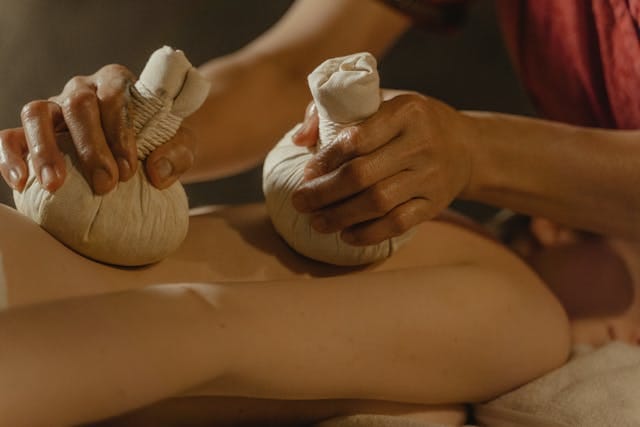
Poorvakarma — Preparation (5–7 days)
The body must be systematically prepared before the main treatment. This phase mobilises deeply embedded toxins from tissues into the GI tract for elimination.
Herbal digestive preparations to kindle Agni and begin mobilising ama (accumulated toxins).
Medicated ghee consumed in progressively increasing doses each morning. This saturates body tissues and loosens deeply embedded toxins, preparing them for safe expulsion.
Full-body therapeutic oil massage to further mobilise toxins from peripheral tissues toward the digestive tract for elimination.
Steam therapy using medicinal herbs to open channels (srotas) and facilitate toxin movement toward elimination pathways.
Pradhanakarma — Main Treatment Day (Day 1)
The primary treatment day is carefully selected based on the patient’s condition. This is the therapeutic purgation day itself.
A personalised purgative medicine is administered early morning on an empty stomach. Classical formulations include Triphala (Haritaki, Vibhitaki, Amalaki), castor oil, or other Virechana drugs selected based on the patient’s condition and constitution.
Natural purgation occurs over 4–8 hours. Typically 8–15 evacuations take place. The physician closely monitors Shuddhi (degree of cleansing) based on stool characteristics and physiological response.
Success is evaluated via classical parameters: Vaigiki Shuddhi (number of evacuations), Maniki Shuddhi (quantity), and Laingiki Shuddhi (symptom-based signs of complete cleansing).
Paschatkarma — Recovery (5–14 days)
The post-treatment recovery phase is as critical as the treatment itself. This phase rebuilds digestive strength and consolidates lasting benefits.
A graduated dietary progression from warm water → thin rice gruel → thick gruel → soft khichdi → light vegetables → normal diet over 7–14 days, systematically rebuilding digestive strength.
Herbal rejuvenating formulations prescribed to rebuild tissues, enhance immunity, and consolidate Virechana’s benefits.
For 24–48 hours: avoid sunlight, wind, cold, strenuous activity, and emotional stress. Rest is absolutely critical for proper recovery.
Ready to Begin Your Virechana Journey in Pune?
Our Pune-based Panchakarma specialists will design a completely personalised Virechana protocol based on your health history, dosha type, and treatment goals. Book first consultation — just message us on WhatsApp.
Virechana Treatment Cost in Pune & Across India
Understanding the virechana treatment cost is essential for planning your wellness journey. Costs vary considerably based on several factors, and it’s important to understand what a complete treatment package includes versus standalone session pricing.

Key Factors That Affect Virechana Cost
Longer Poorvakarma phases with more days of oleation and external therapies increase overall cost.
Standalone Ayurvedic clinics in Pune are typically more affordable than resort-style wellness centers. Pune pricing is moderate compared to Mumbai or Delhi.
Certified Ayurvedic physicians (BAMS / MD Ayurveda) with Panchakarma specialisation charge premium rates — critical for safe, effective treatment.
Classical Virechana uses specific medicated ghees, oils, and herbal preparations. High-quality, authentic formulations from certified pharmacies cost more but deliver superior results.
Packages including Shirodhara, Nasya, or other Panchakarma therapies alongside Virechana are priced higher but offer more comprehensive care.
Virechana Treatment Cost in Pune
| Type of Center | Cost Range (Complete Package) | What’s Typically Included |
|---|---|---|
| Basic Ayurvedic Clinic | ₹5,000 – ₹10,000 | Consultation, medicines, procedure |
| Mid-Range Panchakarma Center | ₹10,000 – ₹25,000 | Consultation, medicated ghee, Abhyanga, Swedana, Virechana, follow-up |
| Premium Wellness Center | ₹25,000+ | Full Panchakarma course, multiple therapies, premium experience |
| Per-Day Rate (Standalone) | ₹3,500 – ₹5,500/day | Daily therapy sessions during treatment period |
Virechana Cost Across India
| City / Region | Cost Range (Complete Course) |
|---|---|
| Pune, Maharashtra | ₹5,000 – ₹25,000+ |
| Mumbai, Maharashtra | ₹12,000 – ₹40,000+ |
| Delhi / NCR | ₹10,000 – ₹35,000+ |
| Kerala (Specialised Centers) | ₹20,000 – ₹1,00,000+ |
| Bangalore, Karnataka | ₹10,000 – ₹35,000+ |
| Chennai, Tamil Nadu | ₹8,000 – ₹30,000+ |
💡 Is Virechana Treatment Cost Worth It?
Consider this: patients with chronic psoriasis often spend ₹2,000–5,000 per month on medications — year after year — with no lasting improvement. A single Virechana course at ₹15,000–20,000 can provide 6–12 months or more of significant relief, dramatically reducing medication dependency and ongoing healthcare costs.
Similarly, patients with fatty liver, PCOS, or gout typically find that Virechana — and its lasting results — far outweighs years of ongoing allopathic treatment expenses.
The verdict: For most Pitta-dominant conditions, Virechana is not just worth it — it’s often the most cost-effective long-term solution available.
Virechana Ayurveda Treatment in Pune: Why Choose Us
Pune has emerged as one of Maharashtra’s premier destinations for authentic Panchakarma and virechana ayurveda treatment. With a growing community of certified Ayurvedic practitioners, increasing health consciousness, and strong accessibility across the city, Pune offers excellent access to quality Virechana therapy.

What to Look for in a Virechana Center in Pune
BAMS or MD Ayurveda degree with Panchakarma specialisation. Experience matters enormously.
Classical formulations from GMP-certified Ayurvedic pharmacies — not generic OTC products.
A center that NEVER skips Snehapana, Abhyanga, and Swedana — these are non-negotiable for effective Virechana.
No “one-size-fits-all.” Your medicines, duration, and diet plan must be customised to your Prakriti and condition.
Proper Samsarjana Krama dietary guidance and Rasayana prescription — essential for sustaining long-term benefits.
Clear, upfront disclosure of all costs — medicines, procedures, consultations — with no hidden charges.
Who Should Avoid Virechana Treatment?
While Virechana is generally safe for most adults when performed under expert supervision, there are specific contraindications where the treatment should be avoided or modified:
Strictly contraindicated — can stimulate uterine contractions.
Paediatric Panchakarma requires specialised protocols distinct from adult treatment.
These patients need nutritive therapy (Brimhana) before any cleansing procedure.
Should not be performed during acute illness, fever, or active infections.
Patients who are already dehydrated should not undergo purgation therapy.
Post-operative patients need to fully recover before considering Panchakarma.
Haemorrhoids with active bleeding or rectal fissures require specialist assessment first.
Can undergo Virechana with physician monitoring and carefully adjusted formulations.
Post-Virechana Diet & Recovery Guide
The Samsarjana Krama — the post-treatment dietary protocol — is one of the most critical elements of successful Virechana. Rushing back to a normal diet can significantly reduce or undo the treatment’s benefits. Here’s the recommended recovery timeline:
Warm water, herbal teas, thin rice water. Complete rest. No solid food whatsoever.
Warm, watery rice gruel, clear broths. Extremely easy to digest and deeply nourishing.
Thick rice gruel and moong dal khichdi with ghee. Warm, soft, easily digestible foods only.
Cooked vegetables, light dals. Avoid all raw foods, cold items, and heavy proteins.
Slowly reintroduce your regular diet. Avoid spicy, oily, fried, cold, and raw foods for 2 weeks post-treatment.
What to Strictly Avoid After Virechana (2 Weeks)
Frequently Asked Questions About Virechana
The complete Virechana program typically takes 7–14 days: 5–7 days of Poorvakarma (preparation including Snehapana, Abhyanga, and Swedana), 1 main treatment day (Pradhanakarma), and 5–7 days of Paschatkarma (recovery with Samsarjana Krama diet). Your physician determines the exact duration based on your health condition and dosha imbalance.
No, Virechana is not painful when performed correctly under expert physician supervision. You may feel mild abdominal cramping or gurgling during the purgation phase, which is natural and expected. Most patients describe the overall experience as deeply relieving — feeling significantly lighter, clearer, and more energetic within 24–48 hours after the procedure.
Virechana treatment cost in Pune typically ranges from ₹5,000 to ₹25,000+ for a complete course depending on the clinic, duration, medicines, and additional therapies included. A proper package includes initial consultation, Poorvakarma preparations, the main procedure, and post-treatment follow-up. For a personalised, transparent cost estimate, contact us on WhatsApp — we’ll assess your needs and provide an honest quote.
Virechana is one of Ayurveda’s most effective therapies for psoriasis, addressing the root cause — blood toxicity, liver dysfunction, and Pitta-Rakta imbalance — rather than merely managing surface symptoms. While “permanent cure” depends on individual constitution, lifestyle, and dietary adherence, many patients experience significant, long-lasting remission (often 6–12+ months or more) after a complete Virechana course combined with appropriate lifestyle changes. Annual maintenance Virechana helps sustain these results.
According to classical Ayurvedic texts, Vasanta Ritu (Spring, February–April) is considered ideal for Virechana, as Pitta naturally accumulates during this period and the body is primed for cleansing. The beginning of monsoon (June–July) is also highly auspicious. However, Virechana can be performed throughout the year based on individual health needs and physician recommendation — particularly when symptoms are acute.
Yes, diabetics can undergo Virechana with carefully modified protocols and close physician monitoring. Blood glucose levels are monitored throughout the treatment period, and the Snehapana phase uses formulations appropriate for diabetic patients. Virechana can actually be beneficial for Type 2 diabetes management by improving metabolic function, reducing Kapha accumulation, and enhancing insulin sensitivity. Always inform your physician about your diabetes, current medications, and HbA1c levels before treatment.
With proper post-treatment diet and lifestyle adherence, Virechana benefits can last 6 months to over a year. Many people choose to undergo Virechana annually (typically during spring or the monsoon transition) as preventive maintenance. The longevity of benefits depends significantly on dietary discipline, stress management, and adherence to the physician’s post-treatment lifestyle recommendations.
No — full Virechana therapy should never be self-administered at home without physician supervision. The preparation phase, medicine selection, dosage calibration, monitoring of purgation quality (Shuddhi assessment), and post-treatment care all require qualified medical expertise. Incorrect Virechana can lead to complications including excessive purgation (Atiyoga), dehydration, and electrolyte imbalances. Always seek treatment at a certified Ayurvedic clinic under a qualified BAMS or MD Ayurveda physician.
Ready to Experience the Virechana Transformation?
Join hundreds of patients across Pune who have rediscovered vibrant health through authentic Panchakarma. Our experienced Ayurvedic team is ready to create your personalised Virechana plan — book consultation on WhatsApp.
No fees. No obligation. Just expert Ayurvedic guidance from Pune.