Ayurvedic Panchakarma Treatment in Pune: How to Compare a Clinic, Doctor Supervision, Procedures & Package Cost
A complete, research-based guide to choosing the best Ayurvedic clinic in Pune — what a genuine centre looks like, why doctor supervision matters, and how ayurvedic Panchakarma treatment in Pune is actually planned and priced at Ayusanjivani's Kharadi and Wagholi clinics.
Clinics in Wagholi and Kharadi, Pune
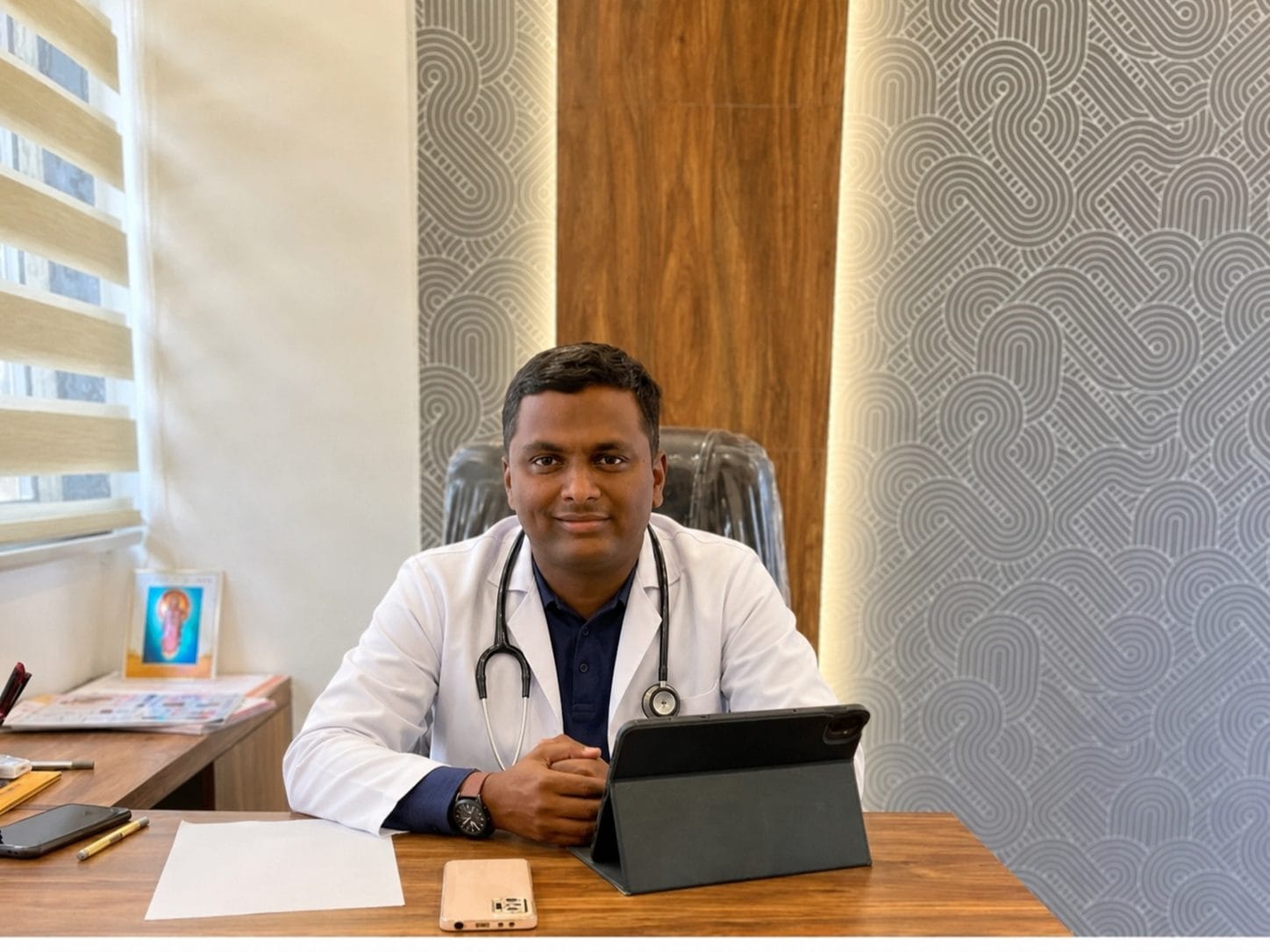
Medically reviewed by Dr. Shailesh Shamkant Phalle, BAMS, M.D. (Kayachikitsa) — Ayurvedic Physician & Panchakarma Specialist, Ayusanjivani Ayurveda Centre.
Written for patient education. This article does not replace an in-person consultation.
Quick Answer
A genuine ayurvedic Panchakarma treatment in Pune should be planned and supervised by a BAMS/MD-qualified Ayurvedic doctor, follow the classical Purvakarma → Pradhankarma → Paschatkarma sequence built around your individual Prakriti, and only include the specific procedures you actually need — Vamana, Virechana, Basti, Nasya, or Raktamokshana. Before booking a package anywhere, verify the doctor's registration, ask for a written, itemised treatment plan, and confirm hygiene and post-therapy diet guidance are included — not just the number of "days."
What Is Panchakarma?
Panchakarma ("pancha" = five, "karma" = action) is the classical Ayurvedic purification and rejuvenation protocol described in foundational texts such as the Charaka Samhita and Sushruta Samhita. It refers to five principal elimination procedures — Vamana, Virechana, Basti, Nasya, and Raktamokshana — carried out only after a preparatory phase of internal and external oleation (Snehana) and sudation (Swedana), and followed by a structured recovery diet (Paschatkarma). In classical Ayurveda, Panchakarma isn't a spa package; it's a graded medical protocol meant to remove vitiated doshas from the body through the route most appropriate for that dosha and condition.
If you've been searching for a dependable ayurvedic Panchakarma treatment in Pune, this guide walks you through exactly what to check before you commit — clinic standards, doctor qualifications, what each procedure actually does, and how package costs are realistically structured.
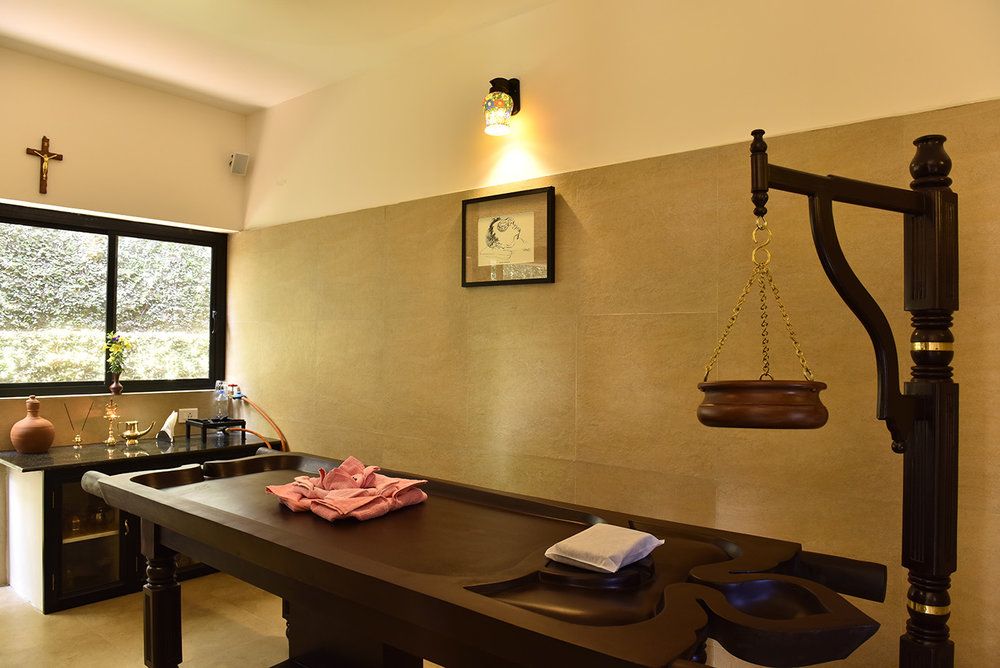
Why Pune Has Become a Panchakarma Hub
Pune's position as an education and healthcare hub — home to several BAMS colleges and a health-conscious, well-travelled population — has made it one of Maharashtra's most active markets for Panchakarma. That growth is good for access, but it also means the gap between a clinically supervised Panchakarma programme and a relaxation package marketed loosely as "Panchakarma" has widened across areas like Kharadi, Wagholi, Viman Nagar, and Kothrud. If you'd like the fuller classical breakdown of the concept before reading on, our detailed explainer on what Panchakarma actually involves covers the doshas, the three phases, and how a course is typically structured.
How to Compare a Panchakarma Clinic in Pune: A 7-Point Checklist
Most people comparing clinics end up comparing prices and Google ratings — but neither tells you whether the treatment is being administered safely or correctly. Here's what actually separates a serious, best Ayurvedic clinic in Pune-type establishment from a generic wellness centre using the word "Panchakarma" loosely.
- A qualified doctor examines you first. Not a front-desk questionnaire — an actual consultation with pulse diagnosis (Nadi Pariksha), history taking, and assessment of your Prakriti and Vikriti before any therapy is decided.
- The protocol is individualised, not a fixed package. If every visitor is offered the same "7-day Panchakarma package" regardless of complaint, that's a signal worth questioning.
- The three-phase structure is disclosed upfront. You should be told clearly what happens in Purvakarma, Pradhankarma, and Paschatkarma — not just "a course of massages."
- Hygiene and infrastructure meet basic clinical standards. The Ministry of AYUSH, through NABH, has published Gold-Leaf and Silver-Leaf infrastructure standards specifically for Panchakarma centres — covering therapy tables, single-use linen, ventilation, and waste disposal.
- Medicines are sourced transparently. Ask whether oils, decoctions, and Basti formulations are prepared in-house or sourced from a GMP-certified manufacturer.
- There is a plan for contraindications and emergencies. Procedures like Vamana and Virechana involve real physiological effects. A responsible clinic screens for pregnancy, uncontrolled diabetes, cardiac conditions, and recent surgery before proceeding.
- Aftercare doesn't end on the last day. A completed course should come with a written Pathya-Apathya (diet) plan and a follow-up window.
Genuine Clinic vs Red Flag: Quick Comparison
✔ Signs of a Genuine Clinic
- BAMS/MD doctor assesses you in person
- Written, individualised treatment plan
- Itemised pricing by procedure and duration
- Screens for BP, diabetes, pregnancy, medication
- Diet chart and follow-up after the course
✘ Red Flags to Watch For
- Only a therapist or sales counsellor assesses you
- Identical package offered to every visitor
- One flat price with no breakdown
- No health screening before booking
- Nothing offered after the last session
Why Doctor Supervision Is Non-Negotiable in Panchakarma
In India, a BAMS (Bachelor of Ayurvedic Medicine and Surgery) degree is a five-and-a-half-year programme, including a mandatory clinical internship, recognised by the National Commission for Indian System of Medicine (the regulatory successor to the CCIM). An MD/MS (Ayurveda) in Panchakarma or Kayachikitsa adds further specialised clinical training focused on these five procedures and their contraindications — a meaningfully different skill set from a wellness therapist trained in massage technique alone.
The distinction matters clinically, not just on paper. Deciding the correct dose and timing of Vamana or Virechana, recognising when Basti should be modified or postponed, and identifying who should not undergo Nasya or Raktamokshana at all — pregnancy, uncontrolled hypertension, or active bleeding disorders are common contraindications — requires clinical judgement that only a qualified Ayurvedic doctor is trained to make.
The Standard We Follow
The Ministry of AYUSH's push toward NABH accreditation for Panchakarma centres exists precisely because unsupervised or technician-only practice has historically been a weak point in the sector. At Ayusanjivani Ayurveda Centre, every Panchakarma plan — at either our Wagholi or Kharadi clinic — begins with a doctor consultation and is monitored by the doctor through the course, rather than handed entirely to therapy staff after the first visit.
The Core Panchakarma Procedures Explained
Panchakarma is not one treatment — it's a family of five distinct procedures, each targeting a different dosha and route of elimination.
Vamana — Therapeutic Emesis
A medically induced, controlled emesis procedure used to clear excess Kapha dosha, classically indicated for chronic bronchial asthma, certain skin disorders, and Kapha-dominant obesity. Performed only under direct doctor supervision after proper preparation.
Virechana — Therapeutic Purgation
Uses medicated purgatives to eliminate excess Pitta dosha through the bowel — commonly considered for chronic skin conditions, hyperacidity, and long-term lifestyle-disorder management.
Basti — Medicated Enema
Often called the most important procedure for Vata-related disorders — used for joint and spine conditions, chronic constipation, and general Vata pacification.
Nasya — Nasal Administration
Instilling medicated oils or powders through the nostrils to clear excess dosha in the head and neck region — used for chronic sinusitis, migraine, and certain ENT complaints.
Raktamokshana — Bloodletting Therapy
The classical blood-purification procedure, most commonly administered today as Jalaukavacharan (medicinal leech therapy) for localised skin and inflammatory conditions.
Purvakarma & Paschatkarma
The preparatory phase (Snehana oleation and Swedana sudation) and the post-treatment phase (structured diet and lifestyle guidance) that make the main procedure safe and effective — often skipped by non-clinical centres.
Supporting & Specialised Therapies
Beyond the five core procedures, many Panchakarma-based protocols include supportive therapies matched to specific conditions, added to — not used instead of — the core sequence, based on what your doctor identifies during consultation.
Janu Basti
A localised oil-retention therapy over the knee joint, widely used for knee osteoarthritis and joint pain.
Uttar Basti
A specialised Basti variant used to support women's reproductive health, including fertility-related concerns.
Navarakizhi
Medicated rice-bolus fomentation used to support joint and neuromuscular conditions alongside core Panchakarma.
Preconception Panchakarma Shodhan
A structured detox protocol for couples preparing for conception, built around the same purification principles.
Panchakarma Package Cost in Pune: What Actually Decides the Price
One of the most common questions we hear is simply: "what will it cost?" The honest answer is that there is no single fair price for Panchakarma treatment in Pune — costs vary meaningfully depending on what is actually included, and any clinic quoting a number without first assessing you should be treated with some caution.
Which Procedure(s) You Need
A single Nasya or Basti session costs far less than a full Vamana/Virechana course requiring days of preparatory Snehana and Swedana.
Duration of the Course
Short symptomatic courses are priced differently from a classical 7, 14, or 21-day residential programme.
OPD vs Residential (With Stay)
Centres offering in-house stay and monitoring during the course price this separately from daily outpatient visits.
Condition Complexity
Chronic, multi-system conditions usually need a longer, more closely monitored protocol than an acute, single-symptom complaint.
Medicine Quality & Quantity
The volume and grade of medicated oils, ghee, and decoctions used directly affects material cost.
Doctor Consultation & Follow-Up
Ongoing doctor review during the course — not just an intake consultation — is a service cost, and usually a sign of a more serious clinic.
Rather than comparing a single number across clinics, ask each one for an itemised quote that separates consultation, procedures, medicines, and any accommodation. For a deeper look at how Panchakarma pricing works nationally, see our dedicated page on Panchakarma treatment cost in India and AYUSH rate references.
Treatment Timeline: What to Expect
Every Panchakarma plan is individualised, but as a general guide:
- Single-symptom or maintenance protocols: A few sessions of Basti, Nasya, or Abhyanga-Swedana, often completed within 3–7 days.
- Standard purification course: A 7–14 day programme covering Purvakarma, one or two Pradhankarma procedures (such as Virechana or Basti), and Paschatkarma diet guidance.
- Full classical residential course: 14–21 days for chronic or multi-system conditions, typically combining several procedures under continuous doctor supervision.
Your exact protocol and duration will be discussed clearly during your first consultation, based on your condition, current health status, and constitution.
Panchakarma in Kharadi & Wagholi, Pune
Ayusanjivani Ayurveda Centre operates two clinics in Pune — in Wagholi and Kharadi — both following the same doctor-led assessment and treatment protocol described throughout this guide. Choosing between them usually comes down to which is more convenient for your daily commute during a multi-day Panchakarma course.
📍 Ayusanjivani — Kharadi
Full Panchakarma facilities, Basti therapy, and doctor consultation for joint, spine, digestive, and lifestyle conditions. Learn more about our Ayurvedic clinic in Kharadi and Panchakarma treatments in Kharadi, Pune.
Call Kharadi Clinic📍 Ayusanjivani — Wagholi
The same doctor-supervised Panchakarma protocols, extended to patients across Wagholi, Vadgaon Sheri, and the Nagar Road belt.
WhatsApp Wagholi ClinicBoth clinics follow the same treatment philosophy and are supervised directly by Dr. Phalle, ensuring consistent quality of care regardless of which location is more convenient for you.
Reviewed by Dr. Shailesh Shamkant Phalle
BAMS, M.D. (Kayachikitsa) — Ayurvedic Physician & Panchakarma Specialist, Ayusanjivani Ayurveda Centre, Kharadi & Wagholi, Pune.
This article is for general health education and does not replace an in-person medical evaluation. Panchakarma procedures carry contraindications and should only be undergone after assessment by a qualified Ayurvedic doctor.
Frequently Asked Questions
It depends entirely on the condition and procedure recommended. A single-symptom Nasya or Basti protocol may run a few days, while a classical purification course involving Vamana or Virechana with proper Purvakarma and Paschatkarma can extend to 7–21 days. A doctor sets the exact duration after assessment.
Many Panchakarma therapies can be adapted for people managing chronic conditions, but this must be decided by a qualified doctor after reviewing your current medication, recent test reports, and overall stability.
A wellness spa typically offers relaxation-focused oil massages without an individualised diagnosis. A clinical Panchakarma centre is led by a BAMS or MD Ayurvedic doctor and follows the classical Purvakarma, Pradhankarma, and Paschatkarma structure to address a diagnosed condition.
Most core Panchakarma procedures, including Basti, Vamana, and Virechana, are generally not administered during menstruation or pregnancy, though some gentle supportive therapies may be considered under strict medical guidance.
Ask for an itemised breakdown — consultation fee, per-procedure cost, medicine cost, number of days, and follow-up — and compare that breakdown across clinics rather than a single headline figure.
This depends on your dosha imbalance and condition. Kapha-dominant issues often respond to Vamana, Pitta-related conditions to Virechana, Vata disorders to Basti, head/ENT issues to Nasya, and localised skin conditions to Raktamokshana. A doctor consultation is required to determine this individually.
Yes, Ayusanjivani Ayurveda Centre offers the same doctor-led Panchakarma protocols at both our Kharadi and Wagholi clinics in Pune. Call +91 84323 29371 or message us on WhatsApp to book at your preferred location.