Lep Therapy in Ayurveda: Herbal Paste Treatment for Joint Pain & Skin Disorders
A complete, research-based guide to Lep Therapy in Ayurveda in what it is, how it's prepared, which joint and skin conditions it helps, and how to find the best Ayurvedic clinic in Pune to administer it correctly.
Clinics in Wagholi and Kharadi, Pune
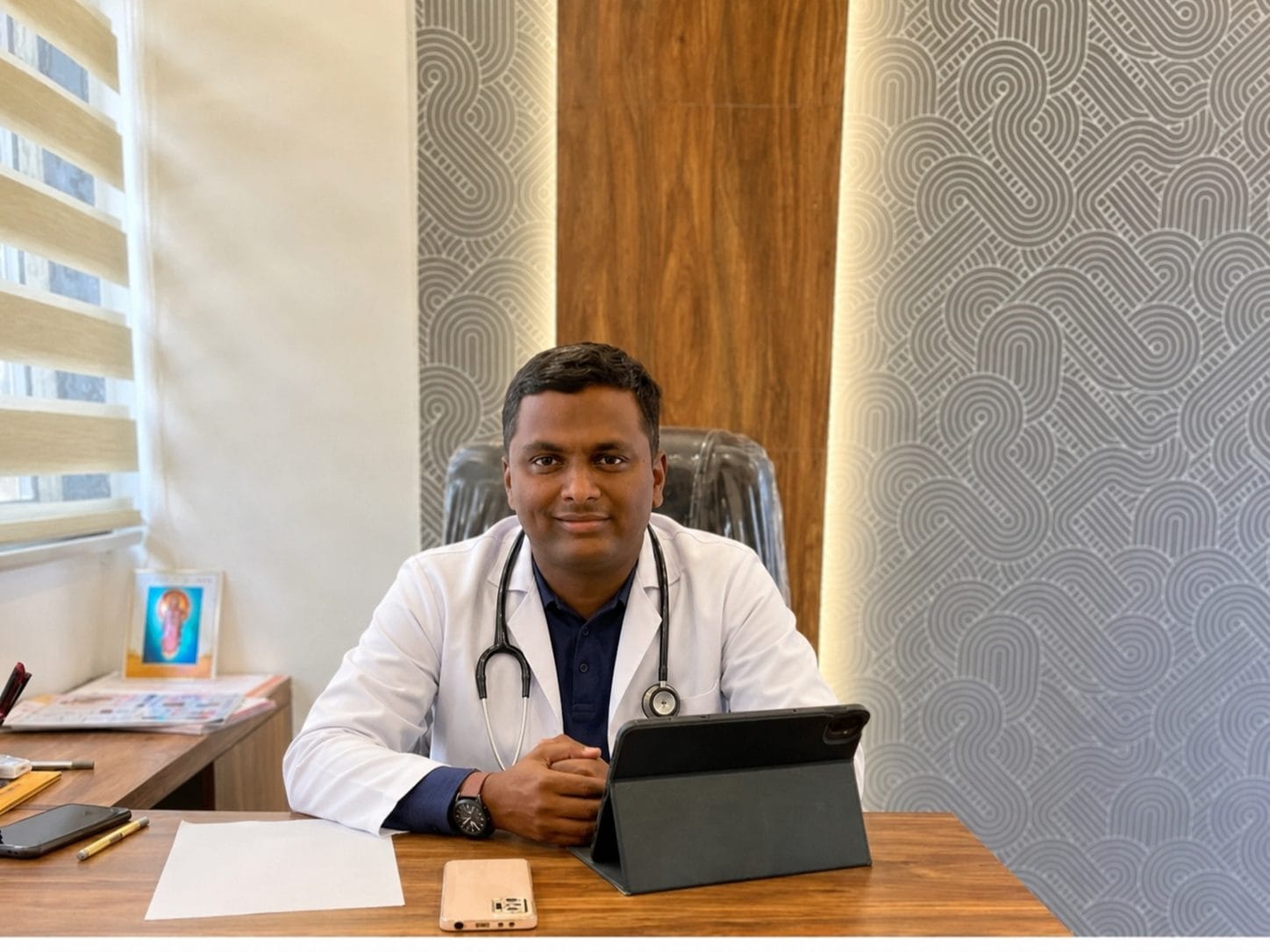
Medically reviewed by Dr. Shailesh Shamkant Phalle, BAMS, M.D. (Kayachikitsa) — Ayurvedic Physician, Ayusanjivani Ayurveda Centre.
Written for patient education. This article does not replace an in-person consultation.
Quick Answer
Lep Therapy (Lepa) is the classical Ayurvedic practice of applying a freshly prepared herbal paste directly onto the skin or a joint to relieve localised pain, swelling, and inflammatory skin conditions such as psoriasis, eczema, and vitiligo-related symptoms. It is categorised as an Upakarma (supporting external procedure) in Ayurveda, often used alongside or between Panchakarma courses. A genuinely effective Lep session depends on the paste being formulated fresh for your specific dosha and condition by a qualified doctor — not a pre-packaged, one-size-fits-all cream.
What Is Lep Therapy (Lepa) in Ayurveda?
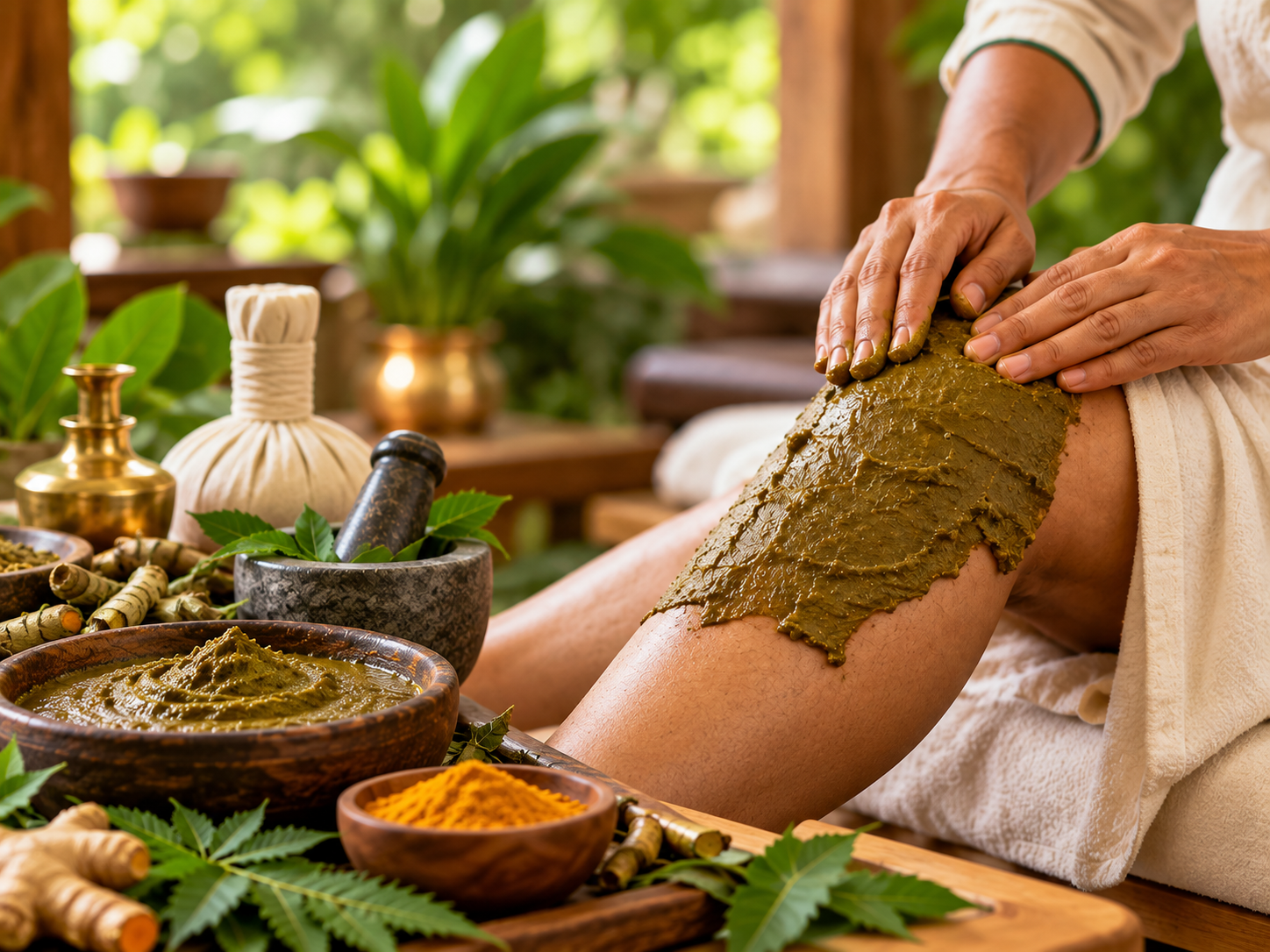
Lepa — also referred to as Lepam or Lep Therapy — is one of Ayurveda's oldest external treatment methods: a herbal paste, prepared fresh by grinding single herbs or herb combinations with a liquid medium (water, herbal juice, decoction, or medicated oil), applied directly onto the skin or an affected joint. The classical surgical text Sushruta Samhita describes Lepa in detail, even specifying its ideal thickness — compared to the thickness of moist buffalo hide, roughly 4–5 mm — and the exact direction of application (Pratiloma, against the direction of body hair growth) to improve absorption through the skin's micro-channels (Romakupa and Swedavahini Srotas).
Lepa is classified in Ayurveda as an Upakarma — a supporting external procedure, distinct from (but often used alongside) the five major Panchakarma procedures. Its core therapeutic actions, described classically, are threefold: Vedanasthapana (pain relief), Prahladana (soothing comfort), and Shodhana (cleansing) — which is why it remains widely used today for both localised joint pain and chronic skin disorders.
If you've been researching Lep Therapy in Ayurveda in Pune, this guide covers exactly what the therapy involves, which conditions it's classically indicated for, how a proper session should be conducted, and what questions to ask before choosing a clinic.
Why Pune Patients Are Searching for Lep Therapy
Pune's Ayurveda market has grown rapidly across Kharadi, Wagholi, Viman Nagar, and Kothrud, driven by a population increasingly looking for non-steroidal options for chronic skin conditions and drug-free alternatives for joint stiffness linked to long desk hours. Lep Therapy fits both needs well — it's low-risk when administered correctly, doesn't carry the long-term side effects associated with topical steroids, and can be combined with internal medicines and Panchakarma for more stubborn or chronic cases. That said, because Lepa is a simple-sounding procedure, it's also one that's easy for a clinic to perform poorly — using a stale, pre-mixed paste instead of a fresh, condition-specific one undermines most of its benefit.
Classical Types of Lepa
Not all Lepa is the same — classical texts classify it by its intended action, and a proper diagnosis determines which type is used for your condition.
Doshaghna Lepa
Formulated to pacify the specific aggravated dosha (Vata, Pitta, or Kapha) behind a joint or skin condition — the most commonly used category for chronic complaints.
Shothahara Lepa
Specifically anti-inflammatory pastes aimed at reducing localised swelling in joints affected by Sandhivata (osteoarthritis) or Amavata (rheumatoid arthritis).
Vranashodhana & Vranaropana Lepa
Wound-cleansing and wound-healing pastes used for ulcers, non-healing skin lesions, and post-procedure skin care.
Varnya Lepa
Complexion-correcting pastes traditionally used to even out skin tone and support conditions involving pigmentation changes.
Vishaghna Lepa
Classically described as detoxifying or anti-toxin pastes, used for insect bites, localised infections, and certain inflammatory skin reactions.
How a Lep Therapy Session Works
- Assessment: The doctor examines the affected joint or skin area, identifies the dominant dosha imbalance, and rules out contraindications (open wounds, active infection, known herb allergies).
- Herb selection and fresh preparation: The specific herbs are chosen for your condition and ground fresh with the appropriate liquid medium — water, herbal juice, decoction, or medicated oil — immediately before application. Classical texts are explicit that Lepa should never be prepared in advance or reused.
- Application: The paste is applied in the Pratiloma direction (against hair growth) at the classically described thickness, over the affected joint or skin area.
- Retention period: The paste is left on until it begins to dry — generally 20–40 minutes depending on the formulation — never left on overnight, as texts note that a fully dried, stale paste loses potency and can irritate the skin.
- Removal and aftercare: The dried paste is gently washed off with lukewarm water, and the area is kept free of a second layer applied over the first.
Classical Application Rules Worth Knowing
- Lepa should be prepared fresh for each session — never stored or reused
- It should not be applied at night, per classical texts
- It must never be layered over a previous, already-dried application
- Thickness and retention time are formulation-specific, not generic
Lep Therapy for Joint Pain
For joint and musculoskeletal conditions, Lepa is used as a targeted, localised anti-inflammatory and analgesic application, almost always alongside internal medicines and, where needed, Panchakarma procedures such as Basti.
Sandhivata (Osteoarthritis)
Warm, Vata-pacifying Lepa formulations are used over the knee or affected joint to ease stiffness and chronic pain. Read more about our broader osteoarthritis of the knee management approach.
Amavata (Rheumatoid Arthritis)
Anti-inflammatory, Ama-reducing pastes are used to manage swelling and tenderness during flare-ups, usually combined with internal Ama-Pachana medicines. See our dedicated rheumatoid arthritis treatment guide.
Vatarakta (Gouty Arthritis)
Cooling, Pitta-pacifying Lepa (using herbs like Sariva and Usheer) is classically preferred over warm formulations for gout-related joint inflammation. Learn more about Vatarakta treatment in Ayurveda.
Psoriatic Arthritis
Where joint inflammation accompanies psoriasis, Lepa protocols are coordinated between skin and joint-focused formulations. Read about our psoriatic arthritis treatment approach.
Lep Therapy for Skin Disorders
Lepa is one of the most frequently used external therapies in chronic skin disease management, since a correctly formulated paste can directly address itching, scaling, redness, and pigmentation changes at the local level, alongside internal Rakta-Shodhana (blood-purifying) treatment.
Psoriasis
Kapha-Pitta pacifying Lepa formulations help soothe plaque buildup, scaling, and localised inflammation. Explore our detailed psoriasis symptoms and treatment guide and how Panchakarma supports psoriasis management.
Eczema
Cooling, anti-inflammatory pastes are used to calm itching and dryness during flare-ups. See our complete Ayurvedic treatment for eczema page for the full protocol.
Vitiligo
Certain Varnya-category Lepa formulations are used as part of a broader, multi-therapy vitiligo protocol, alongside internal medicines. Read our vitiligo myths and facts guide for a realistic view of what Ayurvedic care can and cannot achieve for this condition.
Fungal & Other Chronic Skin Conditions
Antimicrobial and cleansing Lepa formulations support management of persistent fungal patches and related skin complaints. See our fungal infection treatment guide.
If you're unsure whether your condition is psoriasis, eczema, or something else, our comparison guide on psoriasis vs eczema walks through the key differences before you book a consultation.
Common Herbs Used in Lepa Formulations
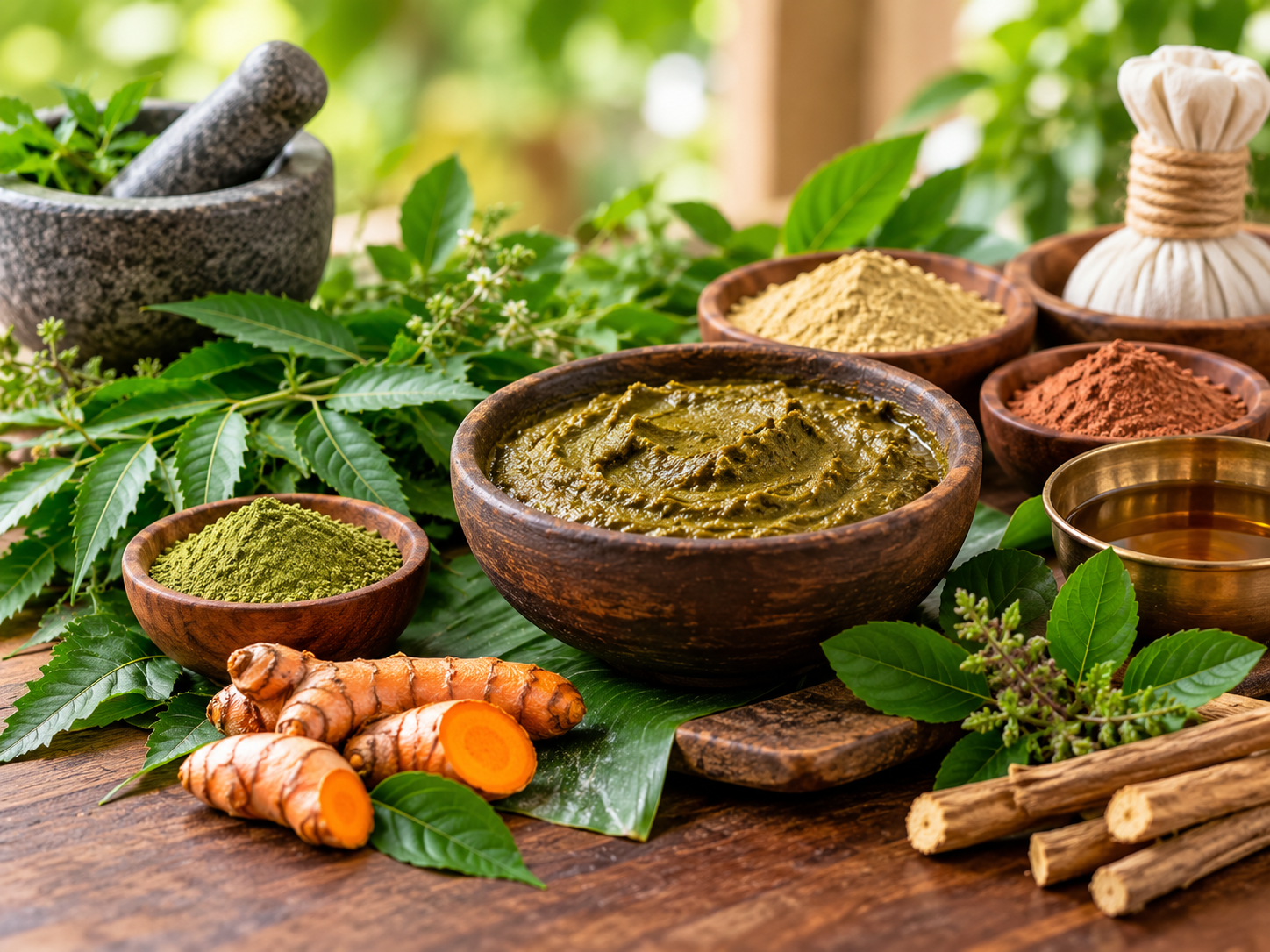
- Haridra (Turmeric): Anti-inflammatory and antimicrobial, widely used in both joint and skin formulations
- Nimba (Neem): A cornerstone of skin-disorder Lepa for its cleansing, antimicrobial action
- Manjistha (Rubia cordifolia): Blood-purifying herb used extensively in chronic skin disease Lepa
- Chandan (Sandalwood) & Rakta Chandan: Cooling agents used in Pitta-dominant skin and joint inflammation
- Khadira (Acacia catechu) & Daruharidra: Used in skin-cleansing and anti-inflammatory pastes
- Nirgundi & Rasna: Classical analgesic herbs used in Vata-pacifying Lepa for joint pain
- Erandmool (Castor root): A Vata-pacifying agent commonly used in joint-focused formulations
- Aloe Vera (Kumari): Soothing base used in Swarasa Lepa for burns and inflamed skin
Note: Herb selection, concentration, and liquid medium are decided case by case — using the wrong combination for your dosha type can aggravate rather than relieve symptoms, which is exactly why Lepa should be prescribed by a qualified doctor rather than self-administered from an over-the-counter product.
Lep Therapy vs Panchakarma: How They Fit Together
Lep Therapy is not a replacement for Panchakarma — the two work at different levels. Panchakarma is a systemic purification protocol (Vamana, Virechana, Basti, Nasya, Raktamokshana) aimed at removing vitiated doshas from the body as a whole, while Lepa is a localised, external Upakarma used to directly target a specific joint or skin area. In practice, the two are often combined: a patient with chronic psoriasis, for instance, may undergo a course of Virechana for systemic Pitta reduction, with Lepa applied locally to active plaques during and after the course. Similarly, joint conditions are often managed with Basti therapy for deeper Vata correction, alongside Lepa for immediate, localised pain relief. Your doctor will decide whether Lepa alone is sufficient or whether it should be paired with a broader Panchakarma protocol based on how chronic or systemic your condition is.
Pune Pricing Comparison: What Lep Therapy Typically Costs
Lep Therapy is generally one of the more affordable Ayurvedic external therapies, but cost still varies by clinic type, formulation complexity, and whether it's done as a standalone session or as part of a broader treatment package. Here's a general sense of how pricing is typically structured across Pune's Ayurveda market — always confirm exact, current pricing directly with a clinic rather than relying on a number you've seen online.
| Service Type | Typical Structure | What Affects the Price |
|---|---|---|
| Single Lep Therapy session (OPD) | Priced per sitting | Area treated, herb complexity, paste quantity |
| Lep Therapy as part of a joint-pain protocol | Bundled with Basti/Abhyanga over several days | Number of sessions, concurrent therapies, duration |
| Lep Therapy as part of a skin-disorder protocol | Multi-week course bundled with internal medicines | Condition chronicity, course length, follow-up visits |
| Lep Therapy combined with a Panchakarma course | Included within a 7–21 day residential/OPD package | Which Panchakarma procedures are included, OPD vs residential |
Exact pricing depends on your specific diagnosis and the formulation prescribed — the only reliable way to know your cost is a doctor consultation and an itemised quote.
When comparing clinics on price, be cautious of any centre quoting a flat Lepa rate without first examining you — herb cost, quantity, and session duration genuinely differ by condition. For a deeper look at how broader Panchakarma course pricing works in Pune, see our guide on Panchakarma treatment cost in India and AYUSH rate references.
Choosing the Best Ayurvedic Doctor in Pune for Lep Therapy
Because Lepa is a simple-looking procedure, it's one of the easiest therapies for a clinic to cut corners on. Here's what distinguishes a genuinely qualified setup from one just applying a generic cream.
✔ Signs of a Genuine Practice
- BAMS/MD doctor diagnoses your dosha imbalance before prescribing the formulation
- Paste is ground fresh in front of you or just before application
- A patch test is offered if you have sensitive skin or known allergies
- Herbs and their source are explained on request
- Lepa is positioned as one part of a broader, individualised plan
✘ Red Flags to Watch For
- A single, pre-mixed "Ayurvedic cream" is used for every patient regardless of condition
- No assessment of skin type, allergy history, or dosha imbalance
- No willingness to explain what's in the paste
- Promises of guaranteed, permanent results without any examination
- Hygiene concerns — reused tools, unclean application surfaces
Searching for the best Ayurvedic doctor in Pune for Lep Therapy comes down to the same fundamentals as choosing any Ayurvedic treatment provider: a real consultation, a formulation tailored to you, and transparency about what's being applied to your skin or joint.
Lep Therapy in Kharadi & Wagholi, Pune
Ayusanjivani Ayurveda Centre offers doctor-prescribed Lep Therapy across both our Pune clinics, as part of individualised joint-pain and skin-disorder protocols — never as a standalone, pre-packaged product.
📍 Ayusanjivani — Kharadi
Full Lep Therapy, Panchakarma, and skin/joint consultation facilities. Learn more about our Ayurvedic clinic in Kharadi and our Panchakarma treatments in Kharadi, Pune — widely considered among the best Ayurvedic clinic in Pune options for combined skin and joint care.
Call Kharadi Clinic📍 Ayusanjivani — Wagholi
The same doctor-led Lep Therapy and skin/joint protocols, extended to patients across Wagholi, Vadgaon Sheri, and the Nagar Road belt.
WhatsApp Wagholi ClinicBoth clinics are supervised directly by Dr. Phalle, so you get the same standard of care at whichever location is more convenient.
Reviewed by Dr. Shailesh Shamkant Phalle
BAMS, M.D. (Kayachikitsa) — Ayurvedic Physician, Ayusanjivani Ayurveda Centre, Kharadi & Wagholi, Pune.
This article is for general health education and does not replace an in-person medical evaluation. Lep Therapy formulations carry individual contraindications (including allergies) and should only be used after assessment by a qualified Ayurvedic doctor.
Frequently Asked Questions
Not quite. A commercial cream is pre-manufactured and identical for every buyer. Classical Lepa is ground fresh for each patient, using a herb combination and liquid medium matched to their specific dosha imbalance and condition — the individualisation is the core of its therapeutic logic.
This depends entirely on the condition. Acute joint pain may respond within a handful of sessions, while chronic skin disorders like psoriasis or vitiligo typically require a longer course combined with internal medicines, assessed and adjusted by your doctor over time.
Many patients use Lep Therapy alongside dermatologist-prescribed treatment. Always inform both your treating doctors of what the other has prescribed, particularly if you're using topical steroids, so your Ayurvedic doctor can plan the formulation and timing accordingly.
A responsible clinic will ask about your allergy history and may suggest a patch test before full application, particularly if you have known sensitivities. This is one of the key questions to ask before starting treatment at any clinic.
Certain Varnya-category Lepa formulations may be included as part of a broader, multi-therapy vitiligo protocol alongside internal medicines, but results vary significantly by individual and extent of the condition. A realistic discussion with your doctor about what to expect is essential before starting.
A single session is generally one of the more affordable Ayurvedic external therapies, while a full joint-pain or skin-disorder protocol bundling Lepa with other therapies is priced as a course. Exact cost depends on your condition and formulation — ask for an itemised quote after consultation.
Yes, Ayusanjivani Ayurveda Centre offers doctor-prescribed Lep Therapy at both our Kharadi and Wagholi clinics in Pune. Call +91 84323 29371 or message us on WhatsApp to book at your preferred location.