After Panchakarma: What Patients Should Clarify About Diet, Rest, Follow-Up and Return to Routine
Most people research their ayurvedic Panchakarma treatment in Pune carefully — and then leave the clinic with almost no clarity on what happens next. This guide covers exactly what to ask before you go home, from Kharadi and Wagholi, Ayusanjivani Ayurveda Centre.
Clinics in Wagholi and Kharadi, Pune
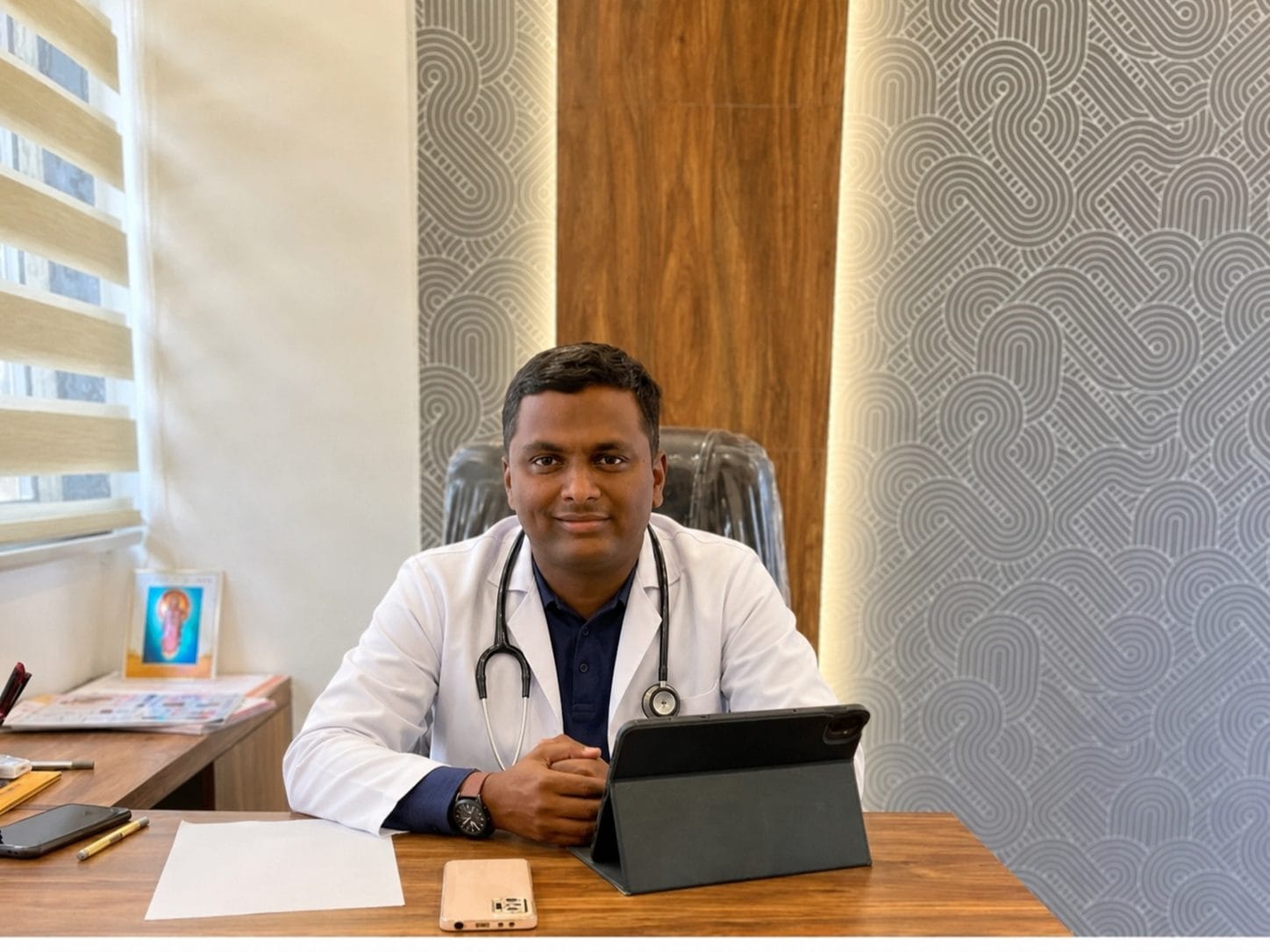
Medically reviewed by Dr. Shailesh Shamkant Phalle, BAMS, M.D. (Kayachikitsa) — Ayurvedic Physician & Panchakarma Specialist, Ayusanjivani Ayurveda Centre.
Written for patient education. This article does not replace an in-person consultation.
Quick Answer
After Panchakarma, the single most important thing to clarify before leaving the clinic is your Samsarjana Krama — the written, day-by-day diet reintroduction plan (starting with thin rice gruel and gradually returning to normal food over roughly 1–2 weeks). Alongside this, ask for clear guidance on rest and activity restrictions, which medicines to continue, when your follow-up review is scheduled, and which warning signs should prompt an immediate call. A genuine ayurvedic Panchakarma treatment in Pune provider will give you this in writing — not just verbally on your way out.
Why the Days After Panchakarma Matter as Much as the Treatment Itself
Most people planning an ayurvedic Panchakarma treatment in Pune research the clinic, the doctor, and the procedures carefully — Vamana, Virechana, Basti, Nasya, Raktamokshana — but give almost no thought to what happens after the last session. This is a mistake classical Ayurveda explicitly warns against. Panchakarma doesn't just remove excess dosha; it resets your digestive fire (Agni) to a fragile, highly sensitive state. Ayurvedic texts describe this post-treatment digestive system as being almost as delicate as a newborn's — able to absorb nourishment efficiently, but just as able to absorb whatever is put into it, good or bad.
This is why classical Ayurveda treats Paschatkarma (post-treatment care) as a formal, non-optional phase of Panchakarma — not an afterthought once the "real" treatment is done. Rushing back to a normal diet, skipping rest, or ignoring follow-up can genuinely undo the benefit of the procedures you just invested time and money in.
Understanding Paschatkarma: The Often-Skipped Third Phase
A complete Panchakarma protocol has three phases: Purvakarma (preparatory oleation and sudation), Pradhankarma (the main procedure — Vamana, Virechana, Basti, Nasya, or Raktamokshana), and Paschatkarma (structured post-treatment recovery). Many patients — and unfortunately some clinics — treat the day the main procedure finishes as the end of treatment. In classical Ayurveda, Paschatkarma is considered just as clinically important as the procedure itself, because it determines whether the gains made during Pradhankarma are retained or lost.
If you'd like the fuller classical breakdown of all three phases before reading on, our detailed explainer on what Panchakarma actually involves covers this in more depth.
Samsarjana Krama: The Graduated Diet You Must Follow
Samsarjana Krama is the classical, staged diet plan followed after procedures like Vamana and Virechana in particular, though a milder version is relevant after Basti and Nasya too. The principle is simple: move from very light, easily digestible food toward normal meals in careful stages, rather than all at once. Classical texts are direct about this — skipping or shortening this phase can, in some cases, leave a patient more unwell than before the treatment, because a freshly reset digestive system absorbs everything with unusual efficiency.
While your doctor will personalise the exact duration and food choices to your constitution and the procedure performed, the general structure most patients are guided through looks like this:
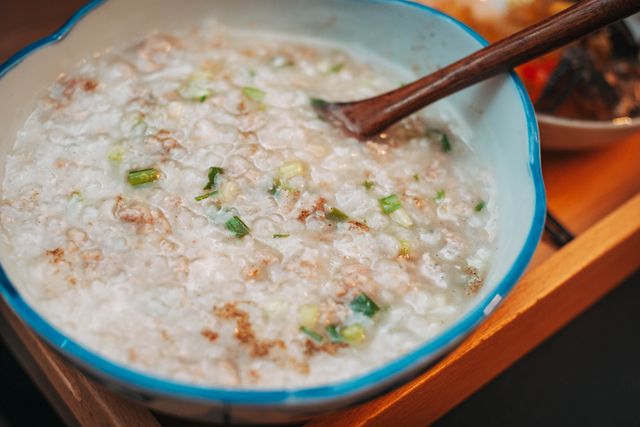
Peya (Thin Rice Gruel)
A thin, watery rice preparation, often with a small amount of ghee. This is the lightest stage, designed to gently reawaken digestion without overloading it.
Vilepi (Thicker Porridge)
A slightly thicker rice porridge, still simple and mildly spiced, marking a small step up in density and effort required to digest.
Yusha & Soft-Cooked Dal
Light lentil soups (Yusha), soft-cooked moong dal, and mild vegetable preparations are introduced as digestion continues to strengthen.
Gradual Return to Normal Food
Cooked vegetables, simple whole foods, and regular meals are reintroduced slowly, with ghee often recommended to support ongoing gut healing.
The exact pace depends on how your body responds and your physician's assessment — some patients move through these stages faster, others need more time. This is precisely why a written, personalised diet chart from your ayurvedic Panchakarma treatment in Pune provider matters more than a generic printed handout.
Foods and Habits to Avoid During Recovery
The most common mistake in post-Panchakarma care is returning to heavy, oily, cold, or processed food too quickly. This can trigger digestive discomfort or undo the benefit of the treatment altogether.
✔ Generally Encouraged
- Warm, freshly cooked, lightly spiced meals
- Small quantities of ghee as digestion strengthens
- Warm water or herbal teas through the day
- Regular meal timings, eaten slowly and mindfully
- Following the exact diet chart your doctor gives you
✘ Best Avoided During Recovery
- Cold, refrigerated, or carbonated drinks
- Fried, oily, heavy, or processed food
- Raw salads and stale or reheated meals
- Excess tea, coffee, or sugary snacks
- Skipping meals or eating at irregular hours
Rest, Activity & Lifestyle Guidelines After Panchakarma
Diet is only one half of Paschatkarma. Classical Ayurveda is equally specific about rest and daily conduct in the days following treatment, since the goal is to let the body consolidate the benefits of the procedure rather than immediately place fresh demands on it.
- Prioritise rest over exertion: Avoid strenuous physical activity, heavy lifting, or intense exercise until your doctor clears you.
- Protect against extremes: Avoid prolonged exposure to strong sun, wind, or cold — the body is more sensitive to environmental stress during this window.
- Sleep and wake on a regular schedule: Irregular sleep timing aggravates Vata, which is already in a heightened state after most Panchakarma procedures.
- Limit long-distance travel: Especially avoid travel by air or long road journeys in the first few days, unless specifically discussed with your doctor.
- Avoid unnecessary stress and overstimulation: This includes minimising excessive screen time, loud environments, and emotionally taxing conversations where possible.
- Keep the treated area (for Kati Basti, Nasya, or Netra Tarpan) protected: Avoid washing or exposing the area to cold water immediately after certain localised therapies, as advised by your doctor.
Aftercare for Each Procedure
While the general Paschatkarma principles above apply broadly, each Panchakarma procedure has specific aftercare points worth clarifying with your doctor before you leave.
After Vamana
Strict Samsarjana Krama is essential here. Mild weakness, throat dryness, or light-headedness in the first day is common and expected — ask your doctor what's normal versus what needs a call.
After Virechana
Expect several bowel movements on the day of the procedure itself. Rehydration and the graduated diet are the priority for the following week.
After Basti
Mild fatigue or a change in bowel pattern for a day or two is common. Warm, easily digestible food and adequate rest support faster settling.
After Nasya
Avoid cold water on the head/face and direct fan or AC exposure for the rest of the day. Mild sneezing or watering of the eyes immediately after is normal.
After Raktamokshana
Keep the treated site clean and dry as instructed. Mild bruising or itching at the site can occur — ask what's expected versus what needs review.
After Netra Tarpan
Mild blurring of vision for a short period after the procedure is expected. Avoid rubbing the eyes, screens in bright light, and direct wind exposure for the rest of the day.
Questions to Ask Before You Leave the Clinic
Regardless of which procedure you've had, these are the questions worth asking directly — a genuine clinic will answer all of them clearly and, ideally, in writing.
- Can I have a written, day-by-day diet chart rather than verbal instructions?
- Exactly how many days should I follow each phase of the diet?
- Which medicines should I continue, and for how long?
- Are there specific activity, travel, or exposure restrictions for my case?
- When is my follow-up review, and how is it scheduled?
- Who do I contact, and how, if something feels wrong after hours?
- What symptoms would be considered normal versus symptoms I should report immediately?
Follow-Up: What a Genuine Clinic Should Offer
Panchakarma aftercare shouldn't end the moment you walk out the door. A responsible ayurvedic Panchakarma treatment in Pune provider typically builds a follow-up structure into the treatment itself, not as an optional add-on.
What This Should Look Like
A short check-in call or message within the first 48–72 hours to confirm the diet transition is going smoothly, a scheduled in-person or telephonic review once Samsarjana Krama is complete, and a clear point of contact if anything feels off in between. At Ayusanjivani Ayurveda Centre, this follow-up structure is built into every Panchakarma plan at both our Kharadi and Wagholi clinics, supervised directly by Dr. Phalle.
Returning to Work, Exercise & Travel: A Realistic Timeline
Every case is different, but as a general guide most patients can expect:
- Light desk work: Often resumable within 1–2 days for milder procedures like Nasya, or after the acute phase settles for Vamana/Virechana — confirm with your doctor first.
- Physical exertion and gym-based exercise: Generally avoided for the duration of Samsarjana Krama (roughly 7–14 days), then reintroduced gradually.
- Yoga and gentle movement: Usually introduced once the acute recovery phase has passed, and only in a form your doctor considers appropriate for your case.
- Long-distance or international travel: Best postponed until your Paschatkarma phase and follow-up review are complete, especially after Vamana or Virechana.
These are general patterns, not fixed rules — your exact timeline should be confirmed at your follow-up review, based on how your recovery is actually progressing.
Common Mistakes Patients Make After Panchakarma
- Returning to heavy, oily, or restaurant food within the first few days
- Skipping the scheduled follow-up because symptoms have already improved
- Resuming intense exercise or travel before the recovery phase is complete
- Self-medicating with over-the-counter products instead of contacting the clinic
- Treating the printed diet chart as optional once they start feeling "back to normal"
- Not disclosing pre-existing conditions or new symptoms at the follow-up visit
Warning Signs That Need Immediate Attention
Contact Your Clinic or Seek Medical Care Promptly If You Notice:
- Severe or worsening abdominal pain, rather than mild, expected discomfort
- High fever, persistent vomiting, or diarrhoea beyond what your doctor described as normal
- Unusual bleeding, fainting, or extreme weakness
- Signs of infection at a treatment site (increasing redness, warmth, or discharge)
- Any symptom that feels significantly different from what you were told to expect
Ayusanjivani Ayurveda Centre: Kharadi & Wagholi, Pune
Whether you're currently undergoing treatment or planning your first ayurvedic Panchakarma treatment in Pune, both our clinics follow the same doctor-supervised protocol — including the Paschatkarma and follow-up structure covered in this guide.
📍 Ayusanjivani — Kharadi
Full Panchakarma facilities with doctor-led diet planning and follow-up. Learn more about our Ayurvedic clinic in Kharadi and Panchakarma treatments in Kharadi, Pune.
Call Kharadi Clinic📍 Ayusanjivani — Wagholi
The same doctor-supervised Panchakarma and aftercare protocols, extended to patients across Wagholi and the Nagar Road belt.
WhatsApp Wagholi Clinic
Reviewed by Dr. Shailesh Shamkant Phalle
BAMS, M.D. (Kayachikitsa) — Ayurvedic Physician & Panchakarma Specialist, Ayusanjivani Ayurveda Centre, Kharadi & Wagholi, Pune.
This article is for general health education and does not replace an in-person medical evaluation. Post-Panchakarma diet and activity plans should always be personalised by a qualified Ayurvedic doctor based on your specific procedure and health status.
Frequently Asked Questions
Most patients follow a graduated diet (Samsarjana Krama) for at least 7 days, with a full return to normal food often taking up to two weeks. The exact duration depends on the procedure performed and how your digestion responds, so always confirm the specific timeline with your doctor.
It depends on the procedure and your role. Light desk work is often possible within a day or two after milder therapies, but physically demanding work or high-stress roles may need a longer recovery window — this should be discussed at discharge, not assumed.
Mild tiredness for a day or two is commonly reported after procedures like Vamana or Virechana, as the body redirects energy toward recovery. Persistent or worsening weakness, however, should be reported to your doctor rather than assumed to be normal.
A single lapse usually isn't a medical emergency, but it can cause temporary digestive discomfort. Mention it at your next check-in so your doctor can advise whether to adjust your diet plan, rather than trying to self-correct.
A scheduled follow-up is recommended even if you feel fine, since it lets your doctor confirm the diet transition went smoothly and adjust any ongoing medicines. Calling only when a problem arises means issues are caught later rather than prevented early.
Generally not immediately. Most protocols recommend avoiding strenuous exercise through the Samsarjana Krama period, with gentle yoga reintroduced gradually once your doctor confirms your recovery is on track.
Yes — Netra Tarpan involves specific eye-care precautions such as avoiding bright screens, wind exposure, and eye rubbing for the rest of the day, which don't apply to procedures like Basti or Virechana. Always ask for procedure-specific instructions rather than assuming general Panchakarma aftercare covers everything.