What is PMOS? Symptoms, Causes, Diagnosis & Treatment :
Introduction :
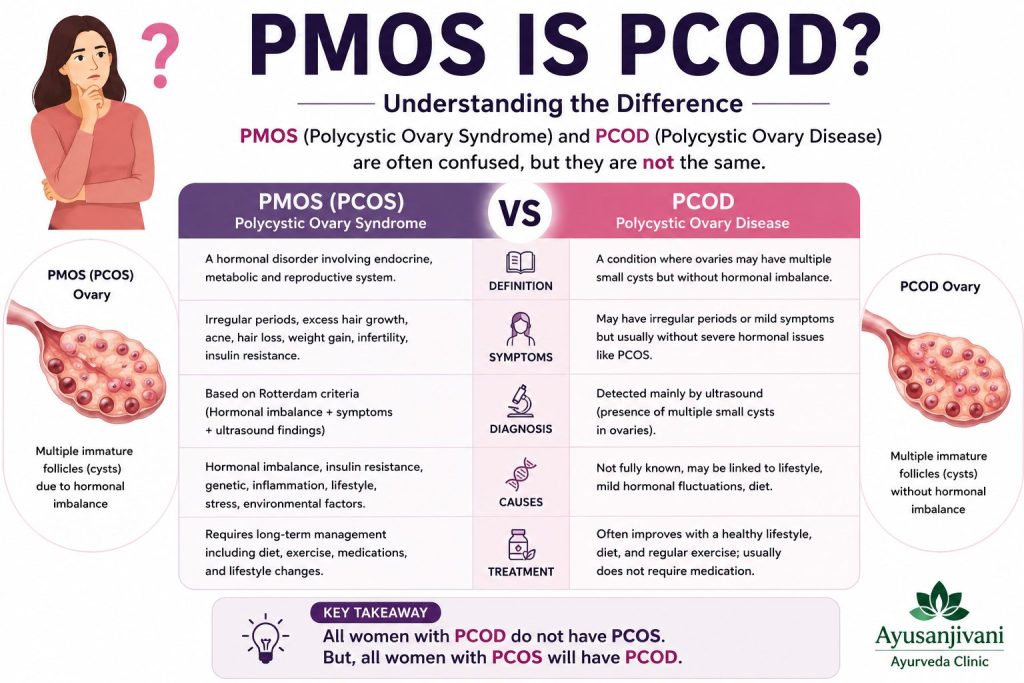
PMOS is one of the most common hormonal disorders affecting women of reproductive age. Although many women search for the term PMOS, the medical condition is commonly known as Polycystic Ovary Syndrome (PCOS). This condition affects the ovaries, menstrual cycle, fertility, metabolism, skin, hair, and overall hormonal health.
The prevalence of PMOS is increasing globally due to changing lifestyles, poor dietary habits, stress, obesity, and insulin resistance. Many women remain undiagnosed for years because they consider irregular periods, acne, or weight gain as normal problems rather than signs of a hormonal disorder.
PMOS is not just a gynecological condition. It is a metabolic and endocrine disorder that can affect multiple body systems. Early diagnosis and proper management can help prevent long-term complications such as infertility, diabetes, obesity, and cardiovascular disease.
Understanding the Female Reproductive System :
To understand PMOS, it is important to know how a normal menstrual cycle functions.
Every month, the brain releases hormones that stimulate the ovaries to develop follicles. One follicle becomes dominant and releases an egg during ovulation. After ovulation, hormonal changes prepare the uterus for a possible pregnancy.
In women with PMOS:
- Ovulation becomes irregular or absent.
- Hormonal imbalance develops.
- Multiple immature follicles remain in the ovaries.
- Menstrual cycles become irregular.
This hormonal disturbance creates a chain reaction that affects fertility, metabolism, skin, hair, and body weight.
What Causes PMOS?
The exact cause of PMOS remains unclear. However, researchers believe several factors contribute to its development.
1. Insulin Resistance :
we can see Insulin resistance is one of the most important contributors to PMOS disorders .
Though Insulin is a hormone that helps glucose enter cells for energy production. When cells become resistant to insulin:
- Blood sugar levels rise.
- The pancreas produces more insulin.
- Excess insulin stimulates the ovaries to produce more androgens.
- Ovulation becomes disrupted.
High insulin levels also encourage fat storage and make weight loss difficult.
Studies suggest that more than half of women with PMOS may have insulin resistance.
2. Hormonal Imbalance :
Women with PMOS often have elevated levels of androgen hormones.
These hormonal changes may lead to:
- Irregular periods
- Acne
- Facial hair growth
- Hair thinning
- Ovulation problems
An imbalance between estrogen, progesterone, LH, and insulin further worsens symptoms.
3. Genetic Predisposition :
PMOS often runs in families.
Women are more likely to develop PMOS if:
- Mother has PMOS
- Sister has PMOS
- Close relatives have diabetes or metabolic disorders
Genetic factors influence hormone production and insulin sensitivity.
4. Chronic Inflammation :
Low-grade chronic inflammation is commonly seen in women with PMOS.
Inflammation may contribute to:
- Increased androgen production
- Insulin resistance
- Weight gain
- Cardiovascular risks
Inflammatory markers are often elevated in women suffering from PMOS.
5. Lifestyle and Environmental Factors :
Several lifestyle habits may worsen PMOS symptoms:
- Lack of physical activity
- Excessive intake of processed foods
- High sugar consumption
- Poor sleep quality
- Stress
- Obesity
While these factors may not directly cause PMOS, they can significantly aggravate the condition.
Common Symptoms of PMOS :
Symptoms vary considerably among women. Some experience only menstrual irregularities, while others face severe metabolic and fertility-related complications.
Irregular Menstrual Cycles:
One of the hallmark signs of PMOS is menstrual irregularity.
Symptoms include:
- Delayed periods
- Missed periods
- Scanty menstruation
- Heavy bleeding
- Menstrual cycles longer than 35 days
Irregular ovulation is usually responsible for these changes.
Weight Gain :
Many women with PMOS struggle with weight management.
Common issues include:
- Abdominal obesity
- Increased waist circumference
- Difficulty losing weight
- Slow metabolism
Insulin resistance plays a major role in weight gain.
Acne and Oily Skin :
Excess androgen hormones stimulate sebaceous glands, leading to:
- Persistent acne
- Oily skin
- Acne scars
- Adult acne
Many women continue experiencing acne well beyond their teenage years.
Excessive Hair Growth :
High androgen levels may cause hirsutism.
Common areas affected include:
- Chin
- Upper lip
- Chest
- Abdomen
- Back
This can significantly impact self-confidence.
Hair Loss :
PMOS may lead to:
- Hair thinning
- Reduced hair density
- Excessive hair fall
- Female pattern hair loss
Hair loss often occurs due to androgen sensitivity.
Difficulty Conceiving :
PMOS /PCOS is one of the leading causes of infertility.
Women may experience:
- Delayed ovulation
- Absence of ovulation
- Poor egg maturation
- Difficulty achieving pregnancy
Dark Skin Patches :
Some women develop dark pigmentation around:
- Neck
- Underarms
- Groin
- Elbows
This condition, called acanthosis nigricans, is often associated with insulin resistance.
Psychological Impact of PMOS :
The effects of PMOS extend beyond physical symptoms.
Many women experience:
- Anxiety
- Depression
- Low self-esteem
- Mood swings
- Body image concerns
Emotional health should be an important part of PMOS management.
How is PMOS Diagnosed?
Diagnosis involves a combination of symptoms, investigations, and ultrasound findings.
Medical History :
Doctors evaluate:
- Menstrual pattern
- Weight changes
- Fertility concerns
- Family history
- Skin and hair symptoms
Hormonal Tests :
Common investigations include:
- LH
- FSH
- Testosterone
- DHEAS
- Estradiol
- Progesterone
- Prolactin
Thyroid Profile :
Thyroid disorders can mimic PMOS symptoms.
Recommended tests include:
- TSH
- Free T3
- Free T4
Metabolic Evaluation :
Assessment includes:
- Fasting blood sugar
- HbA1c
- Fasting insulin
- Lipid profile
Ultrasound Examination :
Ultrasound may reveal:
- Enlarged ovaries
- Multiple immature follicles
- Polycystic ovarian appearance
Long-Term Health Risks of PMOS :
If untreated, PCOS may increase the risk of several chronic conditions.
Type 2 Diabetes :
Persistent insulin resistance increases the risk of diabetes.
Obesity :
Weight gain often worsens hormonal imbalance and metabolic dysfunction.
High Cholesterol :
Women with PCOS may have elevated cholesterol and triglyceride levels.
Heart Disease :
PCOS is associated with increased cardiovascular risk factors.
Endometrial Disorders :
Irregular periods can increase the risk of:
- Endometrial thickening
- Endometrial hyperplasia
- Endometrial cancer
Fertility Problems :
Untreated PCOS may continue affecting reproductive health and pregnancy outcomes.
Goals of PMOS Treatment :
The primary objectives of PCOS treatment include:
- Restoring regular menstrual cycles
- Improving ovulation
- Enhancing fertility
- Reducing insulin resistance
- Managing body weight
- Reducing acne and unwanted hair growth
- Improving metabolic health
- Preventing long-term complications
- Supporting emotional well-being
A personalized treatment approach generally provides the best outcomes.
Importance of Weight Management in PMOS :
Weight gain is one of the most common concerns among women with PCOS. Excess body fat can worsen insulin resistance and increase androgen production, creating a vicious cycle that aggravates symptoms.
Studies suggest that losing even 5–10% of body weight can significantly improve hormonal balance, ovulation, fertility, and menstrual regularity.
Benefits of healthy weight reduction include:
- Better insulin sensitivity
- Improved reproductive function
- Lower androgen levels
- Reduced inflammation
- Enhanced energy levels
- Better cardiovascular health
The goal should be sustainable lifestyle changes rather than rapid weight loss.
PMOS Diet Plan: Foods That Support Hormonal Balance :
Nutrition plays a critical role in managing PMOS. A balanced diet can help regulate blood sugar levels, reduce inflammation, improve insulin sensitivity, and support reproductive health.
High-Fiber Foods :
Fiber slows glucose absorption and helps maintain stable blood sugar levels.
Examples include:
- Oats
- Whole wheat
- Barley
- Millets
- Lentils
- Chickpeas
- Kidney beans
Fresh Vegetables :
Vegetables provide essential vitamins, minerals, antioxidants, and fiber.
Recommended choices:
- Spinach
- Fenugreek leaves
- Broccoli
- Cabbage
- Bottle gourd
- Ridge gourd
- Cucumber
Fruits :
Choose fruits with a relatively lower glycemic load.
Examples:
- Apple
- Guava
- Pear
- Orange
- Pomegranate
- Berries
Healthy Proteins :
Protein supports satiety and helps regulate blood sugar.
Sources include:
- Moong dal
- Sprouts
- Paneer
- Tofu
- Eggs
- Fish
Healthy Fats :
Healthy fats support hormone production and reduce inflammation.
Examples:
- Almonds
- Walnuts
- Flaxseeds
- Pumpkin seeds
- Olive oil
Foods to Avoid in PMOS :
Certain foods may worsen insulin resistance and hormonal imbalance.
Avoid or minimize:
- Refined sugar
- Sugary beverages
- White bread
- Cakes and pastries
- Processed snacks
- Fast food
- Excessive fried foods
- Refined flour products
Reducing processed food intake often produces noticeable improvements in symptoms.
Exercise for PMOS :
Physical activity is one of the most effective natural interventions for PCOS.
Benefits include:
- Weight control
- Improved insulin sensitivity
- Better hormonal regulation
- Enhanced fertility
- Reduced stress
Walking :
Brisk walking for 30–45 minutes daily can significantly improve metabolic health and support weight management.
Strength Training :
Resistance exercises help increase muscle mass and improve insulin sensitivity.
Aim for two to four sessions weekly.
Yoga :
Yoga can support hormonal balance and reduce stress.
Commonly recommended practices include:
- Surya Namaskar
- Bhujangasana
- Baddha Konasana
- Setubandhasana
Cycling and Swimming :
These are excellent cardiovascular exercises that help improve fitness and support healthy weight management.
Ayurvedic Understanding of PMOS :
According to Ayurveda, PCOS may be associated with imbalances involving Kapha Dosha, Vata Dosha, Meda Dhatu, and Artava Dhatu.
Factors contributing to PCOS from an Ayurvedic perspective include:
- Impaired digestion (Agnimandya)
- Accumulation of Ama (toxins)
- Kapha aggravation
- Disturbed reproductive tissue metabolism
Ayurveda aims to address these root imbalances through dietary modifications, lifestyle correction, herbal support, and Panchakarma therapies.
Ayurvedic Treatment Principles for PMOS :
Ayurvedic management focuses on:
- Improving digestive strength
- Correcting metabolic dysfunction
- Balancing doshas
- Supporting ovulation
- Enhancing reproductive health
- Managing body weight
- Reducing stress
Treatment is always individualized according to the patient’s constitution and symptom profile.
Panchakarma Therapies for PMOS :
Panchakarma therapies may help support detoxification and hormonal balance when prescribed appropriately.
Vamana :
Vamana is a therapeutic purification procedure used in selected Kapha-dominant conditions.
Potential benefits include:
- Reduction of excess Kapha
- Support for weight management
- Improved metabolism
Virechana :
Virechana is often utilized for metabolic and hormonal disorders.
Benefits may include:
- Detoxification
- Improved digestion
- Hormonal regulation
- Better liver function
Basti Therapy :
Basti is considered one of the most important therapies for balancing Vata Dosha.
Potential benefits include:
- Menstrual regulation
- Improved reproductive health
- Hormonal balance
Uttar Basti :
In selected infertility-related cases, Uttar Basti may be considered under expert supervision.
Potential benefits include:
- Reproductive system support
- Fertility enhancement
- Improved uterine health
Herbal Support in PMOS :
Various Ayurvedic herbs have traditionally been used to support women’s reproductive and hormonal health.
Commonly utilized herbs include:
- Shatavari
- Ashoka
- Lodhra
- Guduchi
- Triphala
- Kumari (Aloe Vera)
- Gokshura
Herbal medicines should always be prescribed by a qualified Ayurvedic practitioner.
PMOS and Fertility :
Irregular ovulation is one of the leading causes of infertility in women with PCOS.
The encouraging news is that many women successfully conceive after appropriate treatment and lifestyle modifications.
Tips to Improve Fertility :
- Maintain healthy body weight
- Follow a balanced diet
- Exercise regularly
- Improve sleep quality
- Manage stress effectively
- Monitor ovulation
- Seek early medical guidance
Stress Management in PMOS :
Stress can worsen hormonal imbalance and affect reproductive health.
Helpful strategies include:
- Meditation
- Yoga
- Deep breathing exercises
- Mindfulness practices
- Relaxation techniques
- Spending time in nature
Managing stress is an important component of PCOS treatment.
Sleep and PMOS :
Poor sleep quality can negatively affect insulin sensitivity and hormone regulation.
Recommendations include:
- Sleeping 7–8 hours daily
- Maintaining a regular sleep schedule
- Limiting screen exposure before bedtime
- Creating a relaxing bedtime routine
Long-Term Prevention Strategies :
Women with PCOS should focus on long-term lifestyle habits.
These include:
- Balanced nutrition
- Regular exercise
- Healthy body weight
- Routine health check-ups
- Blood sugar monitoring
- Stress management
- Adequate sleep
Consistency is essential for lasting results.
Conclusion :
PMOS is a multifactorial hormonal and metabolic disorder that requires a holistic and long-term management strategy. Diet, exercise, weight management, stress reduction, and individualized Ayurvedic care can significantly improve symptoms and overall quality of life. Early diagnosis and timely intervention remain key to preventing complications and supporting reproductive health.
Frequently Asked Questions (FAQs) :
Can PMOS be cured permanently?
PMOS is generally considered a chronic condition, but symptoms can often be effectively managed through lifestyle modifications and appropriate treatment.
Does PMOS always cause infertility?
No. Many women with PMOS successfully conceive naturally or with appropriate fertility support.
Is weight gain common in PMOS?
Yes. Weight gain is frequently associated with insulin resistance and hormonal imbalance.
Which diet is best for PMOS?
A diet rich in fiber, vegetables, healthy proteins, and healthy fats while limiting refined sugars is often beneficial.
Can Ayurveda help in PMOS?
Ayurveda may support hormonal balance and reproductive health through personalized treatment approaches.
Is exercise important for PMOS?
Regular physical activity plays a vital role in weight management, insulin sensitivity, and hormonal regulation.
How does stress affect PMOS?
Stress can worsen hormonal imbalance and negatively impact ovulation and menstrual regularity.
Can PMOS increase diabetes risk?
Yes. Women with PMOS have a higher risk of insulin resistance, prediabetes, and type 2 diabetes.
What is the role of Panchakarma in PMOS?
Panchakarma therapies may help support detoxification, metabolism, and hormonal balance when appropriately prescribed.
When should I consult a doctor for PMOS?
Consult a healthcare professional if you experience irregular periods, infertility, unexplained weight gain, acne, or excessive hair growth.
Author :
Professor Dr. Shailesh Phalle, MD (Ayurveda)
Medical Reviewer :
Professor Dr. Shailesh Phalle, MD (Ayurveda)
Disclaimer :
This article is intended for educational purposes only and should not replace professional medical advice, diagnosis, or treatment. Always consult a qualified healthcare professional before starting any treatment, medication, dietary modification, or Ayurvedic therapy.
If you are struggling with PMOS and related hormonal disorders, you may also find our detailed guides on PCOS vs PCOD, How to Improve Egg Quality Naturally, Low AMH Treatment in Ayurveda, Infertility Treatment in Ayurveda, Hypothyroidism and Fertility, Uttar Basti for Female Infertility, Virechana Therapy Benefits, and Panchakarma for Hormonal Balance helpful. These articles provide comprehensive information on fertility enhancement, menstrual health, hormone regulation, weight management, and natural Ayurvedic approaches