15 Common Knee Pain Reasons You Should Never Ignore :
Knee pain is one of the most common orthopedic complaints affecting people of all ages. Whether you’re an athlete, office worker, homemaker, or senior citizen, knee pain can interfere with walking, climbing stairs, exercising, and even sleeping.In this article we will discuss in detail about knee pain reasons.
Ignoring knee pain can worsen the condition over time. Identifying the underlying cause early helps prevent long-term joint damage and improves treatment outcomes.
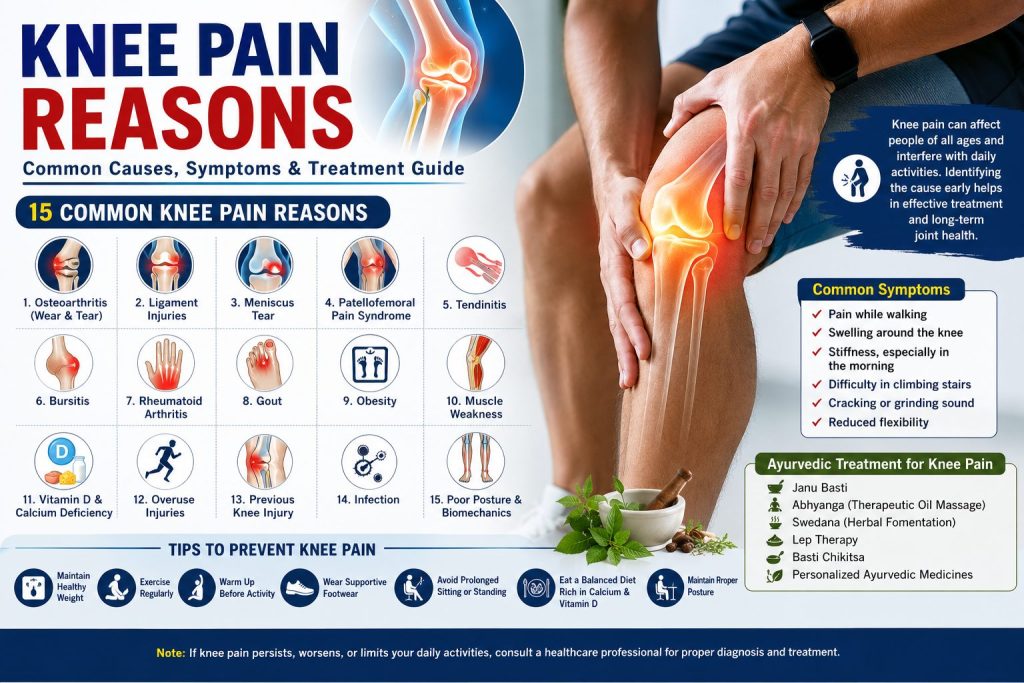
1. Osteoarthritis (Wear and Tear Arthritis) :
Osteoarthritis is the leading cause of knee pain, especially in people over 45 years.
Why does it happen?
The cartilage that cushions the knee joint gradually wears away, causing bones to rub against each other.
Symptoms :
- Pain while walking
- Morning stiffness
- Difficulty climbing stairs
- Swelling around the knee
- Cracking or grinding sounds
- Reduced flexibility
Risk Factors :
- Age
- Obesity
- Previous injury
- Family history
- Sedentary lifestyle
2. Ligament Injuries :
The knee contains four major ligaments:
- ACL (Anterior Cruciate Ligament)
- PCL (Posterior Cruciate Ligament)
- MCL (Medial Collateral Ligament)
- LCL (Lateral Collateral Ligament)
Sports injuries, accidents, or sudden twisting can damage these ligaments.
Symptoms :
- Sudden severe pain
- Swelling within hours
- Feeling that the knee “gives way”
- Difficulty walking
Common in:
- Football players
- Cricketers
- Runners
- Gym enthusiasts
3. Meniscus Tear :
The meniscus acts as a shock absorber between the thigh bone and shin bone.
It can tear due to:
- Sudden twisting
- Sports injury
- Aging
Symptoms :
- Locking of the knee
- Clicking sensation
- Pain while squatting
- Swelling
- Limited movement
4. Patellofemoral Pain Syndrome (Runner’s Knee) :
This condition causes pain around or behind the kneecap.
Common Causes
- Overuse
- Muscle imbalance
- Poor posture
- Flat feet
- Weak thigh muscles
Symptoms
- Pain while climbing stairs
- Pain after prolonged sitting
- Knee discomfort while running
5. Tendinitis :
Tendons connect muscles to bones.
Repeated jumping, running, or heavy physical activity can inflame these tendons.
Common Types:
- Patellar Tendinitis
- Quadriceps Tendinitis
Symptoms :
- Pain below the kneecap
- Tenderness
- Pain during activity
- Swelling
6. Bursitis :
Small fluid-filled sacs (bursae) reduce friction around the knee.
Inflammation causes bursitis.
Causes
- Frequent kneeling
- Injury
- Infection
- Arthritis
Symptoms
- Swelling
- Warmth
- Pain
- Redness
7. Rheumatoid Arthritis :
Rheumatoid arthritis is an autoimmune disease where the body’s immune system attacks the joints.
Symptoms
- Pain in both knees
- Morning stiffness lasting over 30 minutes
- Swelling
- Fatigue
- Joint deformity (late stages)
Requires early medical treatment to prevent permanent damage.
8. Gout :
High uric acid levels lead to crystal deposits inside joints.Gout is chronic disorder.
Symptoms
- Sudden severe pain
- Redness
- Swelling
- Warm joint
- Pain often starts overnight
9. Obesity :
Every extra kilogram of body weight significantly increases the pressure on the knee joint during walking.
Effects :
- Faster cartilage wear
- Increased inflammation
- Early arthritis
- Persistent knee pain
Weight management is one of the most effective long-term treatments.
10. Muscle Weakness :
Weak muscles fail to support the knee properly.
Weakness in:
- Quadriceps
- Hamstrings
- Hip muscles
- Calf muscles
can increase joint stress.
11. Vitamin D & Calcium Deficiency :
Deficiency weakens bones and muscles.
Symptoms :
- Bone pain
- Muscle weakness
- Frequent cramps
- Joint discomfort
12. Overuse Injuries :
Repeated stress from activities like:
- Running
- Cycling
- Jumping
- Long standing hours
- Heavy lifting
can gradually damage knee structures.
13. Previous Knee Injury :
Old injuries may lead to:
- Early arthritis
- Chronic instability
- Recurrent swelling
- Cartilage damage
14. Infection :
Though uncommon, bacterial infections can affect the knee joint.
Warning Signs :
- Fever
- Severe swelling
- Redness
- Inability to bear weight
- Severe pain
This requires urgent medical attention.
15. Poor Posture & Biomechanics :
Improper walking patterns or alignment issues can increase stress on the knee.
Examples include:
- Flat feet
- Bow legs
- Knock knees
- Poor footwear
- Incorrect exercise technique
Risk Factors for Knee Pain :
- Increasing age
- Obesity
- Diabetes
- Sedentary lifestyle
- Previous knee injury
- Sports activities
- Weak muscles
- Vitamin D deficiency
- Long hours of standing
- Poor posture
When Should You See a Doctor?
Consult a healthcare professional if you experience:
- Pain lasting more than one week
- Swelling that doesn’t improve
- Difficulty walking
- Knee locking or instability
- Inability to bend or straighten the knee
- Fever with knee pain
- Sudden severe pain after an injury
Early diagnosis can prevent long-term complications.
Tips to Prevent Knee Pain :
- Maintain a healthy body weight.
- Exercise regularly to strengthen leg muscles.
- Warm up before physical activity.
- Wear supportive footwear.
- Avoid prolonged sitting or standing.
- Include calcium- and vitamin D-rich foods in your diet.
- Practice proper posture while walking and exercising.
- Address minor knee injuries promptly to prevent chronic issues.
Ayurvedic Perspective on Knee Pain :
In Ayurveda, knee pain is commonly associated with Sandhigata Vata, a condition caused by aggravation of Vata Dosha, leading to degeneration of the joints. Management focuses on reducing pain, improving lubrication, and restoring joint function.
Common Ayurvedic therapies include:
- Janu Basti – Warm medicated oil retained over the knee to nourish the joint and reduce stiffness.
- Abhyanga – Therapeutic oil massage to improve circulation and ease muscle tension.
- Swedana – Herbal steam therapy to relieve stiffness and enhance mobility.
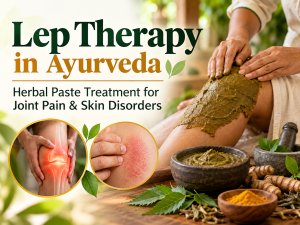
- Lep Therapy – Application of medicated herbal paste to reduce inflammation and pain.
- Basti (Medicated Enema) – Considered one of the primary treatments for balancing aggravated Vata in chronic joint disorders.
These therapies are typically combined with personalized herbal medicines, dietary guidance, and lifestyle modifications based on an individual’s Prakriti (body constitution) and the severity of the condition.
Frequently Asked Questions (FAQs) About Knee Pain reasons :
1. What is the most common cause of knee pain?
The most common cause of knee pain is osteoarthritis, where the cartilage cushioning the knee joint gradually wears down. Other common causes include ligament injuries, meniscus tears, tendinitis, obesity, and muscle weakness.
2. Can knee pain occur at a young age?
Yes. Knee pain can affect young adults due to sports injuries, ligament tears, overuse, obesity, improper exercise techniques, poor posture, or vitamin D deficiency.
3. When should I consult a doctor for knee pain?
You should seek medical attention if:
- Pain lasts more than a week
- There is severe swelling or redness
- You cannot bear weight on the knee
- The knee locks or gives way
- You develop fever with knee pain
- Pain follows a significant injury
4. Can being overweight cause knee pain?
Yes. Excess body weight puts additional pressure on the knee joints, accelerating cartilage wear and increasing the risk of osteoarthritis. Even modest weight loss can significantly reduce knee pain.
5. Is walking good for knee pain?
Gentle walking is beneficial for many people with mild knee pain as it helps maintain joint mobility and strengthen muscles. However, individuals with severe pain or acute injuries should consult a healthcare professional before exercising.
6. Which exercises are best for knee pain?
Low-impact exercises such as walking, swimming, cycling, straight leg raises, quadriceps strengthening, hamstring stretches, and yoga are often recommended. High-impact activities should be avoided during painful episodes.
7. Can vitamin D deficiency cause knee pain?
Yes. Vitamin D deficiency can weaken bones and muscles, leading to joint discomfort, muscle weakness, and an increased risk of knee pain.
8. What foods help improve knee health?
Foods rich in calcium, vitamin D, omega-3 fatty acids, antioxidants, and protein support joint health. Include leafy green vegetables, dairy products, nuts, seeds, fatty fish, fruits, and whole grains in your diet.
9. Can knee pain heal without surgery?
Yes. Many cases of knee pain improve with conservative treatment, including medications, physiotherapy, weight management, exercise, lifestyle modifications, and appropriate medical or Ayurvedic care. Surgery is usually reserved for severe joint damage or major ligament injuries.
10. How does Ayurveda help in managing knee pain?
Ayurveda considers chronic knee pain as Sandhigata Vata. Treatments such as Janu Basti, Abhyanga, Swedana, Lep Therapy, Panchakarma, and Basti Chikitsa, along with personalized herbal medicines and dietary modifications, aim to reduce pain, improve joint lubrication, and enhance mobility.
11. Can prolonged sitting cause knee pain?
Yes. Sitting for long periods can cause stiffness around the knee joint and weaken surrounding muscles, leading to discomfort when standing or walking. Regular stretching and movement can help prevent this.
12. Is knee cracking always a sign of arthritis?
Not always. Occasional painless cracking or popping is usually harmless. However, if cracking is associated with pain, swelling, or reduced movement, it may indicate cartilage damage, arthritis, or a meniscus injury.
13. Can climbing stairs worsen knee pain?
Yes. Stair climbing increases pressure on the knee joint, particularly the kneecap. People with osteoarthritis or patellofemoral pain syndrome may notice increased discomfort while using stairs.
14. How can I prevent knee pain?
You can reduce your risk by maintaining a healthy weight, exercising regularly, strengthening your leg muscles, wearing supportive footwear, avoiding repetitive strain, correcting posture, and following a balanced diet rich in calcium and vitamin D.
15. Which Ayurvedic treatments are commonly recommended for chronic knee pain?
Depending on the individual’s condition and Prakriti, Ayurvedic management may include:
- Janu Basti
- Abhyanga (Therapeutic Oil Massage)
- Swedana (Herbal Fomentation)
- Lep Therapy
- Basti Chikitsa
- Agnikarma (in selected cases)
- Personalized Ayurvedic medicines and dietary recommendations
These treatments are designed to balance aggravated Vata Dosha, reduce inflammation, relieve pain, improve joint function, and support long-term joint health.
Conclusion :
Knee pain is not a disease in itself but a symptom that may arise from arthritis, injuries, inflammation, muscle weakness, obesity, or other underlying conditions. Identifying the exact cause is essential for effective treatment and preventing further joint damage. If your knee pain persists, worsens, or limits your daily activities, seek timely medical evaluation. Early diagnosis and appropriate management can help preserve joint health, improve mobility, and enhance your quality of life.
Author :
Professor Dr. Shailesh Phalle, MD (Ayurveda)
Founder & Chief Ayurvedic Consultant
Ayusanjivani Ayurveda Clinic, Kharadi & Wagholi, Pune
Professor Dr. Shailesh Phalle is an experienced Ayurvedic physician specializing in Panchakarma, pain management, arthritis, musculoskeletal disorders, spine care, sports injuries, infertility, lifestyle disorders, and chronic disease management. He has helped thousands of patients achieve better mobility and improved quality of life through evidence-based Ayurvedic treatments integrated with modern diagnostic approaches.
Medical Reviewer :
Professor Dr. Shailesh Phalle, MD (Ayurveda)
Founder & Chief Ayurvedic Consultant
Ayusanjivani Ayurveda Clinic, Pune
Medical Review Date: July 2026
This article has been medically reviewed for scientific accuracy, clinical relevance, and consistency with classical Ayurvedic principles and current evidence-based understanding of knee pain.
References :
The following trusted resources provide additional information on knee pain, arthritis, diagnosis, exercise, and treatment:
- American Academy of Orthopaedic Surgeons (AAOS) – Knee Pain
https://orthoinfo.aaos.org/ - Mayo Clinic – Knee Pain
https://www.mayoclinic.org/diseases-conditions/knee-pain - National Institute of Arthritis and Musculoskeletal and Skin Diseases (NIAMS)
https://www.niams.nih.gov/ - Centers for Disease Control and Prevention (CDC) – Osteoarthritis
https://www.cdc.gov/arthritis/ - NHS (UK) – Knee Pain
https://www.nhs.uk/conditions/knee-pain/ - World Health Organization (WHO) – Musculoskeletal Conditions
https://www.who.int/news-room/fact-sheets/detail/musculoskeletal-conditions - National Center for Biotechnology Information (NCBI)
https://www.ncbi.nlm.nih.gov/ - Johns Hopkins Medicine – Knee Conditions
https://www.hopkinsmedicine.org/ - Arthritis Foundation
https://www.arthritis.org/ - Ayush Research Portal (Ministry of AYUSH, Government of India)
https://ayushportal.nic.in/