Ayurvedic Care for Jaundice: Questions About Diagnosis, Medical Tests, Diet and When Referral Matters
A detailed, research-based guide to jaundice from both a diagnostic and Ayurvedic lens — what tests confirm it, what a genuine ayurvedic treatment for jaundice in Pune actually involves, and exactly when a case needs urgent hospital referral.
Clinics in Wagholi and Kharadi, Pune
⚠ Important Safety Note Before You Read Further
Jaundice (yellowing of the skin and eyes) is a sign, not a disease in itself, and it should never be self-diagnosed or self-treated with home remedies. If jaundice appears along with high fever and chills, confusion or drowsiness, severe abdominal pain, vomiting blood, black or tarry stools, or if it appears in a newborn within the first 24 hours of life — seek emergency medical care immediately. These situations need hospital-based diagnosis and treatment first, not Ayurvedic therapy alone. This article is for general education; it is not a substitute for a doctor's assessment.
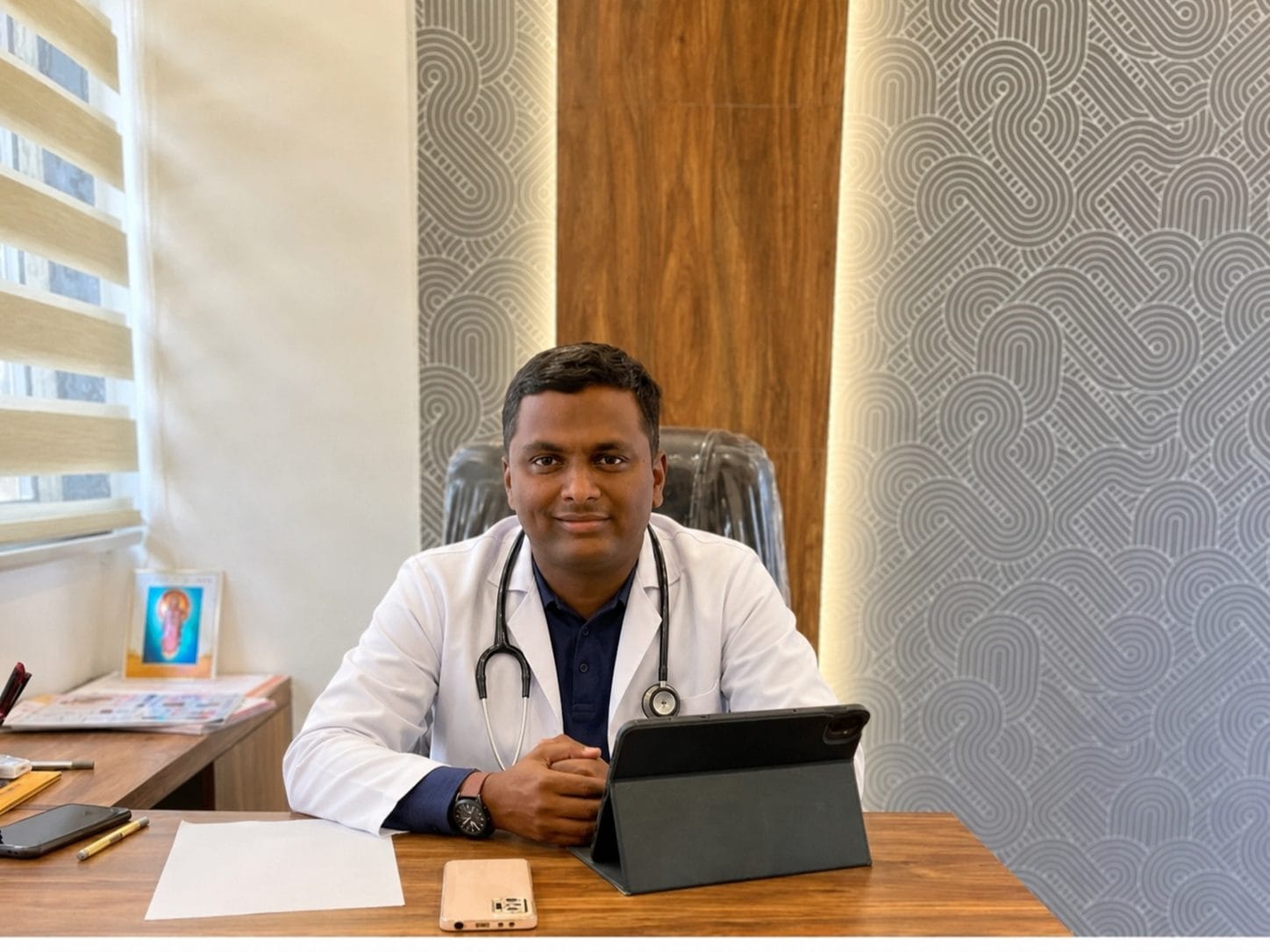
Medically reviewed by Dr. Shailesh Shamkant Phalle, BAMS, M.D. (Kayachikitsa) — regarded among the best Ayurvedic doctors in Pune for Panchakarma-based liver and digestive care, Ayusanjivani Ayurveda Centre.
Written for patient education. This article does not replace an in-person medical diagnosis.
Quick Answer
Jaundice is a yellow discolouration of the skin and eyes caused by raised bilirubin, and its underlying cause must be confirmed with blood tests (Liver Function Tests, viral hepatitis markers) and often an abdominal ultrasound before any treatment — Ayurvedic or otherwise — begins. Ayurveda classifies most jaundice under Kamala, a Pitta-Rakta dominant condition, and its classical management centres on Virechana (therapeutic purgation) with a Pitta-pacifying diet and herbs — but only once red-flag conditions such as obstructive jaundice, hepatic failure, or cholangitis have been ruled out, since these need hospital-based care first. A responsible ayurvedic treatment for jaundice in Pune always starts with this diagnostic clarity, not a fixed herbal package.
What Is Jaundice? Understanding the Basics
Jaundice is the yellow discolouration of the skin, the whites of the eyes (sclera), and mucous membranes, caused by an excess of bilirubin — a yellow-orange pigment formed when the body breaks down old red blood cells. Bilirubin is normally processed by the liver and excreted through bile into the gut; when this process is disrupted at any stage, bilirubin builds up in the blood and deposits in tissue, producing the visible yellow tinge. Clinically, jaundice becomes noticeable only once bilirubin rises well above the normal range, which is why mild liver dysfunction can exist for a while before it becomes visibly apparent.
It's important to understand that jaundice is not a disease on its own — it is a clinical sign pointing to an underlying problem, which could range from a short, self-limiting viral infection to a more serious structural or hepatic condition. This is precisely why identifying the cause correctly, before choosing any treatment path, is the single most important step.

Jaundice in Ayurveda: Understanding Kamala
In classical Ayurvedic texts, jaundice is described under Kamala, a condition rooted primarily in the vitiation of Pitta dosha along with involvement of Rakta (blood tissue) and the Raktavaha Srotas — the channel system that includes the liver, spleen, and blood vessels. Classical Acharyas identified Agnimandya (weakened digestive fire) and repeated intake of hot, sharp, or Pitta-aggravating food as key contributing factors. The oft-quoted classical principle, "Kamalam tu Virechanam", literally translates to "Kamala should be treated with Virechana" — establishing therapeutic purgation as the cornerstone of classical management from the outset.
Classical literature further classifies Kamala into two broad types — Shakhashrita Kamala (Ruddhapatha), often correlated in contemporary case literature with an obstructive-type pattern, and Koshtashrita or Bahupitta Kamala, more often correlated with a hepatocellular pattern caused by excess Pitta. This correlation between classical and modern patterns is used by Ayurvedic physicians as a clinical framework, not as a literal one-to-one match — which is exactly why a proper assessment by a qualified doctor, not a generic "jaundice package," is needed to identify which pattern applies to a given patient.
Types & Common Causes of Jaundice
Modern medicine broadly groups jaundice by where the disruption to bilirubin processing occurs:
- Pre-hepatic (haemolytic) causes: Excess breakdown of red blood cells overwhelms the liver's processing capacity — seen in certain haemolytic anaemias and some inherited conditions.
- Hepatic causes: Direct liver cell damage or dysfunction — viral hepatitis (A, B, C, and E), alcohol-related liver disease, drug-induced liver injury, fatty liver-related hepatitis, and cirrhosis all fall here.
- Post-hepatic (obstructive) causes: A physical blockage in the bile ducts prevents bilirubin from reaching the gut — gallstones, bile duct strictures, and, less commonly, tumours of the pancreas or bile duct.
- Neonatal jaundice: Very common in newborns and often physiological (harmless and self-resolving), but jaundice appearing within the first 24 hours of life, or persisting beyond two weeks, needs urgent paediatric evaluation to rule out pathological causes.
Because the treatment approach differs completely between these categories — an obstructive gallstone may need an endoscopic or surgical procedure, while viral hepatitis is managed medically — the cause must always be established first.
Symptoms You Shouldn't Ignore
- Yellowing of the skin, eyes, and inner mouth
- Dark-coloured urine and unusually pale (clay-coloured) stools
- Fatigue, weakness, and reduced appetite
- Nausea, occasional vomiting, and mild right-upper-abdominal discomfort
- Generalised itching (more common in obstructive-type jaundice)
- Low-grade fever, especially in viral hepatitis
New-onset painless jaundice, particularly in people above 40, and jaundice accompanied by abdominal pain and swelling both deserve prompt clinical evaluation rather than a wait-and-watch approach.


Diagnosis: Medical Tests You Should Expect
Whether you consult an Ayurvedic physician or a general physician first, a reliable work-up for jaundice typically includes:
- Liver Function Test (LFT): Total, direct, and indirect bilirubin, SGOT (AST), SGPT (ALT), alkaline phosphatase (ALP), GGT, total protein, and albumin — this single panel helps distinguish a hepatocellular pattern (raised ALT) from an obstructive/cholestatic pattern (raised ALP).
- Viral hepatitis markers: HAV IgM, HBsAg, Anti-HCV, and HEV IgM as relevant, to identify or rule out viral causes.
- Complete Blood Count (CBC): Helps assess for haemolysis, infection, or anaemia.
- Prothrombin Time (PT/INR): An important marker of how well the liver is synthesising clotting factors — an abnormal result is a significant warning sign.
- Renal function tests: Checked because abnormal kidney function alongside jaundice raises the level of concern.
- Abdominal Ultrasound (USG): To check liver size and texture, and to look for gallstones, bile duct dilation, or masses suggesting an obstructive cause.
Where results point toward an obstructive or hepatitic pattern, or where risk factors are present, further imaging (CT/MRCP) or a specialist referral may be advised — this is addressed in more detail in the referral section below.
Pune Diagnostic Test Cost Comparison
Before starting any Ayurvedic protocol, we require recent diagnostic reports. Here's a general sense of what these tests typically cost across Pune's diagnostic labs, based on publicly listed prices — actual rates vary by lab accreditation (NABL-accredited labs may price slightly higher) and whether home collection is chosen.
Liver Function Test (LFT)
A 10–12 hour fasting blood panel covering bilirubin, SGOT, SGPT, ALP, and protein levels.
≈ ₹270 – ₹1,200Viral Hepatitis Markers
HAV IgM, HBsAg, Anti-HCV, or HEV IgM — usually priced individually per marker tested.
≈ ₹300 – ₹900 per testAbdominal Ultrasound (USG)
Imaging to check liver size, texture, and rule out gallstones or bile duct obstruction.
≈ ₹800 – ₹1,800Ayurvedic Doctor Consultation
Initial assessment including Nadi Pariksha, review of reports, and Prakriti-Vikriti evaluation before any therapy is planned.
Varies by clinic — ask for exact feeThese figures are indicative, drawn from publicly available Pune diagnostic pricing, and are meant to help you budget for the diagnostic stage — not as a quote from any specific lab or from Ayusanjivani Ayurveda Centre. Panchakarma or Virechana-based treatment cost is planned separately, only after your doctor reviews these reports.
When Referral to a Hospital or Specialist Is Essential
Most cases of jaundice are serious enough to warrant a proper medical work-up, and a responsible Ayurvedic clinic will never discourage this. The following signs mean a hospital or specialist referral should happen immediately, before — or alongside — any Ayurvedic consultation:
🚩 Seek Emergency or Specialist Care Immediately If You Notice:
- Altered mental state — confusion, excessive drowsiness, or disorientation alongside jaundice (possible hepatic encephalopathy)
- High fever with chills accompanying jaundice and abdominal pain (possible cholangitis — a surgical emergency)
- Vomiting blood or passing black, tarry stools (possible internal bleeding related to liver dysfunction)
- Markedly abnormal clotting or easy bruising/bleeding alongside jaundice
- An obstructive pattern on LFTs (raised bilirubin with raised ALP), which often needs a gastroenterologist or surgeon for gallstone or bile-duct evaluation
- New jaundice in anyone aged 40 or above, which warrants urgent evaluation to rule out pancreatic or biliary malignancy
- Jaundice during pregnancy, especially in the third trimester — always treated as a serious finding requiring prompt obstetric and hepatic evaluation
- Jaundice in a newborn within the first 24 hours of life, or persisting beyond two weeks — needs urgent paediatric assessment to prevent complications
- New swelling of the abdomen (ascites) or unexplained significant weight loss alongside jaundice
If any of the above applies to you or a family member, please go to a hospital or call your treating physician without delay. Ayurvedic Pitta-pacifying and supportive care can be valuable once the acute risk has been medically addressed and your doctor confirms it is appropriate to begin.
Why Doctor Supervision Matters in Ayurvedic Jaundice Care
Finding the best Ayurvedic doctor in Pune for a condition like jaundice isn't just about experience with Panchakarma — it's about clinical judgement. A BAMS/MD-qualified physician will correlate your LFT pattern and ultrasound findings with the classical Kamala classification (Shakhashrita vs Koshtashrita) before deciding whether Virechana is appropriate at all, and if so, what intensity and timing suits your current strength (Bala) and digestive capacity (Agni).
This matters because Virechana — the classical first-line Panchakarma procedure for Kamala — is not advisable in every situation. It is generally avoided in pregnancy, in patients who are severely weak or dehydrated, in acute obstructive jaundice requiring surgical or endoscopic intervention, and in several other scenarios that only a trained doctor can correctly identify.
The Standard We Follow
At Ayusanjivani Ayurveda Centre, every suspected Kamala case — at either our Wagholi or Kharadi clinic — is reviewed against current blood reports and imaging before any Panchakarma procedure is planned, and the doctor remains involved through the course rather than handing the case to therapy staff after the first visit.
Ayurvedic Treatment Approach: Virechana & Shamana Chikitsa
Once red flags have been ruled out and reports reviewed, classical Ayurvedic management of Kamala generally follows two complementary routes, chosen based on the patient's strength and the specific pattern identified:
Virechana (Shodhana / Purificatory Route)
Our Virechana therapy page explains this procedure in detail — in Kamala management specifically, it is used in a graded manner: Nitya Virechana (a mild, repeated purgation approach) is commonly preferred in weaker or more acute cases, while a fuller Sadhya Virechana course may be considered once the patient's strength allows it. This is always individualised, never a fixed package.
Shamana Chikitsa (Palliative / Pitta-Pacifying Route)
Where purgation isn't immediately advisable — in a very weak patient, for example — internal Pitta-pacifying herbal formulations and dietary correction are used to stabilise the patient before considering Shodhana therapy. Our broader introduction to Panchakarma covers how Shodhana and Shamana routes are chosen for different conditions.
Published Ayurvedic case literature on Kamala/hepatocellular jaundice has reported meaningful improvement in bilirubin and liver enzyme levels over a structured, doctor-monitored course — typically spanning several weeks with periodic blood-test follow-up — though individual outcomes naturally vary with the underlying cause, severity, and how early treatment begins.
Herbal Medicines Used in Kamala Chikitsa
Several classical herbs are traditionally used to support Pitta pacification and liver function as part of a doctor-prescribed protocol:
- Bhumyamalaki (Phyllanthus niruri): One of the most studied traditional hepatoprotective herbs used across liver conditions.
- Kalmegh (Andrographis paniculata): A strongly bitter (Tikta Rasa) herb traditionally used to pacify Pitta and support liver function.
- Katuki / Kutki (Picrorhiza kurroa): A classical liver-supportive herb frequently referenced in Kamala formulations.
- Guduchi (Tinospora cordifolia): Used for general immunity support and as an adjunct in hepatic recovery.
- Punarnava (Boerhavia diffusa): Traditionally used to support fluid balance, relevant where mild fluid retention accompanies liver dysfunction.
- Sharapunkha (Tephrosia purpurea): A traditional herb referenced specifically in classical Kamala management.
- Haritaki: Used classically for its mild Anulomana (bowel-regulating) and Virechana-supportive properties.
Important: These herbs are mentioned here for educational awareness only. In an active liver condition, self-medicating with any of these — including common over-the-counter "liver tonic" products — without a doctor's supervision can mask progression or interact with other treatment. Formulations, combinations, and dosing should only be decided after your doctor has reviewed your reports.
Ayurvedic Diet for Jaundice
Since Kamala is fundamentally a Pitta-Rakta disorder, diet plays a significant supportive role alongside medical and Panchakarma treatment.
Generally Recommended
- Light, easily digestible, freshly cooked meals — khichdi, moong dal, and well-cooked rice are classical staples during recovery
- Bitter vegetables such as bitter gourd (karela) and neem, traditionally used to pacify Pitta
- Pomegranate juice and diluted sugarcane juice, both referenced classically as Pitta-pacifying and supportive during Kamala recovery
- Buttermilk in small, well-spiced quantities, and adequate plain water through the day
- Barley water and other easily digestible grains
Generally Avoided
- Oily, deep-fried, and heavy-to-digest foods
- Spicy, sour, and fermented foods, which aggravate Pitta
- Alcohol — strictly avoided, and particularly important in any hepatitis-related jaundice
- Excess red meat and heavy protein loads during the acute phase
- Stale, reheated, or refrigerated food
Your exact diet plan should be personalised by your treating doctor based on your specific Kamala type, current strength, and lab trend — this is general educational guidance, not an individual prescription.

Lifestyle Advice During Recovery
- Prioritise rest during the acute phase and avoid strenuous physical activity until your doctor confirms it's safe to resume
- Avoid alcohol completely, even after symptoms resolve, especially following any form of hepatitis
- Avoid self-medicating with over-the-counter painkillers or supplements, as several common drugs are processed by the liver and can worsen recovery
- Practice careful hand hygiene and use safe drinking water, since Hepatitis A and E (common causes of Kamala) spread through contaminated food and water
- Keep up with follow-up LFTs as advised, to objectively confirm that bilirubin and liver enzymes are trending down
- Inform your doctor of all other medications and supplements you're taking, to avoid any that may stress the liver further
Treatment Timeline: What to Expect
Every Kamala case is different, and timelines depend heavily on the underlying cause and how early treatment starts:
- Mild, acute viral-type jaundice: With timely care, meaningful improvement in symptoms and bilirubin trend is often tracked over 2–4 weeks of follow-up, alongside repeat LFTs.
- Moderate Bahupitta Kamala: A structured, doctor-monitored course combining Shamana therapy and, where appropriate, Virechana, typically runs 4–6 weeks with periodic blood-test review.
- More involved or recurrent cases: May require a longer, phased protocol of 6–8 weeks or more, always alongside continued monitoring of liver function.
Your doctor will set realistic expectations at your first visit based on your specific reports — treatment duration is never assumed in advance of this review.
Jaundice Care in Kharadi & Wagholi, Pune
Ayusanjivani Ayurveda Centre is often searched for as the best Ayurvedic clinic in Pune for structured, doctor-led Panchakarma care — including Kamala (jaundice) management — across two accessible locations.
📍 Ayusanjivani — Kharadi
Full consultation, diagnostic report review, and Panchakarma facilities for Kamala and related digestive-liver conditions. Learn more about our Ayurvedic clinic in Kharadi and Panchakarma treatments in Kharadi, Pune.
Call Kharadi Clinic📍 Ayusanjivani — Wagholi
The same doctor-supervised assessment and Panchakarma protocols, extended to patients across Wagholi, Vadgaon Sheri, and the Nagar Road belt.
WhatsApp Wagholi ClinicBoth clinics follow the same clinical standard and are supervised directly by Dr. Phalle, ensuring consistent quality of care regardless of which location is more convenient for you.
Related Panchakarma & Upakarma Therapies at Ayusanjivani
While Kamala is primarily managed through Virechana and Pitta-pacifying care rather than Basti, many of our patients also manage joint and spine conditions alongside their liver care. If that applies to you, our related localised Basti (Upakarma) therapies may be relevant: Janu Basti for knee joint pain, and Kati Basti for lower-back and spine conditions. We also offer Manya Basti for neck and cervical stiffness as part of our Upakarma therapies, discussed in the context of our cervical and lumbar spondylitis guide — ask our doctor at your consultation if this is relevant to you.
Reviewed by Dr. Shailesh Shamkant Phalle
BAMS, M.D. (Kayachikitsa) — Ayurvedic Physician & Panchakarma Specialist, Ayusanjivani Ayurveda Centre, Kharadi & Wagholi, Pune.
This article is for general health education and does not replace an in-person medical diagnosis. Jaundice always requires confirmatory blood tests, and emergency symptoms should be evaluated at a hospital without delay. Ayurvedic Panchakarma procedures carry contraindications and should only be undergone after assessment by a qualified doctor.
Frequently Asked Questions
Ayurveda offers a structured approach to Kamala (jaundice) centred on Virechana and Pitta-pacifying care, and published case literature has documented meaningful improvement in bilirubin and liver enzymes with doctor-monitored treatment. However, the underlying cause must first be diagnosed with blood tests and imaging, and any red-flag signs need hospital evaluation before Ayurvedic therapy is considered appropriate.
Jaundice is always worth taking seriously, since it usually points to a genuine underlying issue — but severity varies widely, from a mild, self-limiting viral hepatitis to conditions needing urgent surgical or hospital care. The only way to know which category applies is through proper testing, not by how yellow the skin appears.
A Liver Function Test (LFT) confirms raised bilirubin and helps distinguish a hepatocellular from an obstructive pattern, while viral hepatitis markers, a complete blood count, clotting studies, and an abdominal ultrasound help identify the specific cause.
Hospitalisation or urgent specialist referral is needed if there's confusion or altered consciousness, high fever with chills, vomiting blood or black stools, abnormal clotting, a clearly obstructive pattern on LFTs, or if the patient is a newborn with early or prolonged jaundice. These require investigation and treatment beyond what outpatient Ayurvedic care alone can safely provide.
Neonatal jaundice needs paediatric evaluation first, since timing and bilirubin levels determine whether it's physiological or needs urgent medical treatment (such as phototherapy) to prevent complications. Ayurvedic supportive care for infants should only be considered under a paediatrician's and Ayurvedic doctor's joint guidance, never as a first-line or standalone approach.
No. Virechana is generally avoided in pregnancy, in very weak or dehydrated patients, and in acute obstructive jaundice that needs surgical or endoscopic management. This is exactly why a doctor's assessment of your reports and overall strength comes before any Panchakarma procedure is planned.
Diagnostic tests like LFT (≈₹270–₹1,200), viral markers (≈₹300–₹900 per test), and an abdominal ultrasound (≈₹800–₹1,800) make up the initial diagnostic cost in Pune. Ayurvedic treatment cost is planned separately based on your specific Kamala type and duration — call or WhatsApp us with your reports for an itemised estimate.