
Abhyanga Ayurvedic Treatment in Pune – Traditional Warm Oil Massage for Body, Mind & Joints
At Dr. Phalle's Ayusanjivani Ayurveda Centre, we offer Abhyanga — a classical full-body and local Ayurvedic oil massage using warm, dosha-specific medicated oils to relieve stress, ease joint stiffness, improve circulation, and restore balance from the inside out.
Ayurvedic Body Therapy
What is Abhyanga Treatment?
Abhyanga is Ayurveda's classical warm oil massage, in which specially chosen medicated oils are applied to the body with rhythmic, dosha-balancing strokes — sometimes by one therapist, sometimes by two working in synchrony. The word "Abhyanga" comes from the Sanskrit roots "abhi" (towards) and "anga" (limb), and is often translated as "anointing the body with loving hands." Unlike a spa massage meant purely for relaxation, Abhyanga is a therapeutic Ayurvedic procedure with roots in classical texts such as the Charaka Samhita and Ashtanga Hridayam, where it is described as a daily practice (Dinacharya) as well as a powerful Panchakarma therapy in its own right.
During Abhyanga, warm oil is massaged into the skin using long, flowing strokes along the direction of hair growth on the limbs and circular strokes over joints, allowing the oil to penetrate deep into the tissue layers (dhatus). The oil used is never generic — it is selected based on the individual's dosha constitution (Vata, Pitta, or Kapha), the season, and the specific health concern being addressed. This is what separates a genuine Ayurvedic Abhyanga session from a regular oil massage: the oil itself carries most of the therapeutic value, and its selection is a clinical decision made by a qualified Ayurvedic physician.
If you are searching for Abhyanga treatment in Pune or an experienced Ayurvedic doctor in Wagholi or Kharadi, our team at Dr. Phalle's Ayusanjivani Ayurveda Centre offers personalised Abhyanga therapy for stress, joint stiffness, poor circulation, fatigue, and as part of a complete Panchakarma detox protocol — using authentic herbal oil formulations under clinical hygiene standards.
Book an Abhyanga Consultation →
Why Choose Us
Why Choose Ayusanjivani for Abhyanga in Pune?
Whether you're looking for an Ayurvedic clinic in Wagholi or an Ayurvedic doctor in Kharadi, we provide authentic Abhyanga therapy using traditional protocols, quality medicated oils, and strict clinical hygiene.
Trained Panchakarma Therapists
Every Abhyanga session at our Panchakarma centre in Pune is performed by therapists trained in classical marma-point technique, ensuring correct pressure, rhythm, and direction of strokes.
Authentic Medicated Oils
We use classical formulations such as Mahanarayan oil, Ksheerabala oil, and dosha-specific herbal-infused oils, selected after a proper Ayurvedic consultation.
Wagholi & Kharadi Locations
With clinics in Wagholi and Kharadi, Dr. Phalle's Ayusanjivani Ayurveda Centre makes authentic Abhyanga therapy easily accessible across East Pune.
🌿 Consult an Ayurvedic Doctor in Pune Today
Get a personalised Abhyanga therapy plan from Dr. Phalle's experienced Panchakarma specialists.
Types of Abhyanga
Abhyanga & Its Classical Variations Explained
Abhyanga is not a single fixed procedure — classical texts describe several forms, distinguished by the body area covered and the technique used. Our doctors select the right form (or combination) based on your specific need.
Sarvanga Abhyanga
Full-body oil massage covering the whole body from head to feet, worked in sections so blood and lymph flow are properly stimulated. This is the most comprehensive form of Abhyanga and is often performed by two therapists working in synchronised strokes, promoting deep detoxification, overall vitality, and full-body relaxation.
Shiro Abhyanga
Focused oil massage of the scalp, temples, and head, using gentle circular strokes to calm the nervous system. Classical texts recommend it even when a full-body massage isn't possible. It is widely used for stress, tension headaches, insomnia, and premature greying or hair thinning.
Pada Abhyanga
Therapeutic oil massage of the feet and soles, an area classical Ayurveda considers rich in nerve endings and reflex points. Regular Pada Abhyanga is said to improve sleep quality, reduce foot cracks and dryness, and calm an overactive mind — especially before bedtime.
Mukha Abhyanga
Gentle oil massage of the face and neck using very light pressure, as recommended in classical texts for delicate areas. It improves circulation to facial tissue, softens fine lines, relieves jaw tension, and leaves the skin with a natural, healthy glow.
Eka Anga Abhyanga (Local Massage)
Focused massage of a single problem area — such as the back, knee, or shoulder — rather than the whole body. This is often combined with localised heat therapies like Janu Basti for targeted joint pain relief.
Sneha Abhyanga (Purvakarma)
A specific, more intensive form of Abhyanga used as preparatory therapy (Purvakarma) before major Panchakarma procedures like Vamana, Virechana, or Basti. It helps loosen deep-seated toxins (Ama) and move them toward the gastrointestinal tract for elimination.
Garbhini Abhyanga
A gentler, modified form of Abhyanga adapted for expectant mothers using specific safe oils and techniques, always performed under medical guidance to support comfort during pregnancy without the deep-pressure strokes used elsewhere.
Udvartana (Herbal Powder Massage)
A related technique using medicated herbal powders instead of oil, massaged against the direction of hair growth to reduce Kapha, support healthy body weight, and exfoliate the skin — often used alongside or as an alternative to standard Abhyanga.
Vagbhata's Ashtanga Hridayam states that even when a full-body massage isn't possible, the head and feet should still be massaged regularly — which is why Shiro Abhyanga and Pada Abhyanga are so often practised on their own. Our doctors at Dr. Phalle's Ayusanjivani Ayurveda Centre will recommend the right form, or combination of forms, based on your constitution and current concern.
The Ayurvedic Perspective
How Ayurveda Chooses the Right Oil for You
Dosha-Specific Oil Selection
In Ayurveda, no two Abhyanga sessions should look the same, because no two bodies carry the same dosha balance. Vata dosha — governing movement, dryness, and the nervous system — responds best to warm, heavy, grounding oils like sesame oil, which counteracts the dry, light, rough qualities of aggravated Vata. This is why Abhyanga is considered one of the single most effective daily therapies for Vata imbalance.
Pitta dosha — governing heat, metabolism, and inflammation — calls for cooling oils such as coconut oil or Brahmi-infused preparations, which soothe excess heat without adding further stimulation. Kapha dosha — governing structure, lubrication, and heaviness — is best balanced with lighter oils like mustard or sunflower oil, often combined with more stimulating strokes or Udvartana to counter Kapha's inherent heaviness and sluggishness.
Getting this selection right is precisely why Abhyanga should be performed at a proper Ayurvedic clinic rather than a generic spa: the wrong oil for your constitution can leave you feeling heavier, more sluggish, or overstimulated instead of balanced.
The Procedure
How Abhyanga is Performed
A gentle, structured process performed under expert supervision — here's what to expect during an Abhyanga session at Dr. Phalle's Ayusanjivani Ayurveda Centre.
Our Ayurvedic doctor evaluates your constitution, current dosha imbalance, and health concerns to select the right medicated oil and technique for you.
The chosen medicated oil is gently warmed to a comfortable temperature, as warm oil penetrates the skin and tissue layers far more effectively than cold oil.
Massage begins at the head and works systematically down the body, in keeping with classical sequencing, to properly stimulate blood and lymph flow.
Long strokes are used along the limbs and circular strokes over joints and marma (energy) points, with firm pressure on extremities and very light pressure on the face, abdomen, and chest.
You are allowed to rest for a short period after the massage so the oil can continue to absorb into the deeper tissue layers.
A gentle herbal steam (Swedana) or warm-water wash is often used to help the body absorb the oil fully and leave the skin feeling light rather than greasy.
Our doctors provide guidance on hydration, food timing, and rest to help you sustain the calming and detoxifying benefits of the session.
Conditions Treated
Abhyanga is Specifically Indicated For
Abhyanga is recommended for the following conditions, as assessed by our Ayurvedic doctors at Dr. Phalle's Ayusanjivani Ayurveda Centre in Pune.
Calms the nervous system and reduces cortisol-driven tension and restlessness.
Lubricates joints and eases stiffness linked to Vata-driven degeneration.
Especially effective as Shiro and Pada Abhyanga performed before bedtime.
Relieves soreness and heaviness from overwork, travel, or physical strain.
Improves peripheral blood flow and lymphatic drainage throughout the body.
Deeply moisturises and nourishes the skin, restoring softness and natural glow.
Activates the parasympathetic nervous system for deep mental relaxation.
A preventive Rasayana therapy for anyone seeking whole-body balance and vitality.
Looking for Abhyanga treatment in Pune? Dr. Phalle's Ayusanjivani Ayurveda Centre offers expert Abhyanga therapy tailored to your specific condition. Our Ayurvedic doctors in Wagholi & Kharadi will assess your dosha imbalance and recommend the right form of Abhyanga for safe, lasting results.
🏥 Ready for Authentic Abhyanga Therapy?
Speak to our expert Ayurvedic doctors at Dr. Phalle's Ayusanjivani — Wagholi & Kharadi.
Our Panchakarma Centre in Pune
Benefits of Abhyanga at Our Panchakarma Centre in Pune
Experience the full spectrum of Abhyanga benefits under expert Ayurvedic care at Dr. Phalle's Ayusanjivani Ayurveda Centre — Wagholi & Kharadi.
Diet & Lifestyle
Ayurvedic Diet & Lifestyle Guidance Around Abhyanga
Abhyanga works best as part of a daily rhythm that supports the same dosha balance the massage itself is designed to restore.
✅ What Helps
🚫 What to Avoid
Since stress, sleep, and joint health are closely connected, our doctors often pair Abhyanga with complementary therapies such as Shirodhara for deep stress relief, Pinda Sweda for joint stiffness, or a supervised Basti course to correct the deeper Vata imbalance — all part of a personalised Panchakarma protocol built around your specific condition.
Safety First
Who Should Be Cautious with Abhyanga?
Abhyanga is a gentle, largely safe therapy, but as with any Ayurvedic procedure, it should always be performed after proper evaluation by a qualified Ayurvedic physician.
⚠️ Important Precautions
Related Topics
More on Abhyanga & Ayurvedic Body Care
Go deeper into the topics that matter most before your Abhyanga session — from skin nourishment and stress relief to what to expect from Panchakarma at our centre.
Common Questions
Frequently Asked Questions About Abhyanga
Have questions about Abhyanga at our Ayurvedic clinic in Pune? Clear answers from our Panchakarma specialists at Dr. Phalle's Ayusanjivani.
Meet Your Doctor
Expert Ayurvedic Care, Led by Dr. Shailesh Phalle
Every Abhyanga treatment plan at Ayusanjivani is personally assessed and supervised by our founding Ayurvedic physician.
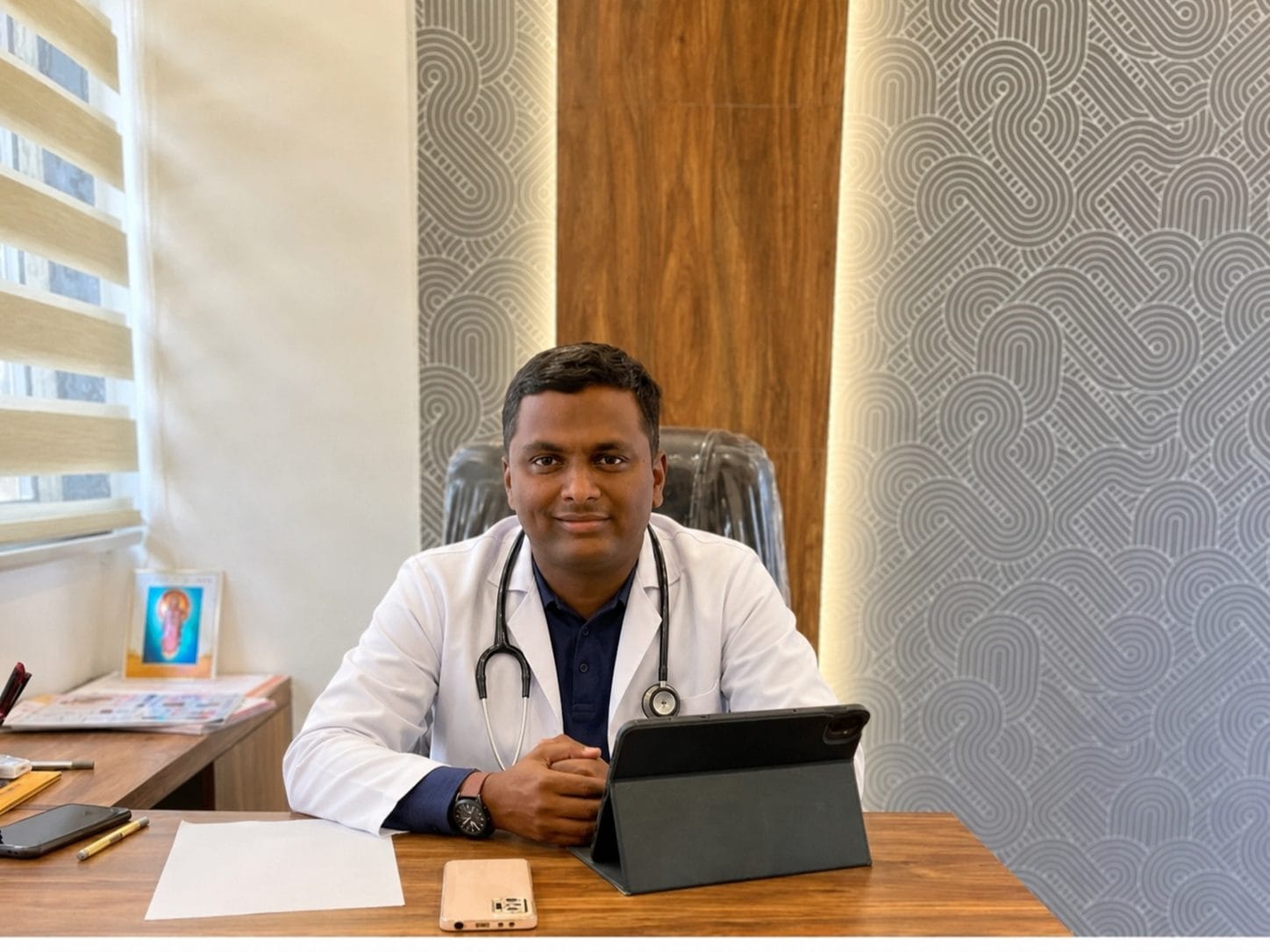
Dr. Shailesh Phalle is the founder of Ayusanjivani Ayurveda Centre and an Ayurvedic MD with over 18 years of clinical experience across Panchakarma, external oil therapies, and chronic disease management. He has personally supervised thousands of Abhyanga and Panchakarma sessions, combining classical Ayurvedic diagnosis with a modern, hygiene-first clinical approach. His treatment philosophy centres on identifying the precise dosha imbalance behind each patient's condition — including stress, joint stiffness, and fatigue — and building a plan around genuine root-cause correction rather than temporary relief. He personally oversees complex cases across the Wagholi and Kharadi clinics.
Book Your Abhyanga Consultation at Ayusanjivani Ayurveda Centre
Consult with Dr. Phalle's expert Ayurvedic practitioners today. We provide authentic Abhyanga and complete Panchakarma therapy in Wagholi and Kharadi, tailored to your individual health needs.