Patient Identity
Patient Identity: Confidential (Name & personal details masked for privacy)
Age/Gender: Male
Location: Pune, Maharashtra
Treating Physician: Professor Dr. Shailesh Phalle, MD (Ayurveda)
Clinic: Ayusanjivani Ayurveda Clinic, Pune
Patient Information
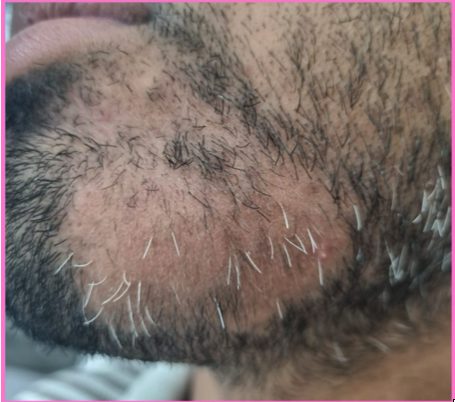
Adult male presented with a solitary patch of beard hair loss. The lesion gradually increased in size over a few weeks. There was no pain or scarring. Cosmetic concern was the primary complaint.
Introduction
Alopecia Areata is an autoimmune disorder characterized by sudden, well-defined patches of non-scarring hair loss. Beard alopecia is a localized form that can significantly affect appearance and confidence. In Ayurveda, this condition is correlated with Indralupta, where aggravated Pitta and Vata cause hair fall while Kapha and Rakta obstruct the hair follicles, preventing normal regrowth.
Clinical Examination
- Single well-defined non-scarring alopecic patch over the beard.
- Normal surrounding skin.
- No scaling or fibrosis.
- Sparse white hairs with reduced terminal hairs before treatment.
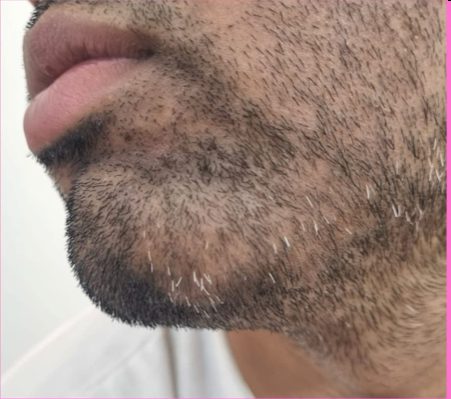
- Follow-up demonstrated dense pigmented terminal hair regrowth.
Probable Modern Diagnosis
Localized Beard Alopecia Areata.
Ayurvedic Diagnosis
Indralupta
Samprapti Ghataka
• Dosha: Vata–Pitta Pradhana with Kapha Avarana
• Dushya: Rakta, Mamsa, Kesha
• Agni: Mandagni
• Srotas: Raktavaha and Romakupa
• Adhisthana: Beard hair follicles
Treatment Objectives
Reduce autoimmune inflammatory activity, improve local blood circulation, remove follicular obstruction, nourish hair follicles, promote healthy terminal hair regrowth and reduce recurrence.
Treatment Protocol (2.5 Months)
1. Jalaukavacharana (Leech Therapy): Applied over and around the patch every 10–15 days as clinically indicated.
2. Shamana Chikitsa (oral medicines selected according to patient): Mahamanjisthadi Kwatha, Arogyavardhini Vati, Gandhak Rasayana, Khadirarishta, Keshya Rasayana.
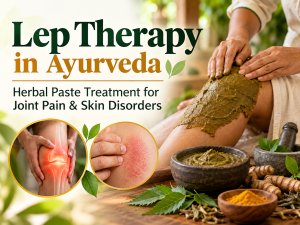
3. Local Lepa: Herbal paste containing Bhringaraja, Gunja (purified), Amalaki, Yashtimadhu and other Keshya herbs applied locally.
4. Pathya: Protein-rich diet, fresh fruits, leafy vegetables, adequate sleep, stress reduction.
5. Apathya: Junk food, excessive spicy food, smoking, alcohol and sleep deprivation.
Why Leech Therapy?
Jalaukavacharana is considered a form of Raktamokshana. It helps remove vitiated Rakta, improves local microcirculation, reduces inflammatory mediators, enhances oxygen delivery and creates a favorable environment for dormant hair follicles.
Outcome After 2.5 Months
Marked reduction in the alopecic area with significant terminal hair regrowth. Hair density improved considerably with restoration of beard contour. No scarring or adverse effects were observed clinically.
Discussion
Modern medicine recognizes Alopecia Areata as an autoimmune disease targeting hair follicles. Ayurveda explains this through Dosha imbalance affecting Kesha. A multimodal Ayurvedic approach including Jalaukavacharana, Shamana Chikitsa and topical Lepa may support follicular recovery by correcting systemic imbalance while improving local tissue nourishment.
Key Learning Points
Before
After
• Early intervention gives better outcomes.
• Leech therapy may enhance local circulation.
• Shamana medicines address systemic imbalance.
• Local Lepa supports follicular stimulation.
• Diet and stress management are essential.
Conclusion
This case demonstrated excellent cosmetic improvement within 2.5 months using a comprehensive Ayurvedic treatment protocol. The before-and-after photographs show clinically appreciable beard hair regrowth, suggesting that appropriately selected Ayurvedic therapy may be beneficial in localized Alopecia Areata.
Author
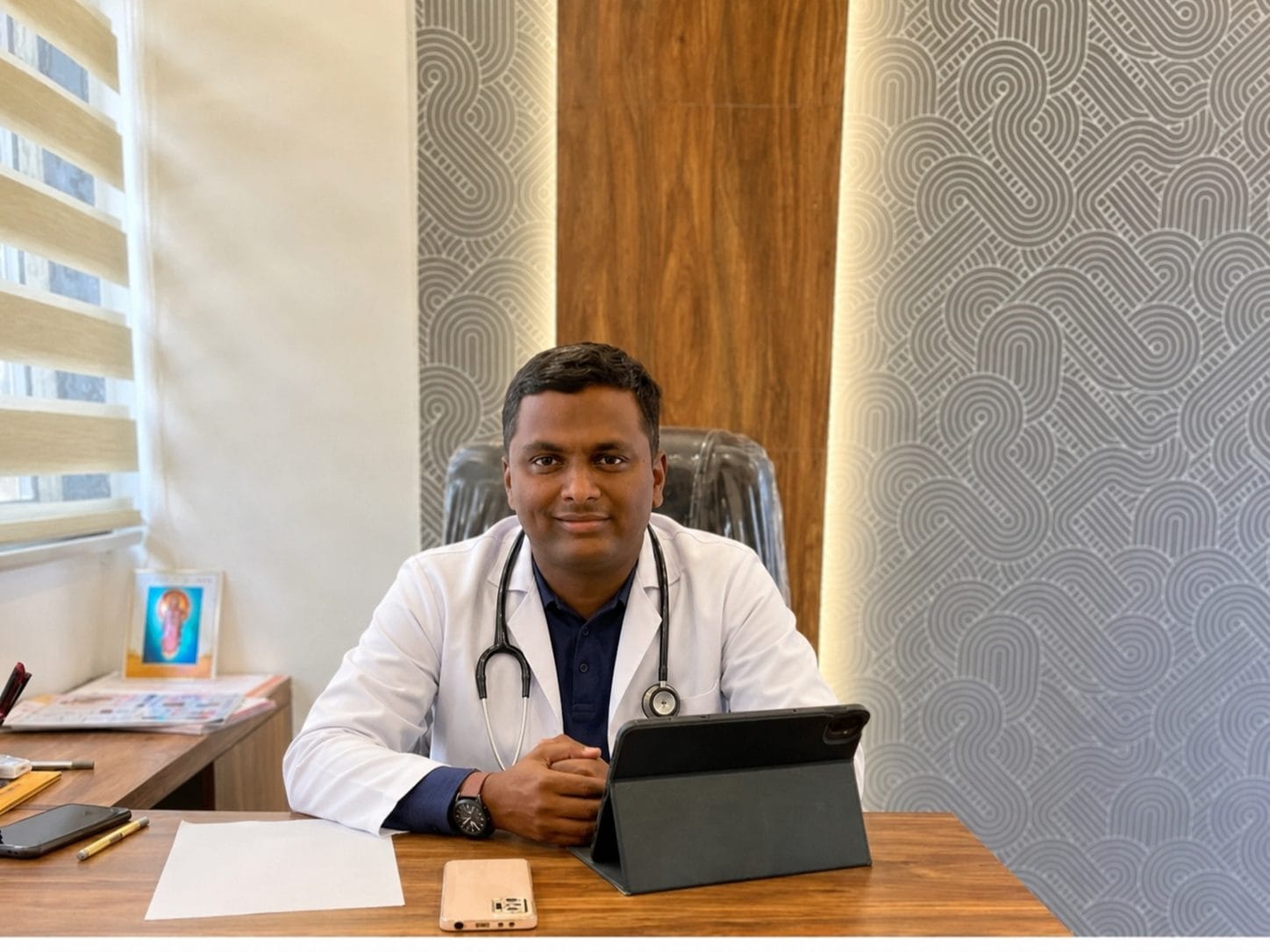
Professor Dr. Shailesh Phalle, MD (Ayurveda), Ayusanjivani Ayurveda Clinic, Pune
Medical Reviewer
Professor Dr. Shailesh Phalle, MD (Ayurveda)
Disclaimer
This is an individual patient case study. Results may vary from person to person depending
upon disease duration, constitution, diet, lifestyle, compliance, and associated medical
conditions. Patients should consult a qualified healthcare professional before starting or
stopping any treatment.