Author & Medical Reviewer: Dr. Shailesh Phalle
Ayusanjivani Ayurveda Clinic, Pune
Introduction :
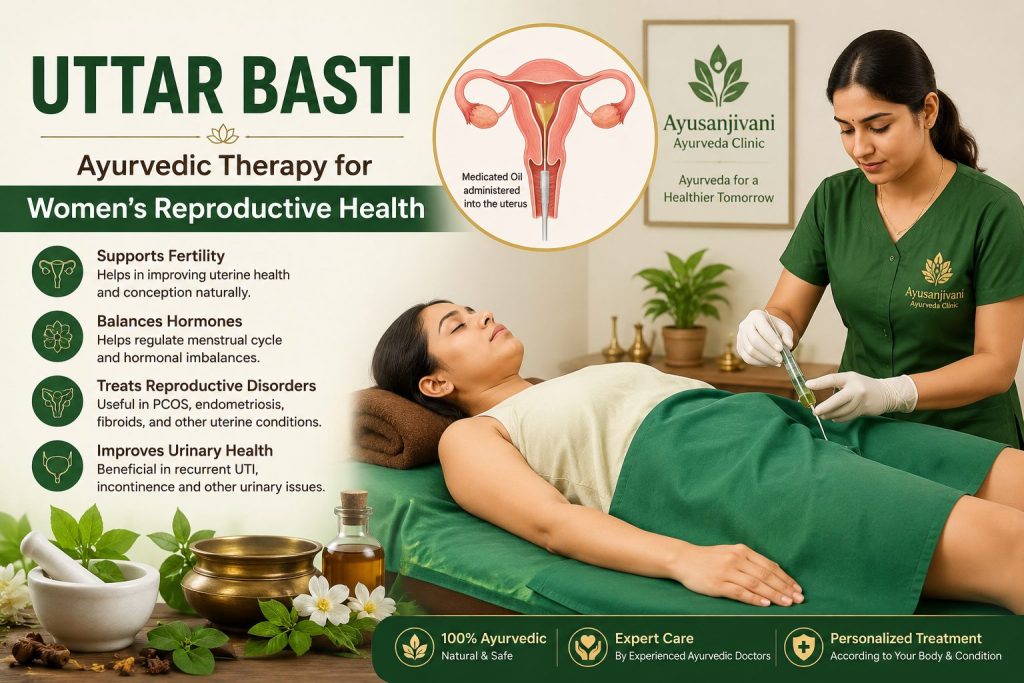
Uttarbasti is one of the specialized Ayurvedic procedures used mainly for managing disorders related to the reproductive and urinary systems. It involves the administration of medicated oils or herbal preparations into the uterus, cervix, urinary bladder, or urethra under strict medical supervision. The treatment is commonly recommended in conditions such as infertility, PCOS, menstrual disorders, endometrial issues, recurrent urinary problems, and certain male reproductive disorders.in this blog we will discuss in detail about uttarbasti side effects in detail .
While Uttar Basti has been described in classical Ayurvedic texts and is widely practiced by qualified Ayurvedic physicians, many patients are concerned about its safety and possible side effects. Understanding the potential risks, expected reactions, and preventive measures can help patients make informed decisions.
Is Uttarbasti Safe? Uttarbasti Side Effects
When performed by a qualified Ayurvedic doctor using proper sterilization techniques and appropriate patient selection, Uttar Basti is generally considered a safe procedure. However, like any medical intervention, it may be associated with certain side effects or complications, particularly if performed incorrectly or without proper assessment.
Most side effects are mild and temporary, but awareness is important for ensuring patient safety.
Common Temporary Side Effects of Uttarbasti :
1. Mild Lower Abdominal Pain :
Some patients may experience mild cramping or discomfort in the lower abdomen after the procedure. This usually occurs because the reproductive organs and surrounding tissues respond to the administration of medicated oils or herbal preparations.
The discomfort is generally temporary and subsides within a few hours to a day.
2. Slight Spotting or Vaginal Discharge :
Women undergoing Uttar Basti may notice mild spotting or an increase in vaginal discharge after treatment. This reaction is often temporary and may occur due to manipulation of the cervix or the body’s response to the medication.
However, heavy bleeding should never be considered normal and requires immediate medical attention.
3. Mild Burning Sensation :
A slight burning sensation during or shortly after the procedure can occasionally occur. This is usually temporary and may depend on the individual’s sensitivity and the type of medicated preparation used.
Persistent or severe burning should be reported to the treating physician.
4. Temporary Heaviness in the Pelvic Region :
Some patients describe a feeling of heaviness or fullness in the pelvic area following treatment. This sensation usually resolves spontaneously within a short period.
5. Increased Urination :
In cases where Uttar Basti is administered for urinary disorders, patients may temporarily experience increased frequency of urination. This is generally not a cause for concern unless accompanied by pain, fever, or other unusual symptoms.
Potential Risks and Complications Uttarbasti Side Effects :
Although uncommon when performed correctly, certain complications may occur.
1. Infection :
Infection is one of the most important risks associated with Uttar Basti if proper sterilization protocols are not followed. Introducing any instrument or medication into the reproductive or urinary tract requires strict aseptic precautions.
Signs of infection may include:
- Fever
- Severe pelvic pain
- Foul-smelling discharge
- Burning urination
- Abnormal bleeding
Immediate medical consultation is necessary if these symptoms develop.
2. Allergic Reactions :
Some individuals may be sensitive to specific herbal ingredients, oils, or medicines used during the procedure.
Symptoms may include:
- Itching
- Skin rash
- Swelling
- Local irritation
Patients should always inform their physician about any known allergies before treatment.
3. Excessive Bleeding :
Although mild spotting can occur, excessive bleeding is not considered normal. This may happen due to underlying gynecological conditions, procedural trauma, or improper technique.
Prompt medical evaluation is recommended if heavy bleeding occurs.
4. Worsening of Existing Infections :
Patients with active pelvic inflammatory disease ( PID ), urinary tract infections, sexually transmitted infections, or acute genital infections may experience worsening symptoms if Uttar Basti is performed during the active phase of infection.
Therefore, proper patient screening before treatment is essential.
Who Should Avoid Uttar Basti?
Uttar Basti may not be suitable in certain situations, including:
- Pregnancy
- Active pelvic infections
- Severe vaginal infections
- Active urinary tract infections
- Unexplained vaginal bleeding
- Certain uterine abnormalities
- Acute fever or systemic infections
A detailed clinical examination is necessary before deciding whether the procedure is appropriate.
How to Reduce the Risk of Side Effects of uttarbasti :
Choose a Qualified Ayurvedic Physician
The most important factor affecting safety is the expertise of the treating doctor. Uttar Basti should only be performed by trained Ayurvedic professionals experienced in Panchakarma and gynecological procedures.
Maintain Proper Sterility
The procedure must be conducted using sterilized instruments and hygienic conditions to minimize infection risk.
Follow Pre-Procedure Instructions
Your physician may advise dietary modifications, bowel preparation, or timing of treatment according to the menstrual cycle. Following these instructions can improve both safety and effectiveness.
Follow Post-Procedure Care
Patients are often advised to:
- Avoid strenuous exercise
- Maintain genital hygiene
- Follow prescribed dietary recommendations
- Take medicines as directed
- Attend follow-up visits
Proper aftercare helps reduce complications and supports recovery.
When Should You Contact Your Doctor?
Seek medical advice immediately if you experience:
- High fever
- Severe abdominal pain
- Heavy bleeding
- Foul-smelling discharge
- Persistent burning sensation
- Difficulty passing urine
- Severe allergic symptoms
Early intervention can prevent complications and ensure safe recovery.
Ayurvedic Perspective on Uttar Basti Safety :
According to Ayurveda, Uttar Basti is considered a highly specialized therapy and should only be performed after proper assessment of the patient’s Prakriti (constitution), Dosha imbalance, disease stage, strength, and reproductive health status. Classical texts emphasize careful patient selection and proper procedural techniques to achieve optimal outcomes while minimizing adverse effects.
When these principles are followed, Uttar Basti may become an important component of comprehensive Ayurvedic management for selected reproductive and urinary disorders.
Conclusion :
Uttar Basti is a specialized Ayurvedic procedure used for various gynecological, infertility, and urinary conditions. Most patients tolerate the treatment well, and common side effects are usually mild and temporary. However, like any medical procedure, it carries potential risks, particularly if performed without proper evaluation or sterile precautions.
Consulting a qualified Ayurvedic physician, following recommended guidelines, and reporting unusual symptoms promptly can help ensure a safer treatment experience. Patients should always discuss the benefits, risks, and suitability of Uttar Basti with their healthcare provider before undergoing the procedure.
FAQ :
Is Uttar Basti safe?
Uttar Basti is generally safe when performed by a qualified Ayurvedic physician using proper sterilization and patient selection protocols.for more details on uttar basti kindly read article below
What are the common side effects of Uttar Basti?
Mild abdominal pain, temporary spotting, pelvic heaviness, and increased vaginal discharge are among the commonly reported temporary side effects.
Can Uttar Basti cause infection?
Infections are uncommon but may occur if sterile precautions are not followed. Patients should choose experienced practitioners and reputable clinics.
How long do Uttar Basti side effects last?
Most mild symptoms resolve within a few hours to two days after the procedure.
Who should avoid Uttar Basti?
Pregnant women, patients with active pelvic infections, severe urinary infections, unexplained vaginal bleeding, or acute fever should avoid Uttar Basti unless advised otherwise by their physician.
Can Uttar Basti help infertility?
Uttar Basti is commonly used in Ayurveda as part of a comprehensive infertility management approach, depending on the individual’s condition.
Is Uttar Basti painful?
Most patients experience minimal discomfort. Mild cramping or temporary pelvic heaviness may occur after the procedure.
What precautions should be taken after Uttar Basti?
Patients are generally advised to rest, maintain hygiene, avoid strenuous activities, and follow their physician’s dietary and lifestyle recommendations.
Disclaimer :
This article is intended for educational purposes only and should not be considered medical advice. Uttar Basti should only be performed by qualified Ayurvedic practitioners after appropriate clinical evaluation. Individual outcomes and experiences may vary. Always consult your healthcare provider before starting any treatment.