
Jalaukavacharana (Leech Therapy) in Pune – Ayurvedic Blood Purification Treatment
At Dr. Phalle's Ayusanjivani Ayurveda Centre, we offer Jalaukavacharana — the classical Ayurvedic leech therapy that gently removes vitiated, Pitta-laden blood from a localised area, helping manage arthritis, gout (Vatarakta), varicose veins, chronic skin disease, and non-healing wounds naturally.
Ayurvedic Blood Purification
What is Jalaukavacharana (Leech Therapy)?
Jalaukavacharana is the classical Ayurvedic practice of applying live, medicinal leeches (Jalauka) to a specific site on the body to draw out vitiated, Pitta-laden blood. The word comes from "Jala" (water) and "Ayu" (life) — a leech is so named because water is its life. It is one of the oldest and most extensively documented surgical procedures in Ayurveda, with Acharya Sushruta devoting an entire chapter — the Jalaukavacharaniya Adhyaya — to it in the Sushruta Samhita.
Jalaukavacharana is a specialised, Ashastra (non-instrumental) method of Raktamokshana — bloodletting — one of the five classical Shodhana (purification) therapies of Panchakarma, alongside Vamana, Virechana, Basti, and Nasya. Acharya Sushruta considered Rakta (blood) the fourth Dosha, and taught that removing impure, Pitta-vitiated blood from a localised site treats the very root of many disorders rather than merely suppressing their symptoms. Because it is gentle, virtually painless, and does not require sharp instruments, classical texts describe leech application as the most delicate ("Parama Sukumara") method of bloodletting — specifically recommended for kings, children, the elderly, women, and those with a delicate constitution.
If you are searching for leech therapy in Pune or an experienced Ayurvedic doctor in Wagholi or Kharadi, our team at Dr. Phalle's Ayusanjivani Ayurveda Centre performs Jalaukavacharana using only certified, medicinal Nirvisha (non-poisonous) leeches under strict clinical hygiene — as part of a broader Raktamokshana and Panchakarma protocol tailored to your condition.
Book a Leech Therapy Consultation →
Why Choose Us
Why Choose Ayusanjivani for Leech Therapy in Pune?
Whether you're looking for an Ayurvedic clinic in Wagholi or an Ayurvedic doctor in Kharadi, we provide authentic Jalaukavacharana using certified medicinal leeches, sterile protocols, and classical Sushruta-based technique.
Shalya & Raktamokshana Expertise
Every session at our Panchakarma centre in Pune follows classical Purva Karma, Pradhan Karma, and Paschat Karma protocol as described in the Sushruta Samhita, under expert supervision.
Certified Medicinal Leeches Only
We use only sourced, certified Nirvisha (non-poisonous) medicinal leeches such as Hirudo species, never wild or unidentified varieties, for complete patient safety.
Wagholi & Kharadi Locations
With clinics in Wagholi and Kharadi, Dr. Phalle's Ayusanjivani Ayurveda Centre makes authentic Jalaukavacharana therapy easily accessible across East Pune.
🩸 Consult an Ayurvedic Raktamokshana Specialist Today
Get a personalised Jalaukavacharana treatment plan from Dr. Phalle's experienced Panchakarma specialists.
Types of Jalauka
Jalaukavacharana & the 12 Classical Varieties of Leeches
Acharya Sushruta classified medicinal leeches into two broad groups — Savisha (poisonous, never used therapeutically) and Nirvisha (non-poisonous, safe for treatment) — each further divided into six named varieties. Our doctors use only identified Nirvisha leeches.
Mineral-like colour, extremely motile. Considered one of the safest and most commonly recommended varieties for clinical use.
Scarlet-coloured with a circular body shape; a gentle, effective variety used across many Pitta-dominant conditions.
Liver-coloured with rapid, efficient blood consumption. This is the variety most widely used in modern clinical practice.
Named for its rat-like colour and odour; a recognised non-poisonous type described in classical texts.
Named for its lotus-like facial appearance ("Pundarika" = lotus); used in select therapeutic applications.
Described as roughly eighteen Angula (finger-widths) long with a lotus-like form; a larger-bodied therapeutic variety.
Dark-coloured with a long head; classified as poisonous and excluded from all therapeutic use.
Patterned like a Rohita fish with spiral markings along the body; a Savisha variety avoided in treatment.
Furry-textured with a lobulated body; classified among the poisonous varieties described by Sushruta.
Rainbow-coloured and particoloured; its bite is described in classical texts as the most severe, even Asadya (incurable) in some cases.
Black-and-yellow, dotted appearance; a poisonous coastal/marine-associated variety.
Resembling the scrotum of an ox in appearance; classified as Savisha and never used clinically.
Classical texts note that Savisha and Nirvisha leeches also differ in habitat — Nirvisha leeches breed in clean freshwater, while Savisha varieties come from contaminated water bodies. At Dr. Phalle's Ayusanjivani Ayurveda Centre, only identified, certified, medicinal (Nirvisha-type) leeches sourced from controlled breeding are ever used — wild or unidentified leeches are never applied to a patient.
The Ayurvedic Perspective
How Ayurveda Understands Rakta & Pitta Vitiation
Rakta as the Fourth Dosha
Acharya Sushruta uniquely regarded Rakta (blood) as a fourth Dosha alongside Vata, Pitta, and Kapha, given its central role in nourishing every tissue of the body. Rakta and Pitta share a close relationship in Ayurveda, described as Ashraya-Ashrayi Bhava (a mutual container-and-contained relationship) — when Pitta is aggravated, it vitiates the blood, and vitiated blood in turn keeps Pitta inflamed. This cycle is considered the root of most Raktaja and Pittaja disorders: inflammatory joint disease, skin conditions, burning sensations, and chronic non-healing wounds.
Because leeches are inherently Sheeta (cooling) and Madhura (sweet) in quality — qualities directly opposite to hot, sharp Pitta — their application is considered ideally suited to pacify Pitta-dominant blood disorders. As the leech draws out the topmost, most vitiated layer of blood from the affected site, it interrupts this Rakta-Pitta cycle at a local level, offering relief that is often felt within the very same session.
Modern research has begun to validate this classical understanding: leech saliva contains over a hundred distinct bioactive compounds, including hirudin (an anticoagulant), calin, and various anti-inflammatory, analgesic, and antimicrobial substances — explaining the rapid pain relief, reduced swelling, and improved local circulation patients commonly report.
Modern Research
What Modern Science Says About Leech Therapy
Classical Ayurvedic understanding of Jalaukavacharana is increasingly supported by modern pharmacological and clinical research into leech saliva and its effects.
🧪 Over 100 Bioactive Compounds
Research has identified more than a hundred distinct proteins and peptides in leech saliva. The best studied, hirudin, is a powerful natural anticoagulant that prevents blood from clotting at the bite site, allowing sustained, gentle bleeding that helps relieve local congestion.
💊 Calin & Anti-Platelet Factors
Calin and related anti-platelet aggregation factors in the saliva further support the anticoagulant effect, while a natural, mild local anaesthetic explains why most patients feel little to no pain during application.
🔬 Anti-Inflammatory & Antimicrobial Action
Additional compounds in leech saliva show measurable anti-inflammatory, antimicrobial, and thrombolytic (clot-dissolving) properties — helping explain the reduced swelling, redness, and pain patients typically report after a session.
🩹 Recognised Beyond Ayurveda
Leech application (medical hirudotherapy) is also used internationally in reconstructive and microsurgery to relieve venous congestion in reattached tissue — an interesting convergence between a therapy first documented in the Sushruta Samhita and contemporary surgical practice.
The Procedure
How Jalaukavacharana is Performed
A structured, three-phase classical process performed under expert supervision — here's what to expect during a leech therapy session at Dr. Phalle's Ayusanjivani Ayurveda Centre.
Our Ayurvedic doctor examines the affected site, reviews your health history, and confirms you are a suitable candidate for Jalaukavacharana.
The affected area is gently oiled and fomented, then rubbed to improve local circulation and make the site more receptive to the leech.
A healthy, active, certified medicinal leech is selected and the treatment site is cleaned thoroughly with warm water.
The leech is placed on the prepared site and covered lightly with a damp cloth; it typically attaches on its own within a few minutes.
The leech draws out vitiated blood over 30–60 minutes while our team monitors the site closely for a safe, controlled session.
The leech is allowed to detach naturally once it has fed sufficiently — it is never forcibly pulled off, to avoid regurgitation.
The bite site is cleaned, treated to control minor residual bleeding, and dressed under sterile conditions.
Our doctors give specific aftercare instructions and advise on the number of follow-up sessions needed for your condition.
Conditions Treated
Jalaukavacharana is Specifically Indicated For
Leech therapy is recommended for the following Pitta-Rakta dominant conditions, as assessed by our Ayurvedic doctors at Dr. Phalle's Ayusanjivani Ayurveda Centre in Pune.
One of the most classical indications — leech therapy directly addresses joint inflammation caused by Vatarakta.
Reduces localised swelling, stiffness, and pain in arthritic knees and other joints.
Improves circulation and eases pain, heaviness, and swelling associated with varicosity.
Supports nerve-related pain relief when combined with other Panchakarma therapies.
Helps manage chronic, Pitta-dominant skin conditions marked by redness and inflammation.
Draws out localised toxic, vitiated blood contributing to persistent acne and skin eruptions.
Improves circulation and healing in chronic wounds that resist standard treatment.
Used on the scalp in select cases to improve local circulation and support hair regrowth.
Eases pain and stiffness associated with restricted shoulder movement.
A classical indication for localised bloodletting to relieve congestion and pain.
Reduces pressure, redness, and pain in select inflamed, localised swellings.
Supports recovery in select ligament and soft-tissue injuries alongside other therapies.
Looking for leech therapy for arthritis, gout, or varicose veins in Pune? Dr. Phalle's Ayusanjivani Ayurveda Centre offers expert Jalaukavacharana tailored to your specific condition. Our Ayurvedic doctors in Wagholi & Kharadi will assess whether leech therapy — alone or combined with other Panchakarma treatments — is right for you.
🏥 Ready for Authentic Jalaukavacharana Therapy?
Speak to our expert Ayurvedic doctors at Dr. Phalle's Ayusanjivani — Wagholi & Kharadi.
Our Panchakarma Centre in Pune
Benefits of Jalaukavacharana at Our Panchakarma Centre in Pune
Experience the full spectrum of leech therapy benefits under expert Ayurvedic care at Dr. Phalle's Ayusanjivani Ayurveda Centre — Wagholi & Kharadi.
Diet & Lifestyle
Ayurvedic Diet & Lifestyle Guidance Around Leech Therapy
Since Jalaukavacharana targets Pitta-vitiated blood, supporting diet and lifestyle choices help sustain and extend its benefits.
✅ What Helps
🚫 What to Avoid
Jalaukavacharana is often combined with other classical therapies for more complete results — for chronic joint pain, our doctors may pair it with Basti to correct the underlying Vata imbalance, or with a localised Janu Basti for knee conditions — all part of a personalised Panchakarma protocol built around your specific condition.
Safety First
Who Should Avoid Jalaukavacharana?
Leech therapy is safe and gentle, but classical Ayurvedic texts specify clear contraindications, and it should always be performed after proper evaluation by a qualified Ayurvedic physician.
⚠️ Classical Contraindications (as per Sushruta Samhita)
Related Topics
More on Leech Therapy & Ayurvedic Care
Go deeper into the topics that matter most before your Jalaukavacharana session — from common questions to related joint and skin conditions we treat.
Common Questions
Frequently Asked Questions About Jalaukavacharana
Have questions about leech therapy at our Ayurvedic clinic in Pune? Clear answers from our Panchakarma specialists at Dr. Phalle's Ayusanjivani.
Meet Your Doctor
Expert Ayurvedic Care, Led by Dr. Shailesh Phalle
Every Jalaukavacharana treatment plan at Ayusanjivani is personally assessed and supervised by our founding Ayurvedic physician.
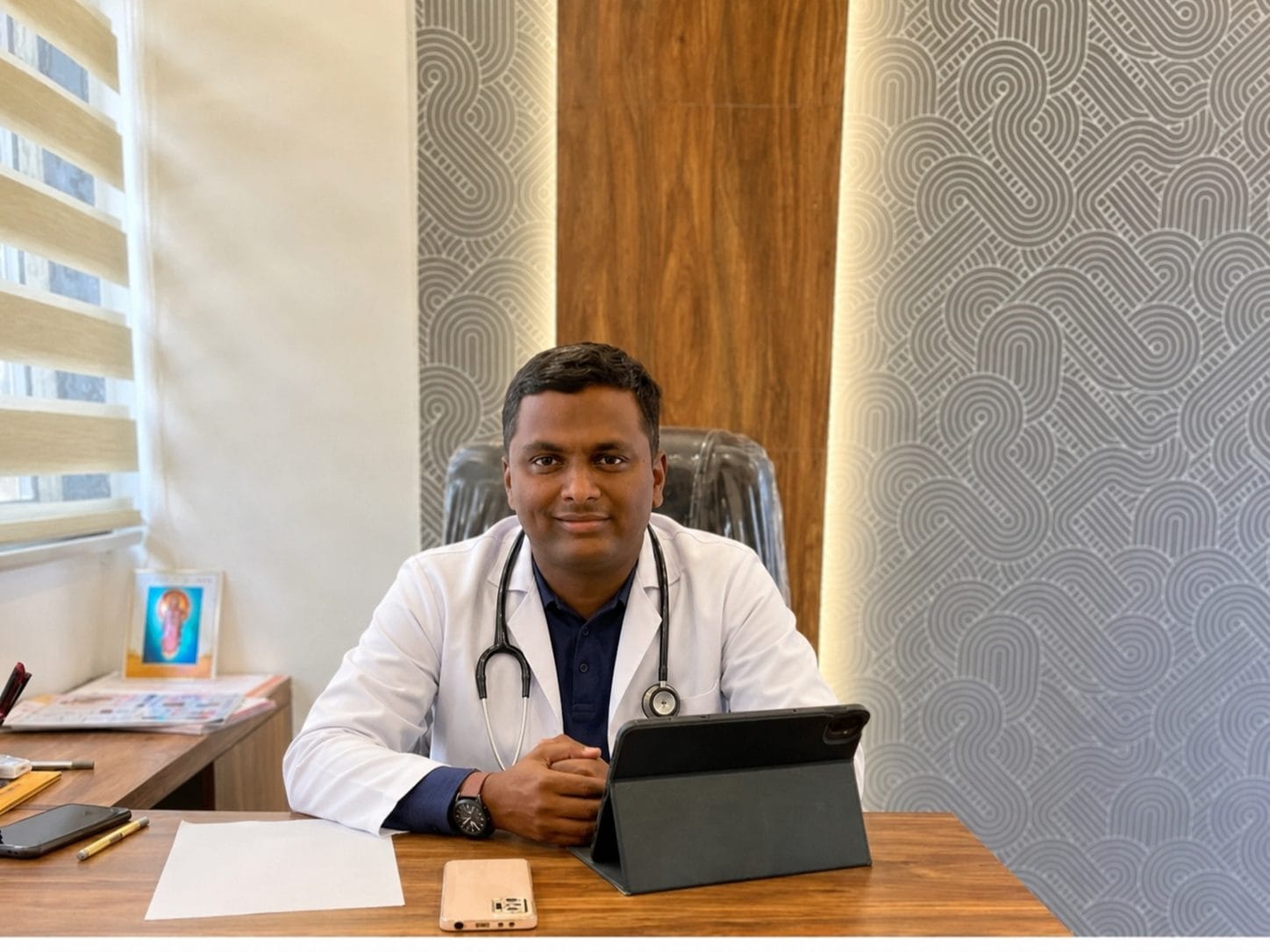
Dr. Shailesh Phalle is the founder of Ayusanjivani Ayurveda Centre and an Ayurvedic MD with over 18 years of clinical experience across Panchakarma, Raktamokshana, and chronic disease management. He has personally supervised thousands of Jalaukavacharana and Panchakarma sessions, combining classical Sushruta-based diagnosis and technique with a modern, hygiene-first clinical approach. His treatment philosophy centres on identifying the precise dosha imbalance behind each patient's condition — including Pitta-Rakta disorders like gout, arthritis, and chronic skin disease — and building a plan around genuine root-cause correction rather than temporary relief. He personally oversees complex cases across the Wagholi and Kharadi clinics.
Book Your Jalaukavacharana Consultation at Ayusanjivani Ayurveda Centre
Consult with Dr. Phalle's expert Ayurvedic practitioners today. We provide authentic leech therapy and complete Raktamokshana treatment in Wagholi and Kharadi, tailored to your individual health needs.