
Shashtik Shali Pinda Sweda Treatment in Pune – Navarakizhi for Joints, Muscles & Nerve Strength
At Dr. Phalle's Ayusanjivani Ayurveda Centre, we offer Shashtik Shali Pinda Sweda (Navarakizhi) — a classical rice-bolus fomentation therapy that nourishes, strengthens, and relieves pain in muscles, joints and nerves, helping manage arthritis, muscular weakness, and post-paralysis recovery naturally.
Ayurvedic Bolus Fomentation
What is Shashtik Shali Pinda Sweda (Navarakizhi)?
Shashtik Shali Pinda Sweda — widely known by its Kerala name Navarakizhi (also spelled Njavarakizhi) — is a classical Ayurvedic fomentation therapy in which warm boluses (potalis) made of a special 60-day medicinal rice called Shashtik Shali or Navara are massaged rhythmically over the body. The rice is first cooked in a decoction of Bala moola (root of Sida cordifolia) and milk until it turns into a thick, semi-solid mass, then tied into cotton potalis and used to perform a synchronised, sweat-inducing massage.
The name itself explains the therapy: Shashtika means "sixty" (the number of days the rice takes to mature), Shali means rice, Pinda means bolus, and Sweda means to induce sweating. Uniquely among Panchakarma fomentation therapies, Navarakizhi performs three actions simultaneously — Snehana (oleation), Swedana (sudation), and Brimhana (nourishment) — making it both a deeply relaxing therapy and a genuine tissue-building treatment, unlike purely heat-based fomentations.
If you are searching for Ayurvedic Navarakizhi treatment in Pune or an experienced Panchakarma clinic in Wagholi or Kharadi, our team at Dr. Phalle's Ayusanjivani Ayurveda Centre performs this therapy using authentic Shashtik rice, fresh Bala moola decoction, and a traditional four-therapist technique — for genuine strengthening results, not a diluted spa-style version.
Book a Navarakizhi Consultation →
Why Choose Us
Why Choose Ayusanjivani for Navarakizhi in Pune?
Whether you're looking for an Ayurvedic clinic in Wagholi or a Panchakarma centre in Kharadi, our team performs Shashtik Shali Pinda Sweda using the authentic four-therapist Kerala technique, not a shortened single-therapist version.
Authentic Navara Rice & Bala Moola
We use genuine Shashtik Shali (Navara) rice cooked fresh in Bala moola decoction and milk for every session — the same classical formulation described in Sushruta and Sharangdhara Samhita.
Doctor-Supervised Protocol
Every Navarakizhi course is preceded by a full assessment of your dosha, condition, and Agni (digestive strength), and supervised by our physician throughout the treatment period.
Wagholi & Kharadi Locations
With clinics in Wagholi and Kharadi, Dr. Phalle's Ayusanjivani Ayurveda Centre makes authentic Shashtik Shali Pinda Sweda easily accessible across East Pune.
🌾 Consult an Ayurvedic Panchakarma Specialist in Pune Today
Get a personalised Navarakizhi treatment plan from Dr. Phalle's experienced Panchakarma specialists.
Types of Pinda Sweda
Shashtik Shali Pinda Sweda & Other Classical Bolus Fomentations
Navarakizhi belongs to a family of classical Pinda Sweda (bolus fomentation) therapies, each using a different bolus material for a different purpose. Our doctors choose the right variant — or a combination — based on your specific condition.
Shashtik Shali Pinda Sweda (Navarakizhi)
Boluses of medicinal Navara rice cooked in milk and Bala moola decoction. The most nourishing of all Pinda Swedas, ideal for muscle wasting, weakness, joint degeneration, and neurological recovery where tissue-building is the priority.
Patra Pinda Sweda (Elakizhi)
Boluses made of fresh medicinal leaves — such as Eranda (castor), Nirgundi, and Vata — sautéed in warm herbal oil. Particularly effective for acute joint swelling, muscular spasm, and Vata-Kapha type pain with inflammation.
Churna Pinda Sweda (Podikizhi)
Boluses filled with a dry powder blend of herbs instead of leaves or rice, offering a rougher, more penetrating fomentation. Well suited to chronic stiffness, sciatica, and deep-seated muscular knots that need firmer pressure.
Jambeera Pinda Sweda
Boluses of lemon pieces combined with medicated powders such as Shatapushpa, Haridra, Devadaru, and Rasna, dipped in warm oil. Especially indicated for rheumatoid arthritis, osteoarthritis, sciatica, and generalised joint stiffness.
Lavana Pinda Sweda (Uppu Kizhi)
Boluses of medicated salt heated and applied over the body, producing a firmer, deeper heat useful for stubborn muscular spasm and localised swelling, particularly around the back and joints.
Baluka Pinda Sweda (Sand Fomentation)
Heated sand tied into boluses and applied over the body — a dry (Ruksha) fomentation used when oil-based therapies are contraindicated, such as in obesity or Kapha-dominant swelling.
Among these, Navarakizhi is unique in being simultaneously nourishing, oil-based, and heat-inducing — which is why it is preferred over other Pinda Sweda variants specifically for muscle wasting, chronic weakness, and neurological rehabilitation, where the goal is to build tissue rather than only relieve stiffness. You can see the complete family of Pinda Sweda and other Panchakarma therapies on our Panchakarma Therapies page.
The Ayurvedic Perspective
How Ayurveda Understands Navarakizhi's Action
Snehana, Swedana & Brimhana Together
Most Ayurvedic conditions affecting muscles, joints, and nerves — arthritis, muscular dystrophy, paralysis, fibromyalgia — arise from aggravated Vata dosha combined with depleted tissue (Dhatu Kshaya). Vata governs all movement and nerve conduction; when it is vitiated by aging, malnourishment, overexertion, or neurological damage, it produces dryness, wasting, pain, and weakness in the affected tissues.
Shashtik Shali Pinda Sweda addresses this directly. The warm milk and Bala moola decoction infused into the rice bolus provide Snehana (oleation) to soften and lubricate dry tissue, the sustained heat provides Swedana (sudation) to open channels (srotas) and mobilise stagnant Vata and Kapha, while the nutrient-dense Shashtik rice itself provides Brimhana (bulk-building nourishment) directly through the skin to the underlying muscle, bone, and nerve tissue.
This three-in-one action is why classical texts specifically recommend Navarakizhi for conditions of wasting and weakness — Khanja and Pangu (paralysis of limbs), Urustambha (stiffness with heaviness of the thighs), and Amavata (rheumatoid-type joint disease) — rather than for simple pain relief alone.
The Procedure
How Shashtik Shali Pinda Sweda is Performed
A precise, multi-attendant classical process — here's what to expect during a Navarakizhi session at Dr. Phalle's Ayusanjivani Ayurveda Centre.
Our Ayurvedic doctor evaluates your condition, Agni, and Vata-Kapha imbalance to determine the treatment duration and any preparatory therapy needed.
Shashtik Shali rice is cooked fresh in Bala moola decoction and milk until semi-solid, then tied into four cotton potalis.
Warm medicated oil is applied over the entire body to prepare the tissues and improve the penetration of the subsequent fomentation.
Two to four therapists apply the warm potalis in rhythmic, circular strokes on both sides of the body simultaneously, moving from the neck to the lower back and hips to feet.
As each potali cools, it is re-dipped in the warm milk-decoction mixture and reapplied, maintaining a consistent, tolerable temperature throughout the session.
Once the session concludes, residual rice paste is gently scraped off the skin and the body is cleaned before rest.
Patients are advised to rest before a warm (never cold) shower, and our doctors provide diet and activity guidance to sustain the treatment's benefits.
Conditions Treated
Shashtik Shali Pinda Sweda is Specifically Indicated For
Navarakizhi is recommended for the following conditions, as assessed by our Ayurvedic doctors at Dr. Phalle's Ayusanjivani Ayurveda Centre in Pune.
Nourishes and lubricates degenerating joint cartilage while easing stiffness.
Reduces joint pain, swelling, and morning stiffness in inflammatory arthritis.
Supports muscle strengthening and slows progression of muscle wasting.
Aids recovery of muscle tone, strength, and mobility after paralysis or stroke.
Eases widespread muscular pain, tenderness, and fatigue.
Supports nerve and muscle recovery as part of a broader rehabilitation plan.
Rebuilds strength in atrophied or chronically weak muscle groups.
A strengthening, energising therapy for general debility and fatigue.
Looking for Ayurvedic Navarakizhi treatment in Pune? Dr. Phalle's Ayusanjivani Ayurveda Centre offers expert Shashtik Shali Pinda Sweda tailored to your specific condition. Our doctors in Wagholi & Kharadi will assess your dosha imbalance and recommend the right course length and complementary therapies for safe, lasting results.
🏥 Ready for Authentic Shashtik Shali Pinda Sweda?
Speak to our expert Ayurvedic doctors at Dr. Phalle's Ayusanjivani — Wagholi & Kharadi.
Our Panchakarma Centre in Pune
Benefits of Navarakizhi at Our Panchakarma Centre in Pune
Experience the full spectrum of Shashtik Shali Pinda Sweda benefits under expert Ayurvedic care at Dr. Phalle's Ayusanjivani Ayurveda Centre — Wagholi & Kharadi.
Diet & Lifestyle
Ayurvedic Diet & Lifestyle Guidance During Navarakizhi
Since Navarakizhi is a Brimhana (nourishing) therapy aimed at rebuilding tissue, diet and daily routine during the course strongly influence how well the body absorbs its benefits.
✅ What Helps
🚫 What to Avoid
Navarakizhi is often combined with other classical therapies for a more complete outcome — a preparatory Abhyanga oil massage, a supervised Basti course to correct the deeper Vata imbalance, or localised Janu Basti for isolated knee-joint pain — all built into a personalised Panchakarma protocol around your specific condition.
Safety First
Who Should Be Cautious with Navarakizhi?
Shashtik Shali Pinda Sweda is a warm, oil-based fomentation therapy, and as with any heat-based Panchakarma procedure, it should always be performed after proper evaluation by a qualified Ayurvedic physician.
⚠️ Important Precautions
Related Topics
More on Navarakizhi & Ayurvedic Joint Care
Go deeper into the conditions and therapies most closely linked to Shashtik Shali Pinda Sweda — from arthritis and knee pain to what to expect from Panchakarma at our centre.
Common Questions
Frequently Asked Questions About Navarakizhi
Have questions about Shashtik Shali Pinda Sweda at our Ayurvedic clinic in Pune? Clear answers from our Panchakarma specialists at Dr. Phalle's Ayusanjivani.
Meet Your Doctor
Expert Ayurvedic Care, Led by Dr. Shailesh Phalle
Every Navarakizhi treatment plan at Ayusanjivani is personally assessed and supervised by our founding Ayurvedic physician.
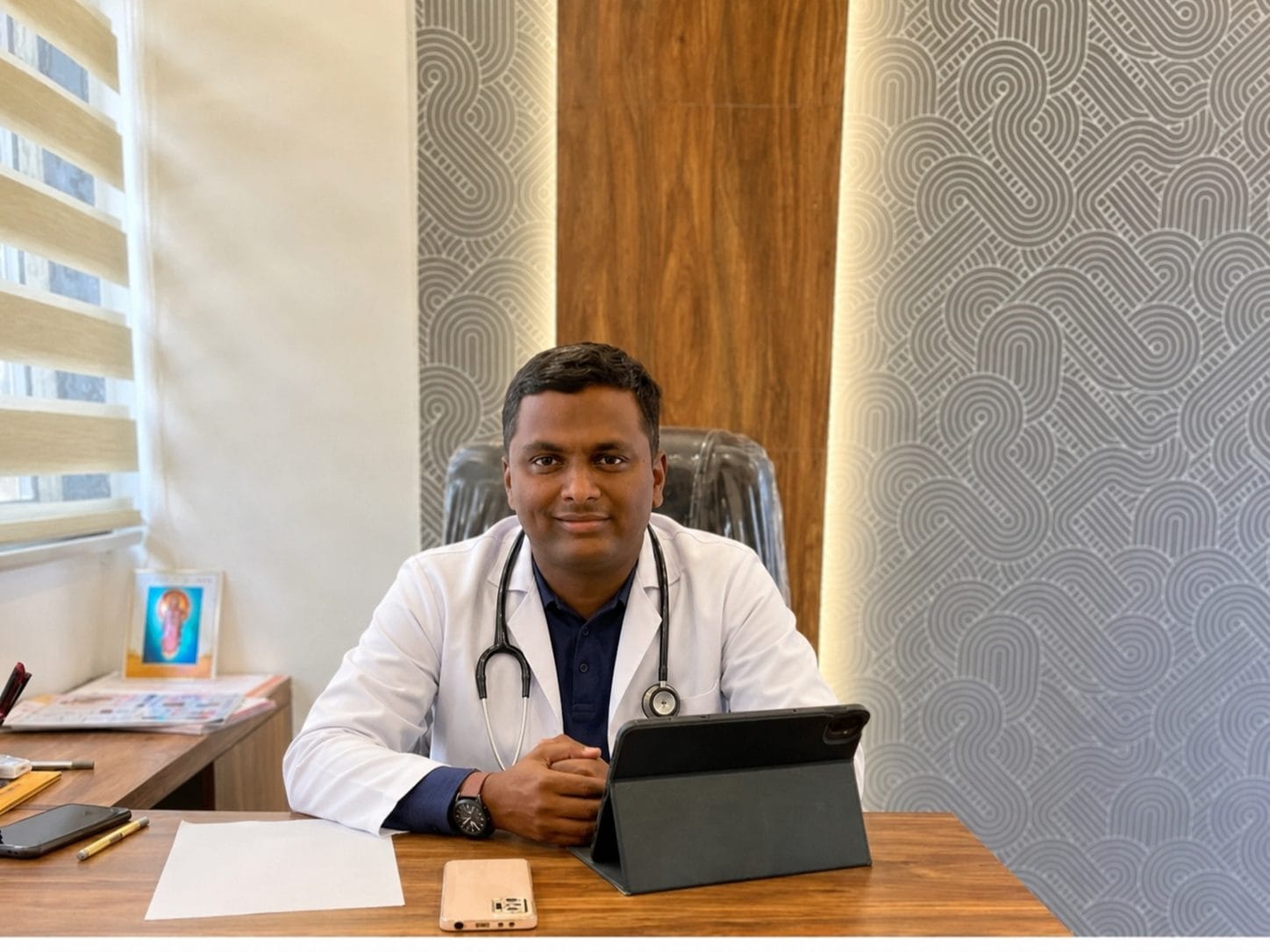
Dr. Shailesh Phalle is the founder of Ayusanjivani Ayurveda Centre and an Ayurvedic MD with over 18 years of clinical experience across Panchakarma, joint and spine disorders, and neurological rehabilitation. He has personally supervised thousands of Pinda Sweda and Panchakarma sessions, combining classical Ayurvedic diagnosis with a modern, hygiene-first clinical approach. His treatment philosophy centres on identifying the precise dosha imbalance behind each patient's condition — whether joint degeneration, muscular weakness, or post-paralysis recovery — and building a plan around genuine tissue-level correction rather than temporary relief. He personally oversees complex cases across the Wagholi and Kharadi clinics.
Book Your Navarakizhi Consultation at Ayusanjivani Ayurveda Centre
Consult with Dr. Phalle's expert Ayurvedic practitioners today. We provide authentic Shashtik Shali Pinda Sweda in Wagholi and Kharadi, tailored to your individual joint, muscle, and nerve health needs.